Navigation:
Index
Splash Page |

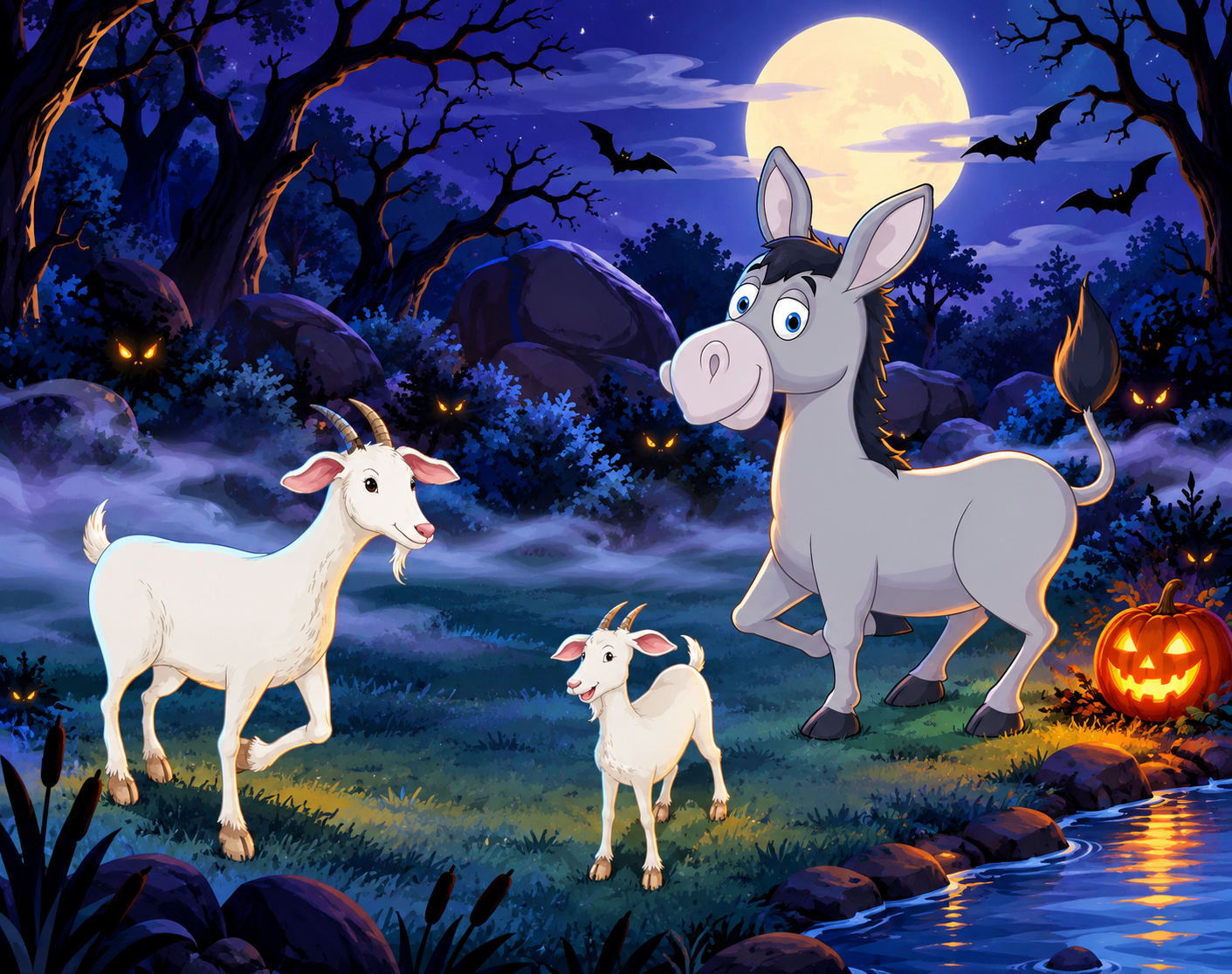
 Two Goats and a Donkey! Two Goats and a Donkey!
On The 6th Day of Halloween
Tuesday, October 6, 2026
Samhain was one of the most important seasonal observances of the ancient Gaelic world, marking the transition from the bright months of summer into the darker season of winter. Celebrated around the beginning of November, it came at a crucial moment in the agricultural year, when harvests had been gathered, livestock returned from summer pastures, and communities prepared for winter. Although many details of ancient Samhain rituals have been lost, medieval Irish literature and later folklore preserve glimpses of customs surrounding this powerful seasonal threshold.
Fire appears prominently in traditions associated with Samhain. Medieval accounts describe important gatherings and fires, particularly at places such as Tlachtga in Ireland. Later traditions associated Samhain fires with protection and the beginning of the winter season. Some accounts describe household fires being extinguished and rekindled, although claims about a single universal Celtic ritual should be treated cautiously because surviving evidence comes from different periods.
Feasting was another important element. Samhain occurred after livestock were brought down from summer grazing lands, and animals that could not be maintained through winter might be slaughtered. Communities therefore had supplies of meat and harvested foods available for communal gatherings. Samhain was a natural occasion for feasting, hospitality, assemblies, and the reaffirmation of social bonds before winter.
The supernatural was also deeply associated with the festival. Medieval Irish tales frequently portray Samhain as a time when the ordinary world and the Otherworld intersected. The Sidhe and other supernatural beings might emerge from ancient mounds or interact with mortals. Later folk customs included leaving portions of food for unseen visitors and avoiding places believed to be inhabited by supernatural beings.
Divination became another characteristic of Samhain tradition. Later Gaelic customs used nuts, apples, fires, and other objects to seek signs concerning marriage, fortune, health, or the coming year. While it is difficult to establish how far every such practice extends into antiquity, they reflect Samhain’s enduring association with uncertainty and the mysterious future.
Ultimately, ancient Samhain was more than a single night of supernatural activity. It marked a profound turning point in the year. Fire, feasting, livestock, communal gathering, storytelling, and encounters with the Otherworld all became associated with its traditions. Samhain stood at the threshold of winter—a moment when one season ended, another began, and the mysterious forces beyond everyday life seemed unusually close.
And the sixth day of Halloween is history!
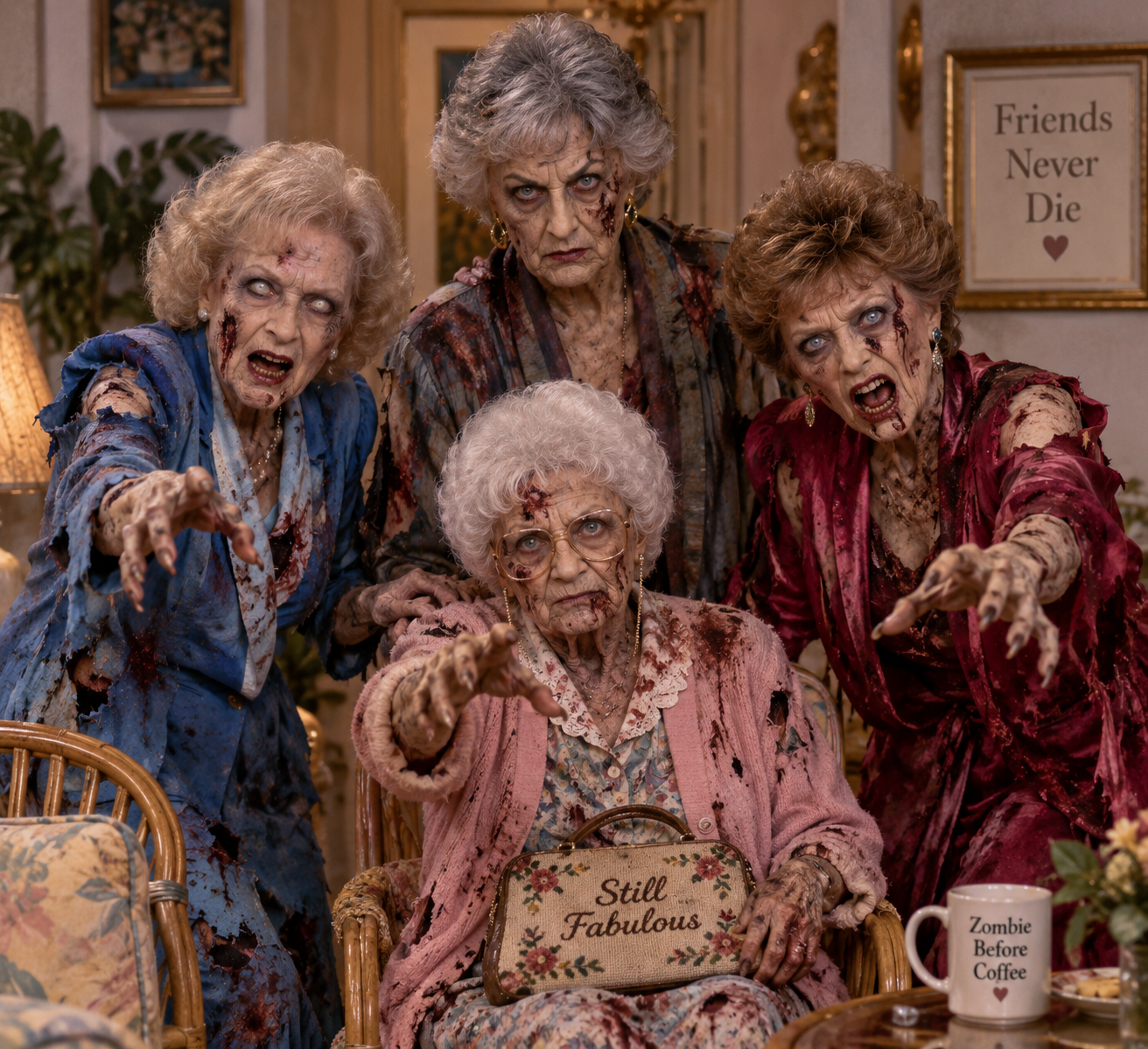
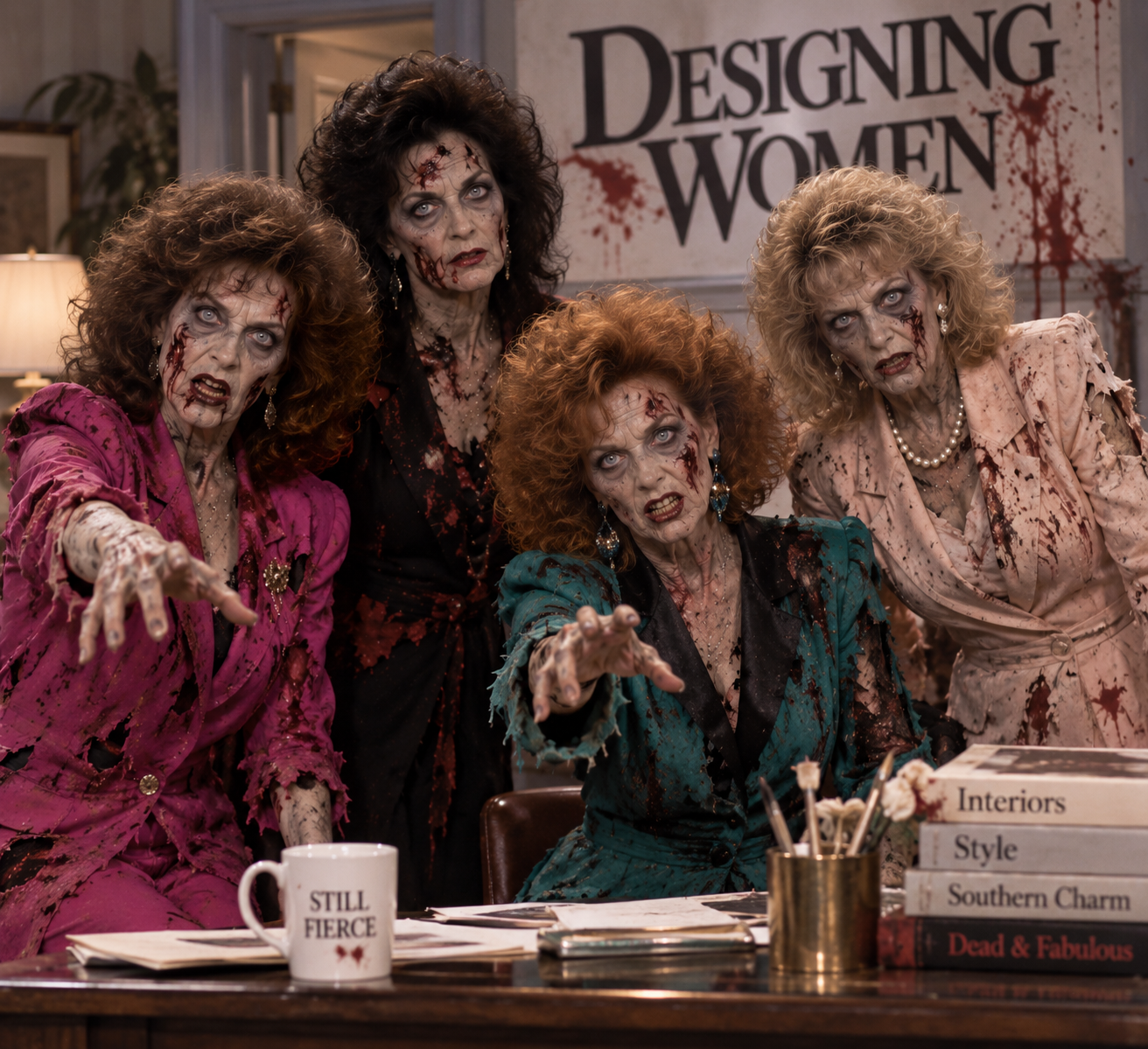
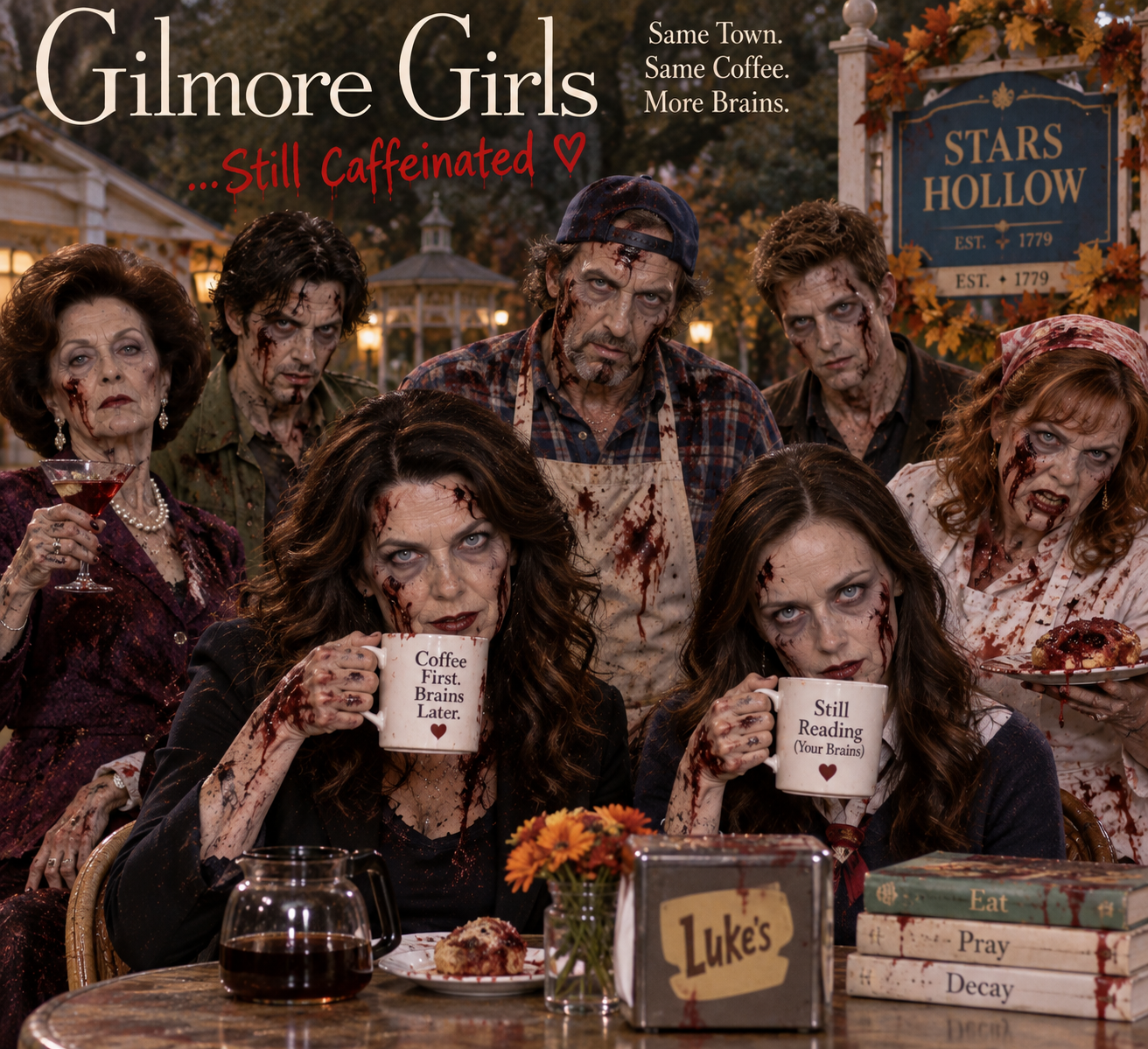
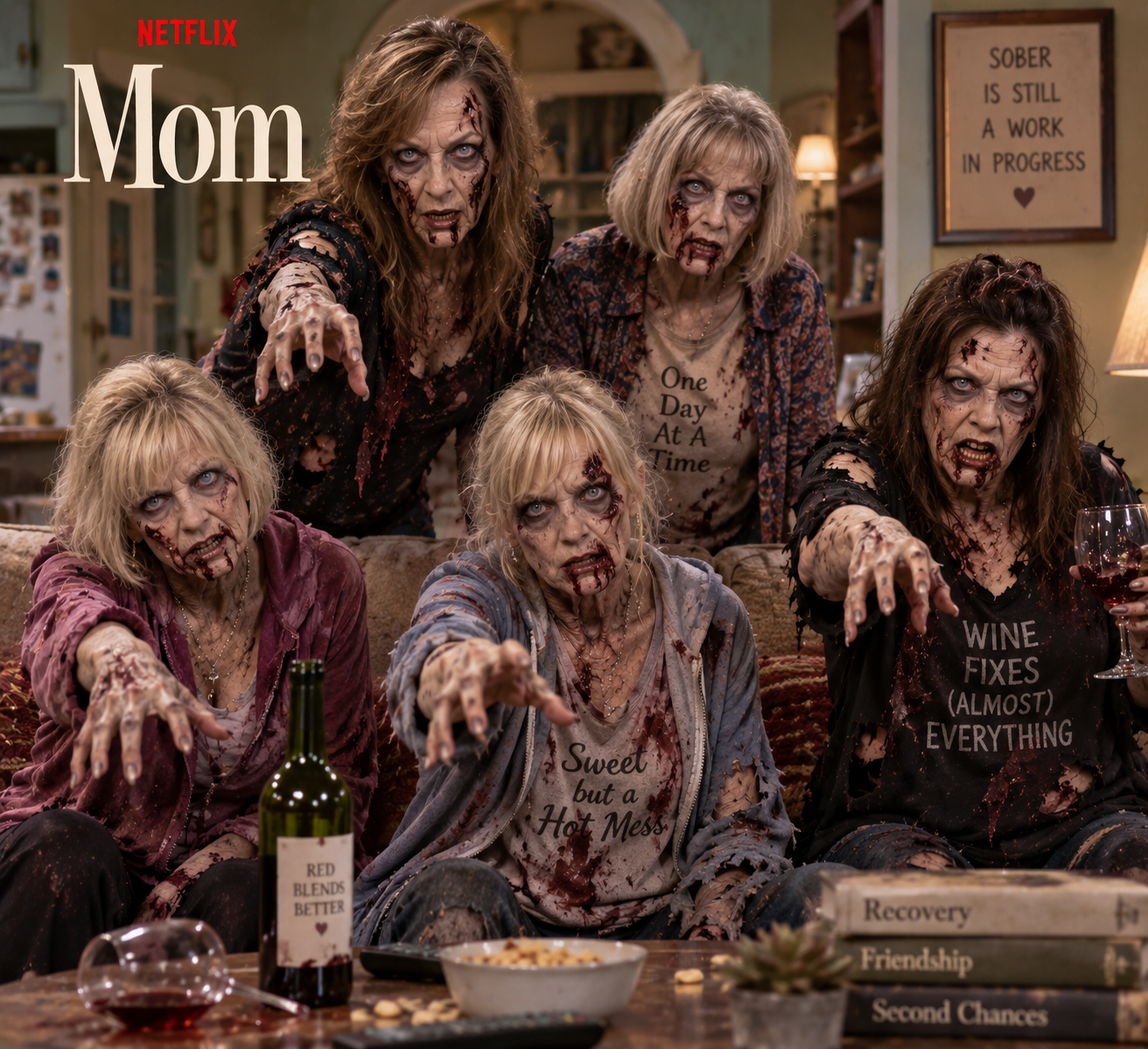
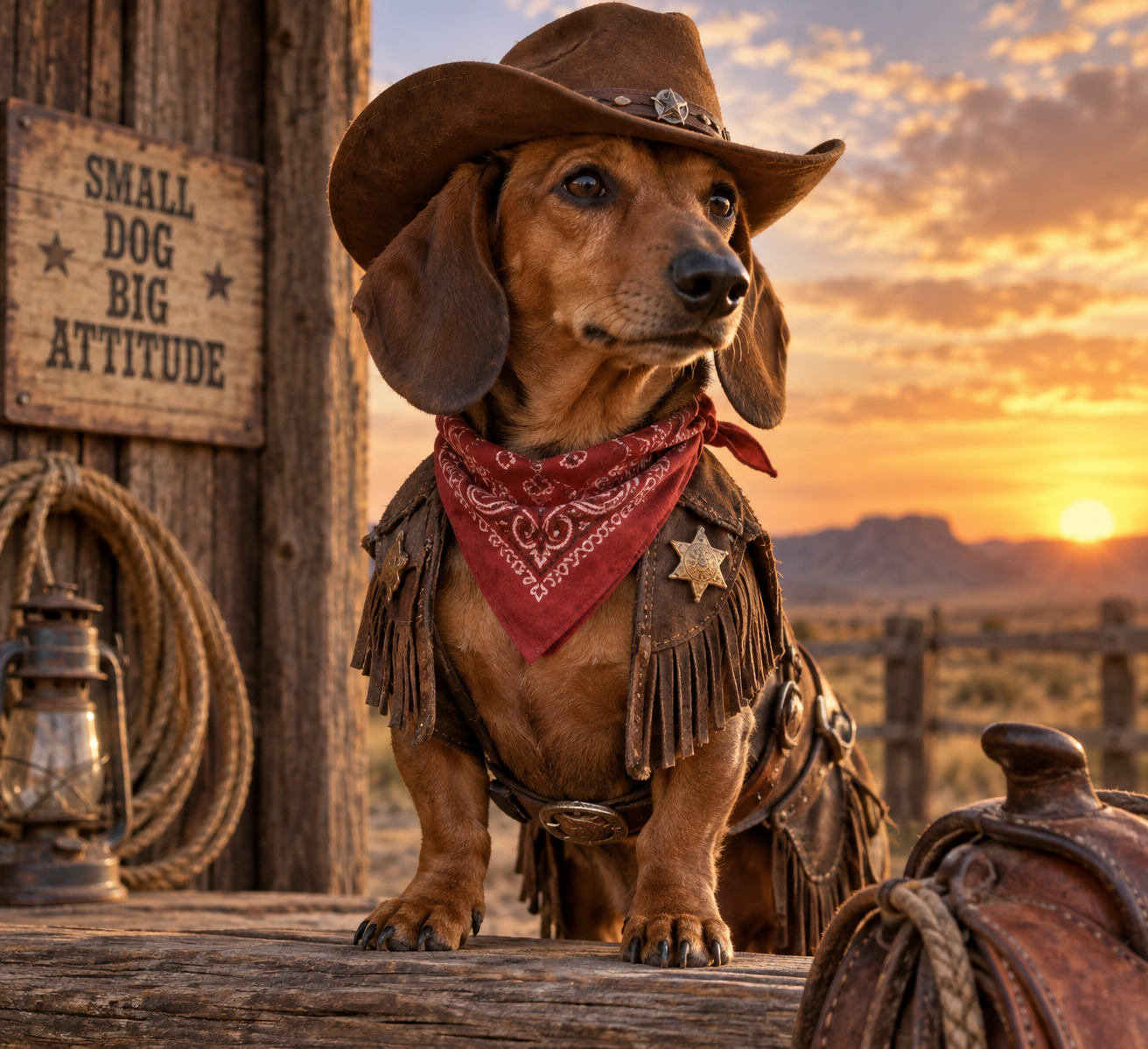
The images below are all AI-generated by me with ChatGPT, Grok, and Google Gemini on my iPhone. Enjoy!

The 31 Days of Halloween! Click on the day number you want! 01 | 02 | 03 | 04 | 05 | 06 | 07 | 08 | 09 | 10 | 11 | 12 | 13 | 14 | 15 | 16 | 17 | 18 | 19 | 20 | 21 | 22 | 23 | 24 | 25 | 26 | 27 | 28 | 29 | 30 | 31
George
|