Navigation:
Index
Splash Page |

 Two Goats and a Donkey! Two Goats and a Donkey!
On The 5th Day of Halloween
Monday, October 5, 2026
Traditional Celtic ideas about time differed in important ways from the modern calendar. Rather than imagining the day as beginning at midnight, ancient Celtic and later Gaelic traditions often reckoned time from evening into the following daylight. In this understanding, darkness preceded light. A festival therefore began on the evening before the date with which it eventually became associated. This pattern survives in the traditional observance of Samhain, which begins on the evening of October 31 and continues into November 1, and in Beltane celebrations beginning on the eve of May Day.
Evidence for this way of measuring time reaches back to classical descriptions of Celtic peoples. Julius Caesar wrote that the Gauls calculated periods of time by nights rather than days and observed birthdays and other beginnings so that night preceded daylight. Later Gaelic customs similarly preserved the importance of festival eves, suggesting a deeply rooted conception of night as the opening portion of a new cycle.
The relationship between Celtic festivals and the Moon, however, is more complicated. The ancient Celts clearly observed lunar cycles, but it would be misleading to say that all four major Gaelic seasonal festivals were determined solely by particular phases of the Moon. The Coligny Calendar, a remarkable Gaulish calendar dating from the Roman period, demonstrates that Celtic timekeeping incorporated lunar months while also attempting to keep those months aligned with the solar year. It was therefore essentially a lunisolar system.
The four great Gaelic seasonal festivals—Samhain, Imbolc, Beltane, and Lughnasadh—were connected primarily with seasonal and agricultural transitions. Samhain marked the approach of winter; Imbolc heralded early spring; Beltane welcomed summer; and Lughnasadh opened the harvest season. In later tradition they became associated with dates near November 1, February 1, May 1, and August 1.
Yet the Moon remained an important natural measure of time. Before mechanical clocks and printed calendars, its changing phases provided an unmistakable rhythm by which communities could recognize the passage of weeks and months. Lunar observation existed alongside awareness of the Sun, changing daylight, agricultural conditions, and the movements of the seasons.
Modern Celtic and Neopagan traditions sometimes celebrate these festivals according to lunar phases, astronomical midpoints, or reconstructed ancient calendars. Such practices can be meaningful, but they should be distinguished from what historical evidence actually demonstrates.
The Celtic conception of time was therefore neither exclusively lunar nor exclusively solar. It reflected the interaction of darkness and daylight, Moon and Sun, agriculture and season. The evening beginning the day and the recurring lunar month expressed a larger idea: time moved through repeating natural cycles. Within that rhythm, the great seasonal festivals became thresholds, marking humanity’s continuing passage through darkness, light, growth, harvest, and renewal.
The fifth day of Halloween has now come to an end!
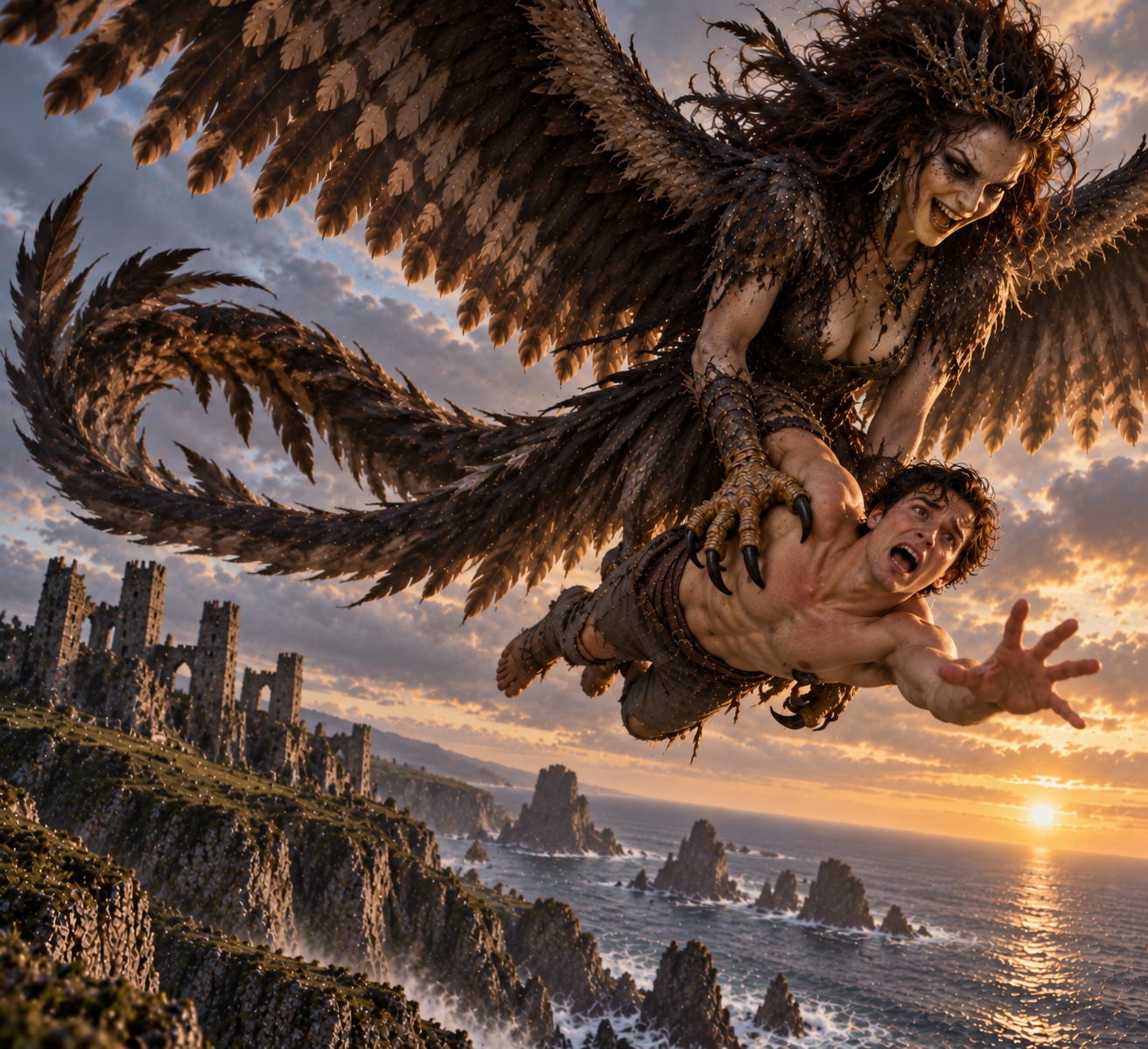
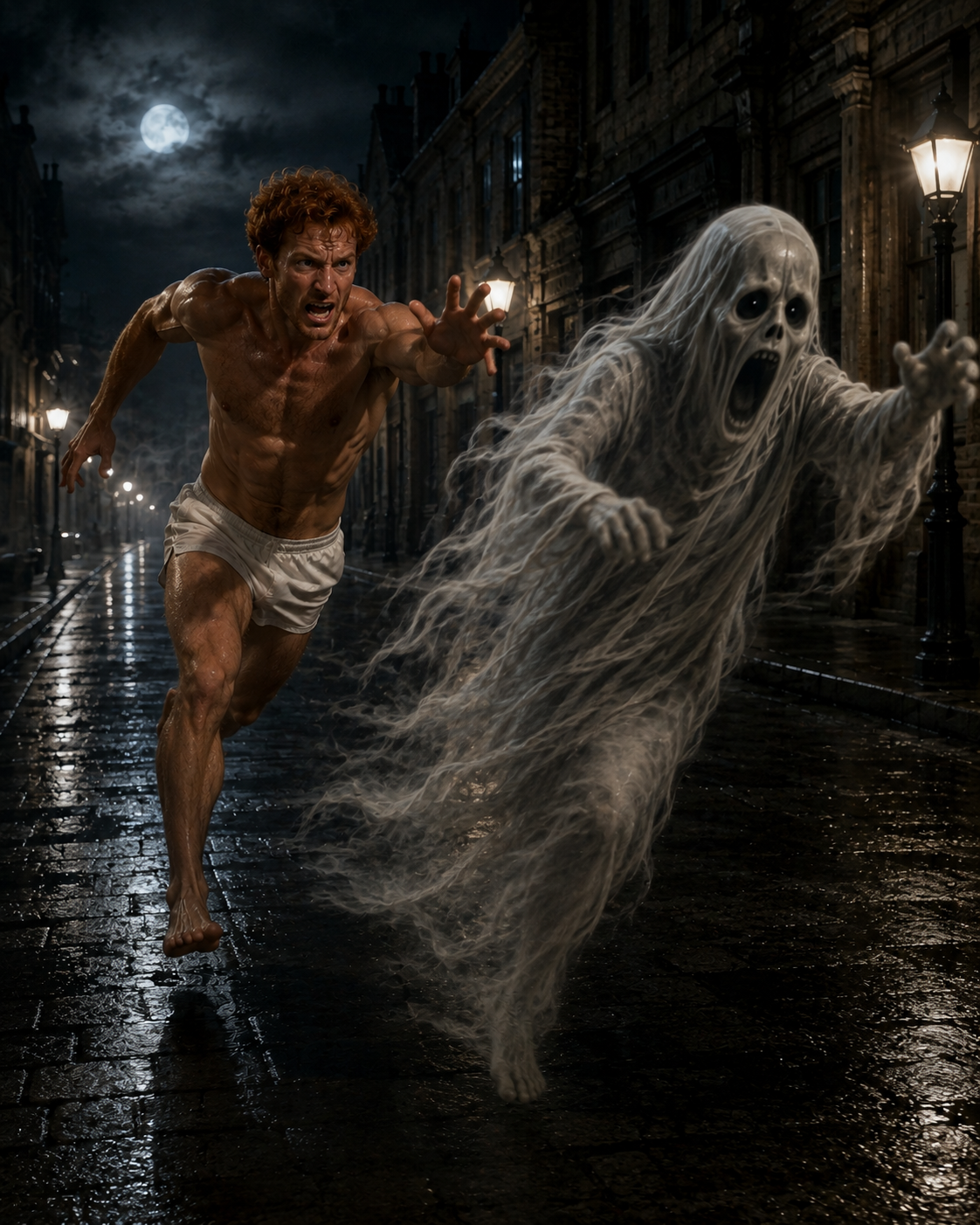
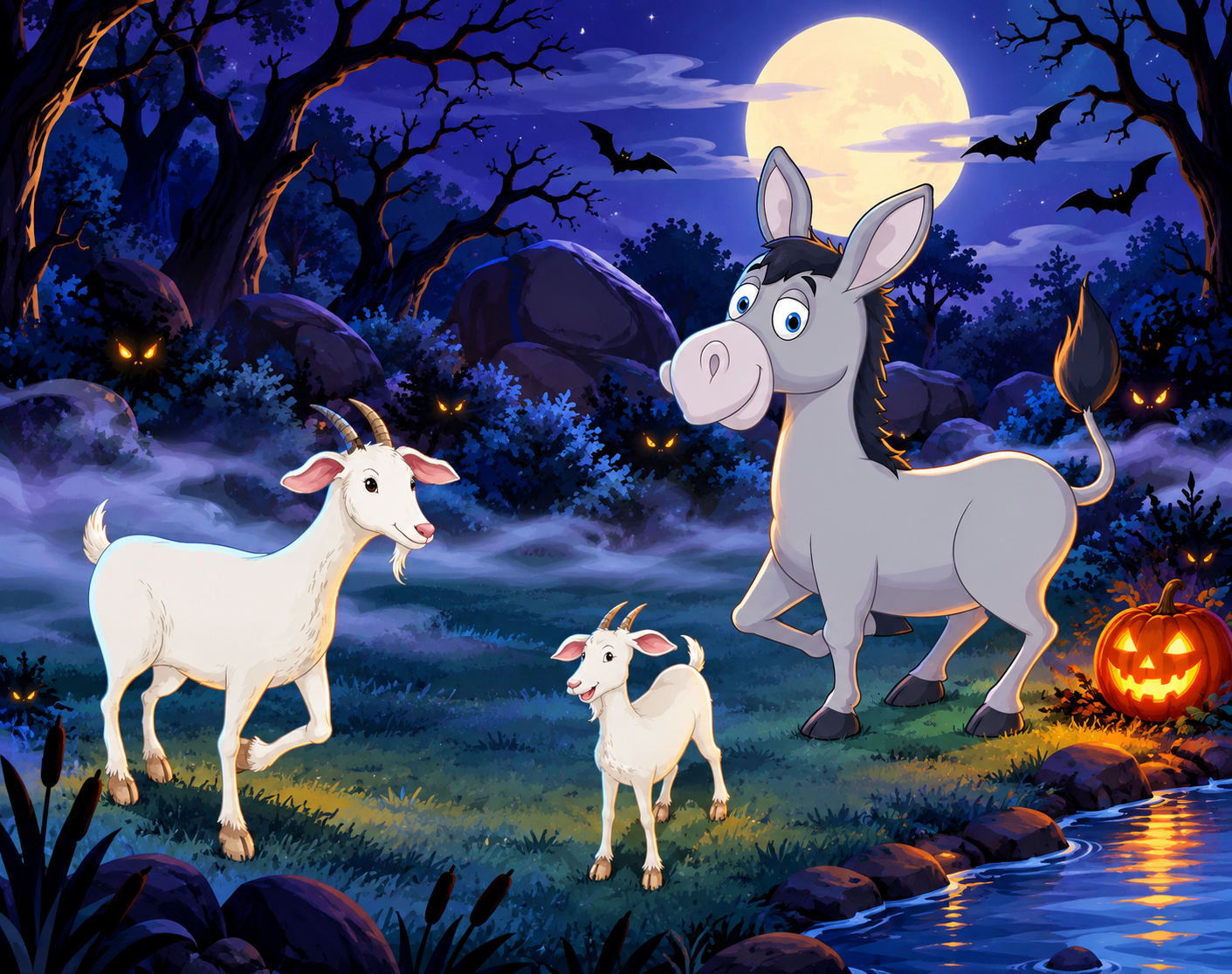
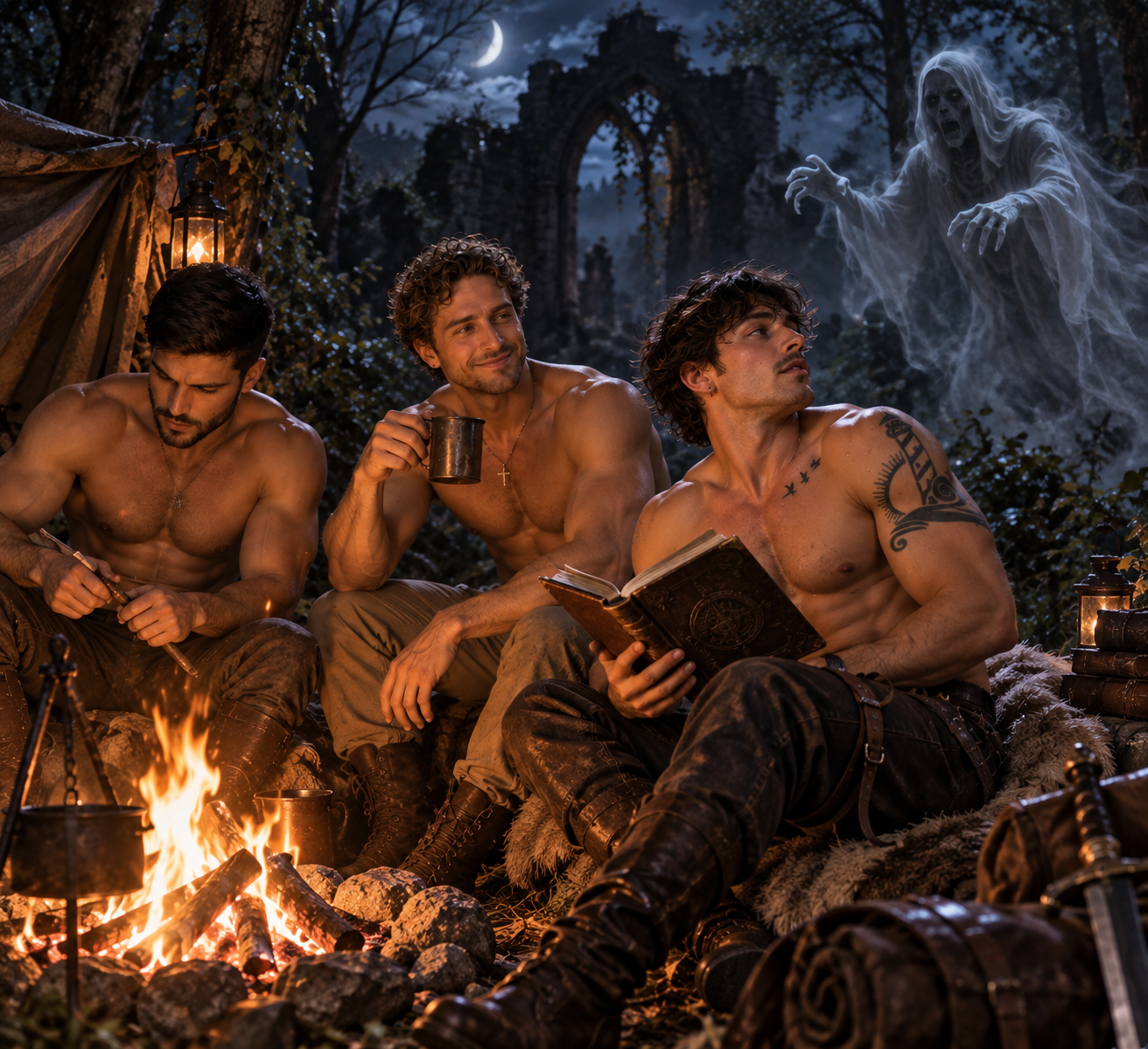
The images below are all AI-generated by me with ChatGPT, Grok, and Google Gemini on my iPhone. Enjoy!

The 31 Days of Halloween! Click on the day number you want! 01 | 02 | 03 | 04 | 05 | 06 | 07 | 08 | 09 | 10 | 11 | 12 | 13 | 14 | 15 | 16 | 17 | 18 | 19 | 20 | 21 | 22 | 23 | 24 | 25 | 26 | 27 | 28 | 29 | 30 | 31
George
|