Navigation:
Index
Splash Page |

 Two Goats and a Donkey! Two Goats and a Donkey!

On The 15th Day of Halloween
Thursday, October 15, 2026
Origins of Thursday
The English word Thursday carries the name of one of the most recognizable gods of Germanic mythology: Thor, the thunder god. When compared with the Gaelic names for Thursday, however, the word reveals a much broader history involving Roman religion, Celtic languages, and the gradual spread of the seven-day week throughout western Europe.
The English Thursday comes from Old English Þunresdæg, meaning “Thunor’s Day.” Thunor was the Anglo-Saxon equivalent of the Norse god Thor, a powerful deity associated with thunder, storms, strength, and the protection of both gods and humanity. His famous weapon was the hammer, known in Norse tradition as Mjölnir. When Germanic peoples adopted the Roman planetary week, Thunor was identified with Jupiter, the Roman god of thunder and the heavens. The Roman name for Thursday was dies Iovis, “day of Jupiter.” Germanic speakers substituted their own thunder god, eventually giving English the word Thursday.
The Gaelic languages preserve the Roman connection more directly. In modern Irish, Thursday is Déardaoin, while Scottish Gaelic has Diardaoin. These forms ultimately developed from an older Gaelic expression connected with the period “between two fasts.” The two fast days were Wednesday and Friday, making Thursday the intervening day. This terminology reflects the profound influence of early Christianity upon the Gaelic calendar.
Yet the association of Thursday with a thunder god also has interesting parallels in the ancient Celtic world. Celtic peoples possessed their own deities connected with thunder, storms, and the sky. Most notable was Taranis, whose name is derived from a Celtic word meaning “thunder.” Roman writers associated Taranis with Jupiter, just as Germanic peoples later associated Thor or Thunor with Jupiter. Archaeological evidence also connects Celtic sky gods with symbols such as the wheel, lightning, and the heavens.
It would therefore be inaccurate to say that Thursday was originally “the day of Taranis” among the Celts. The seven-day planetary week was largely introduced into Celtic regions through Roman and Christian influence, and surviving evidence does not demonstrate that pre-Roman Celts used a weekday named for Taranis.
Nevertheless, Thursday reveals a remarkable cultural parallel. Roman Jupiter, Germanic Thor, and Celtic Taranis all occupied roles associated with thunder and the power of the sky. English Thursday preserves the Germanic tradition, while Irish Déardaoin and Scottish Gaelic Diardaoin reflect the Christian organization of the week. Together, these names preserve layers of pagan religion, Celtic culture, Roman influence, and early Christianity within one ordinary day.
So long, farewell, Auf Wiederseh'n, goodbye!
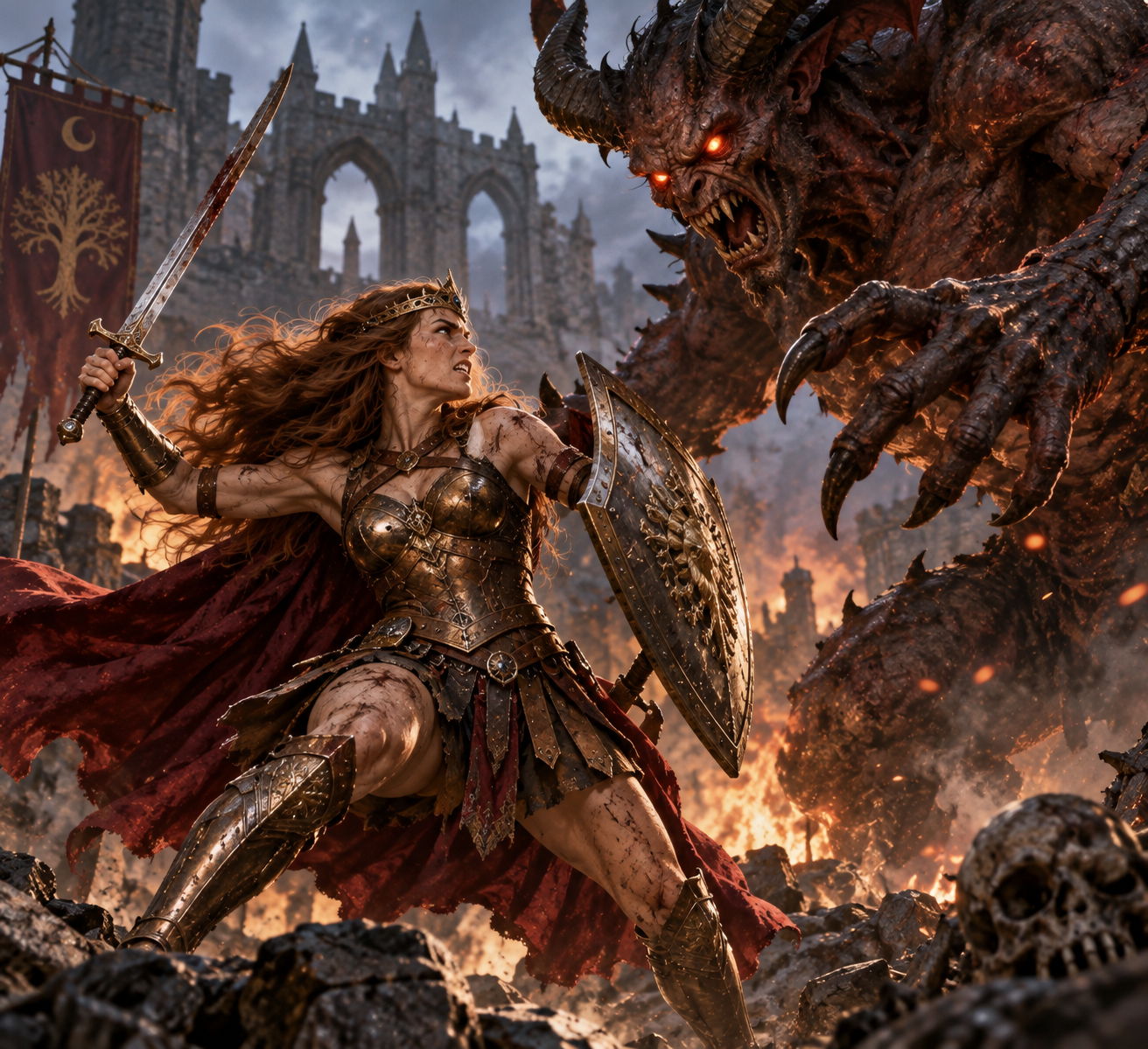
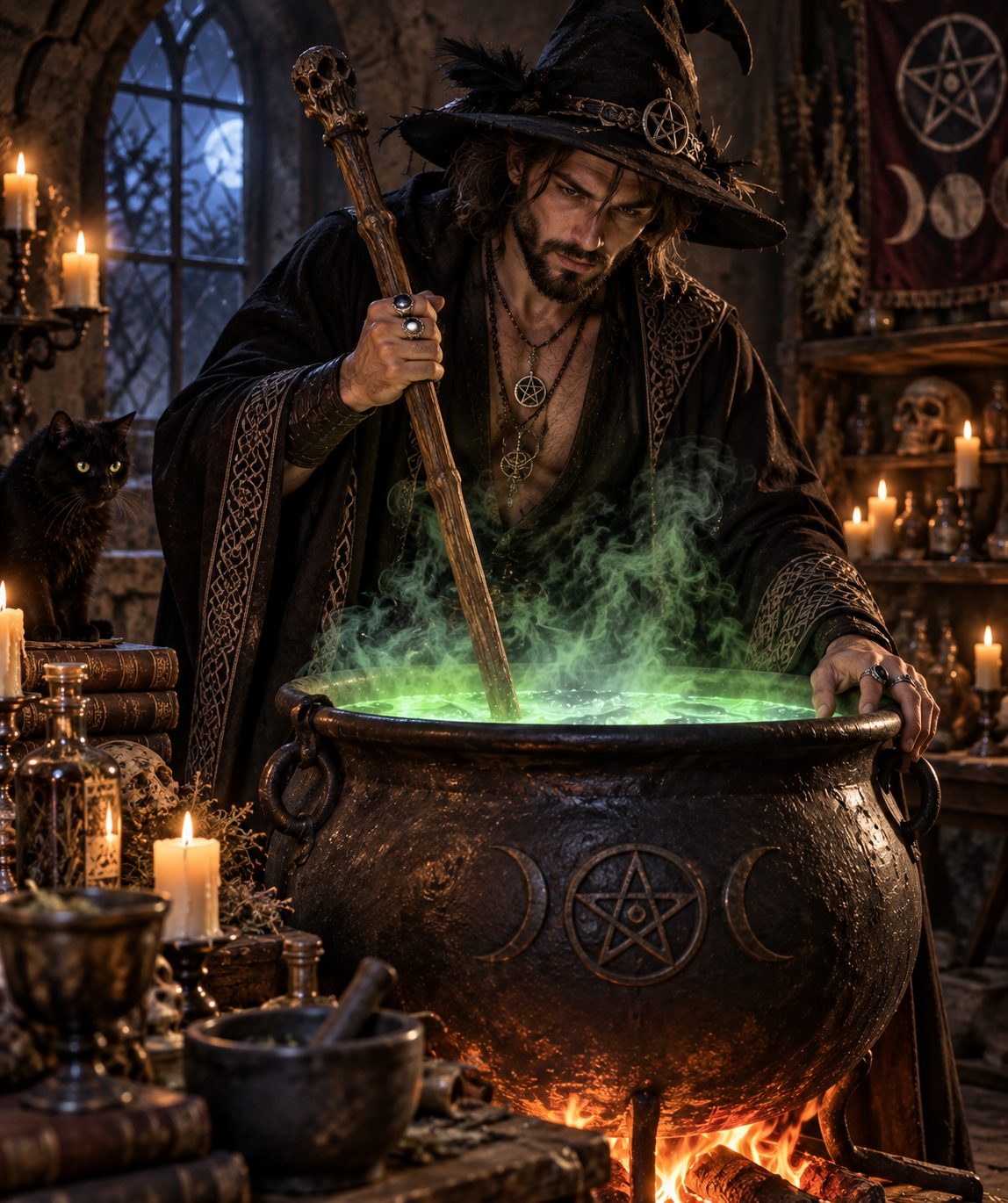
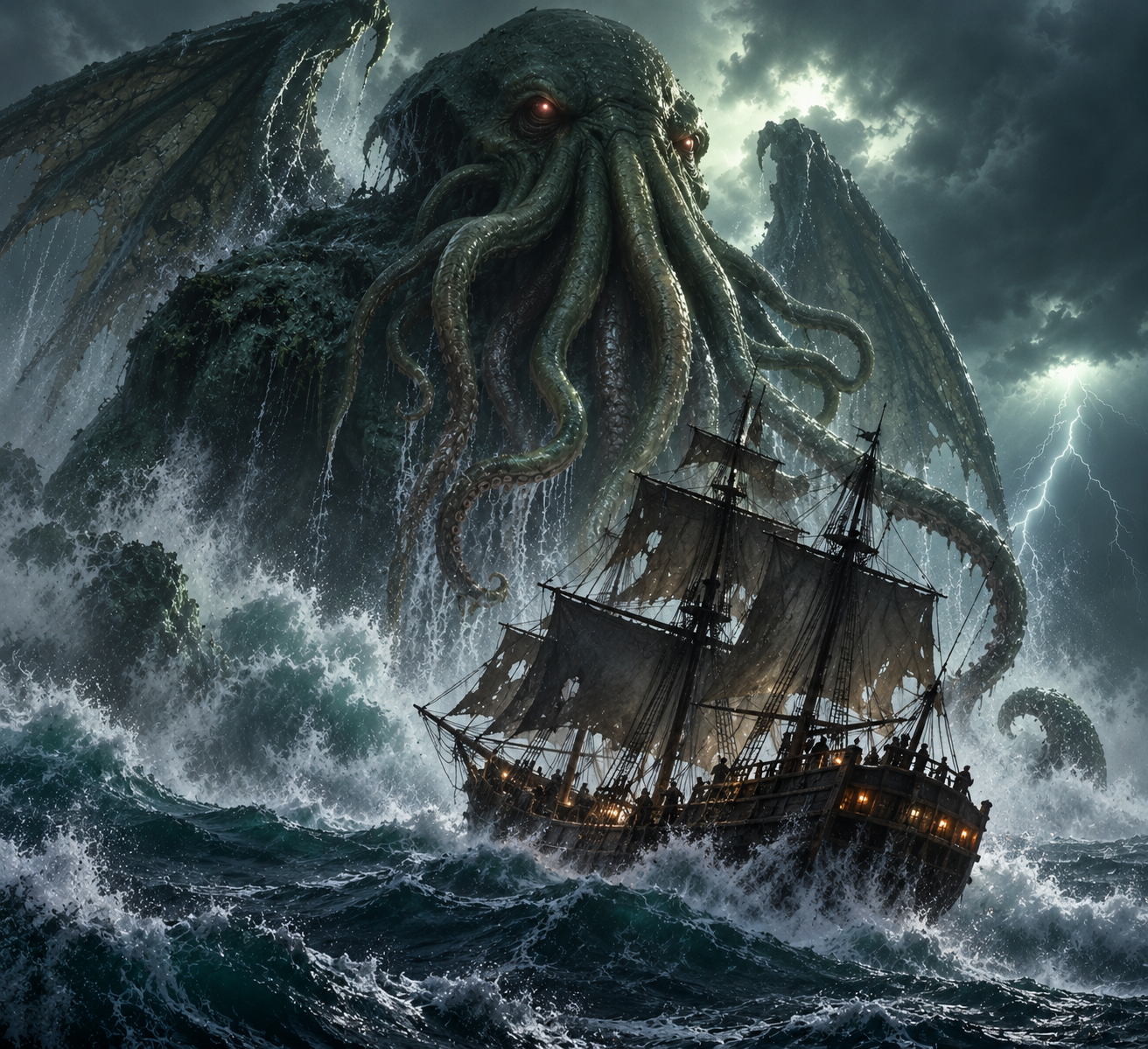
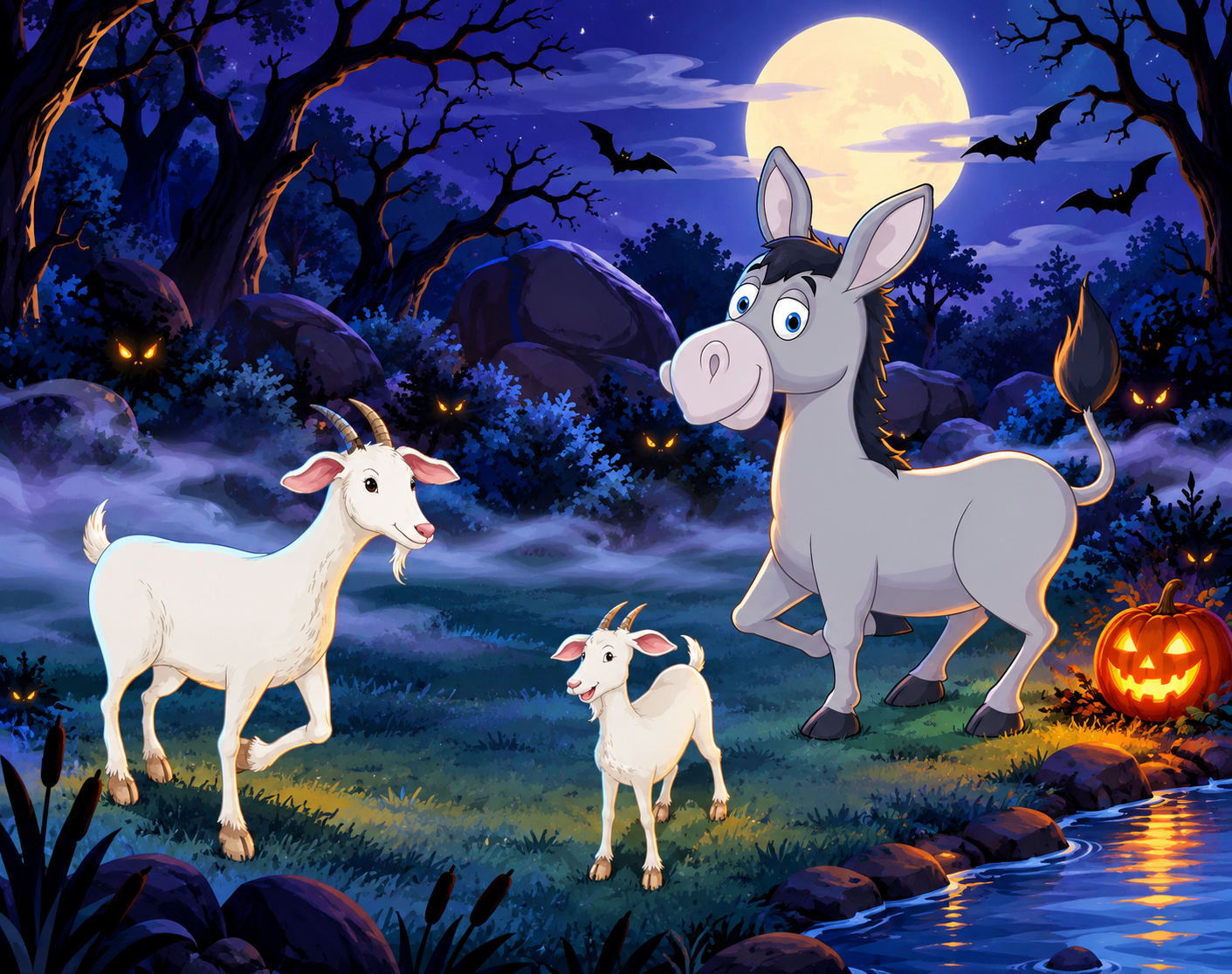
The images below are all AI-generated by me with ChatGPT, Grok, and Google Gemini on my iPhone. Enjoy!

The 31 Days of Halloween! Click on the day number you want! 01 | 02 | 03 | 04 | 05 | 06 | 07 | 08 | 09 | 10 | 11 | 12 | 13 | 14 | 15 | 16 | 17 | 18 | 19 | 20 | 21 | 22 | 23 | 24 | 25 | 26 | 27 | 28 | 29 | 30 | 31
George
|