Navigation:
Index
Splash Page |

 Two Goats and a Donkey! Two Goats and a Donkey!

On The 4th Day of Halloween
Sunday, October 4, 2026
Samhain was one of the four major seasonal festivals of the traditional Gaelic year, standing alongside Imbolc, Beltane, and Lughnasadh. Together, these observances divided the year according to important changes in season, agriculture, livestock, and community life. Rather than marking solstices and equinoxes, the four festivals occurred approximately midway between them, reflecting a calendar closely connected to the rhythms of the land.
Imbolc, celebrated around February 1, heralded the first signs of spring. Associated particularly with Ireland and the goddess — and later saint — Brigid, it represented returning light, fertility, and the beginning of a new agricultural season. Beltane, around May 1, marked the arrival of summer. Livestock were traditionally driven to summer pastures, and fires played an important ceremonial role, offering protection and purification for animals and communities.
Lughnasadh, celebrated around August 1, signaled the beginning of the harvest season. Traditionally associated with the god Lugh, it was a time for gatherings, games, feasting, trade, and the celebration of the first fruits of the harvest.
Samhain, beginning around November 1 and traditionally observed from the preceding evening, stood opposite Beltane in the seasonal cycle. If Beltane opened the bright half of the year, Samhain announced the beginning of its darker half. Harvesting was largely complete, livestock were brought back from summer pastures, and preparations began for the difficult winter months ahead. It was consequently both a practical turning point and a deeply symbolic one.
Samhain also possessed powerful supernatural associations. Medieval Irish literature depicts it as a time of gatherings, feasts, extraordinary events, and encounters with beings from the Otherworld. Later folklore strengthened the idea that the boundaries between ordinary human existence and the supernatural realm were unusually permeable at this season. The Sidhe, spirits, and other mysterious beings might travel abroad, making caution and hospitality especially important.
Together, Imbolc, Beltane, Lughnasadh, and Samhain formed a seasonal cycle of awakening, growth, harvest, and darkness. Among them, Samhain occupied the threshold between abundance and winter, light and darkness, the familiar and the unknown. Its enduring fascination comes from this quality of transition: Samhain was not merely an ending, but a doorway between seasons and, in the imagination of Gaelic tradition, between worlds.
And that concludes the fourth day of Halloween! Go forth and await Monday's edition!
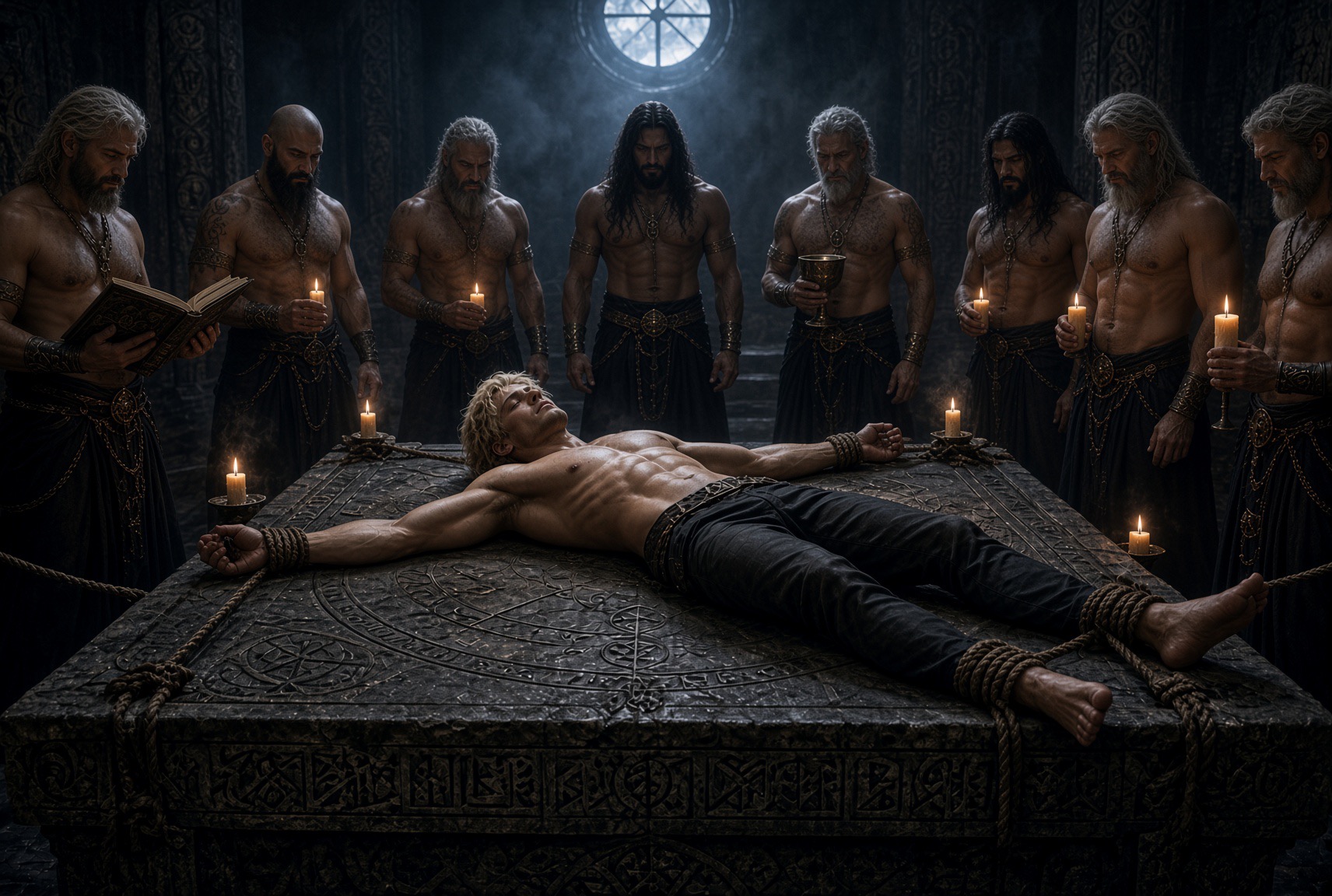
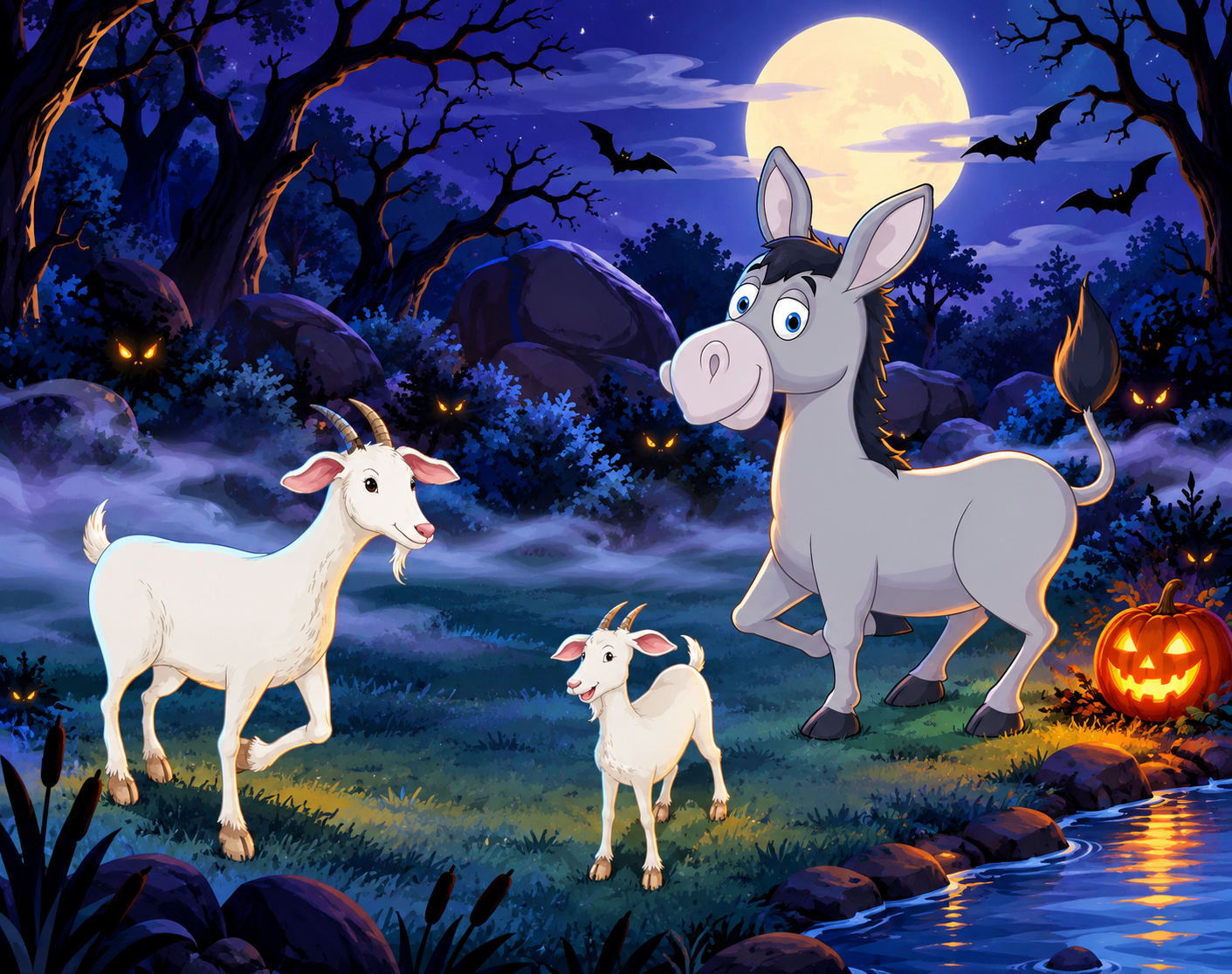
The images below are all AI-generated by me with ChatGPT, Grok, and Google Gemini on my iPhone. Enjoy!

The 31 Days of Halloween! Click on the day number you want! 01 | 02 | 03 | 04 | 05 | 06 | 07 | 08 | 09 | 10 | 11 | 12 | 13 | 14 | 15 | 16 | 17 | 18 | 19 | 20 | 21 | 22 | 23 | 24 | 25 | 26 | 27 | 28 | 29 | 30 | 31
George
|