Navigation:
Index
Splash Page |

 Two Goats and a Donkey! Two Goats and a Donkey!
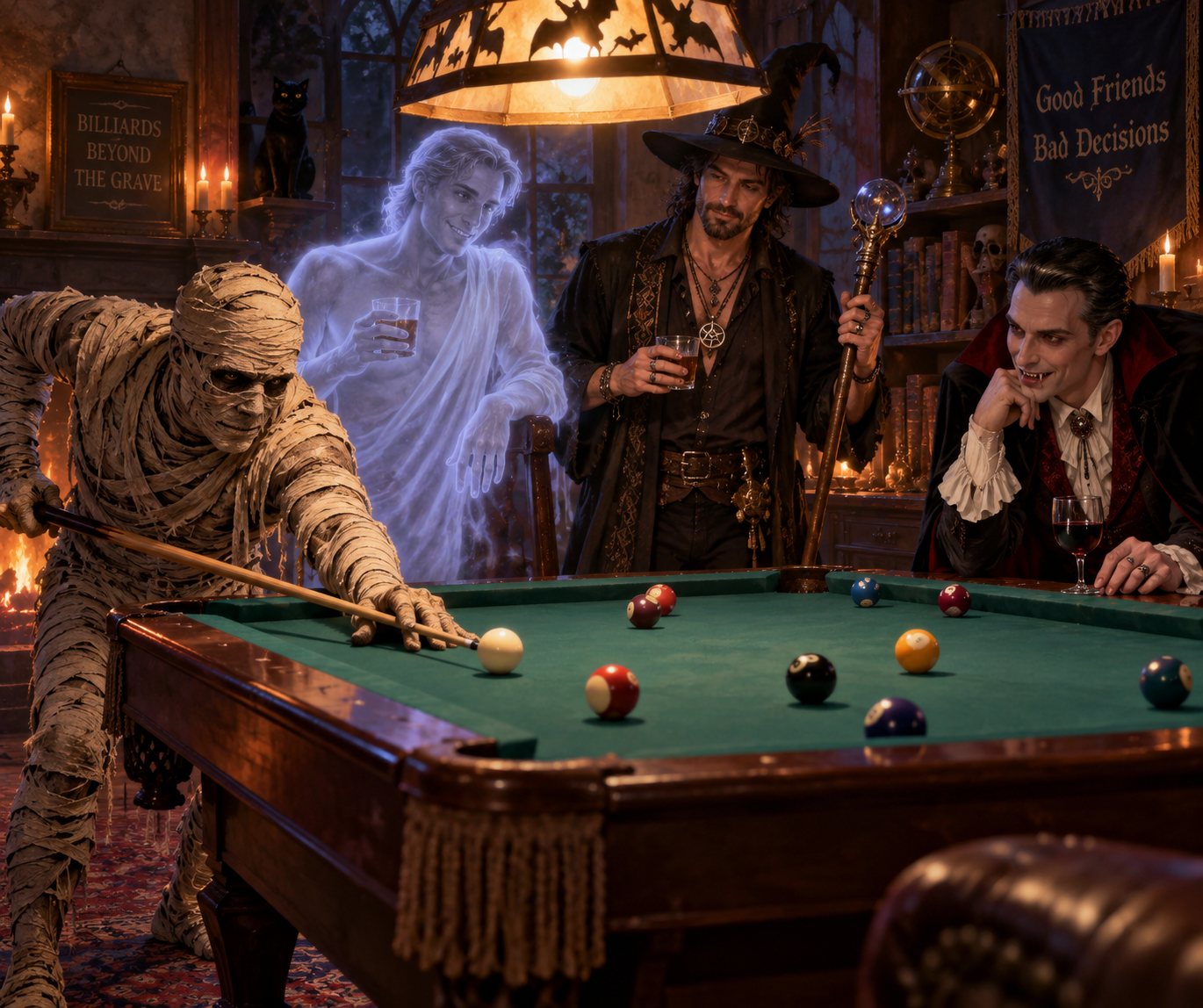
On The 27th Day of Halloween
Tuesday, October 27, 2026
Out of the Closet and Into the Costume: The Significance of Halloween in Will & Grace
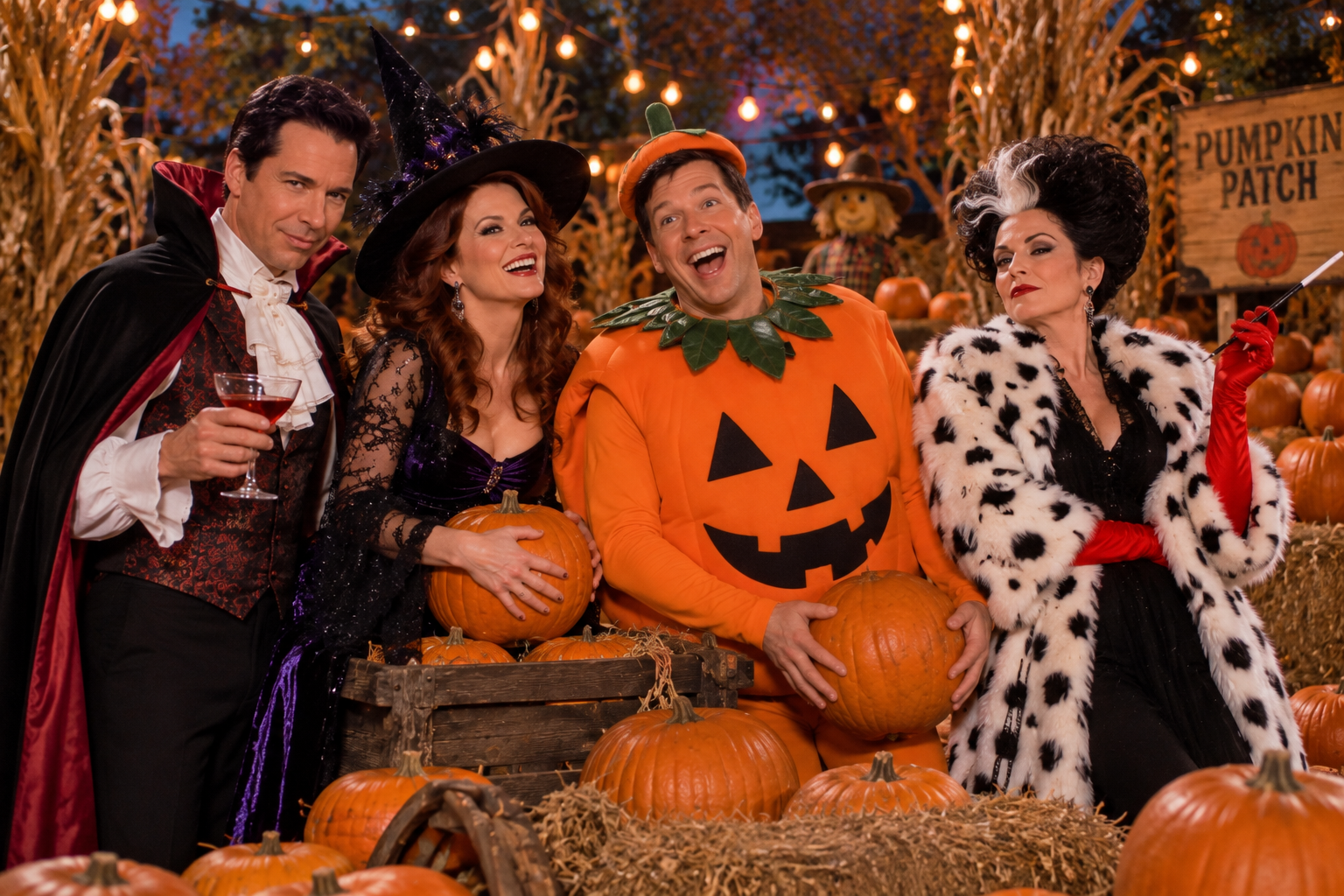 When Will & Grace premiered on NBC in September 1998, Halloween might have seemed like a natural holiday for the new sitcom. The series was stylish, theatrical, urban, sarcastic, and frequently extravagant. Two of its four central characters were openly gay men; another, Karen Walker, approached ordinary life as though she were perpetually performing before an audience; and Jack McFarland possessed enough enthusiasm for costumes, celebrities, drama, and spectacle to make nearly every day resemble Halloween.
Yet Halloween occupies a more interesting place in Will & Grace than simply providing an excuse for costumes and jokes. During the show's original eight-season run from 1998 to 2006, only two episodes were explicitly built around Halloween: the first-season episode “Boo! Humbug,” broadcast October 26, 1998, and the fifth-season episode “It's the Gay Pumpkin, Charlie Brown,” broadcast on Halloween night, October 31, 2002. The fact that there were only two major Halloween episodes actually makes them more revealing. They function almost like bookends marking different stages in the development of the characters and, more importantly, different stages in the way Will & Grace presented gay life to mainstream American television.
In the first, Halloween provides disguise, drag, theatricality, and a distinctly queer public celebration. By the second, homosexuality requires little disguise at all. Will can simply be set up with another man as part of an ordinary Halloween outing, while Jack moves comfortably through a gay social world that needs no special explanation. Between those two episodes lies one of the central achievements of Will & Grace: the transformation of gay identity from something television traditionally treated as unusual into something that could simply exist within the ordinary rhythms of sitcom life. Halloween, a holiday devoted to becoming someone else, became an unexpectedly appropriate setting for a television program whose gay characters were increasingly permitted simply to be themselves.
Halloween Arrives Almost Immediately
The timing of “Boo! Humbug” is significant. Will & Grace premiered on September 21, 1998. “Boo! Humbug” was only the fifth episode of the entire series, airing on October 26. The audience was therefore still learning who these people were. Will Truman was the comparatively restrained gay lawyer. Grace Adler was his neurotic straight best friend. Jack McFarland was flamboyant, theatrical, openly sexual, and unapologetically gay. Karen Walker was wealthy, outrageous, intoxicated, judgmental, and apparently unconcerned with nearly every rule governing ordinary behavior. Halloween gave the writers an opportunity to separate the quartet into two revealing pairs. Will and Grace remain in the comparatively conventional world of children and trick-or-treating. Jack and Karen head toward spectacle. This division almost perfectly describes the structure the series would use for years. Will and Grace often occupied the recognizable center of sitcom respectability. Jack and Karen occupied its anarchic edges. Halloween allowed both sides of Will & Grace to exist simultaneously.
“Boo! Humbug” and the Reluctant Adults
At the beginning of “Boo! Humbug,” Will and Grace do not want the conventional Halloween experience. Their plan is to remain at home watching Ingmar Bergman films. Will's client Harlin disrupts the evening by leaving his children with them, forcing Will and Grace to take the children trick-or-treating. Meanwhile, Jack persuades Karen to accompany him to the downtown Halloween parade, where Karen attracts attention from drag queens.
The episode establishes an important contrast.
Will and Grace initially behave as though they are above Halloween. The children represent uncomplicated enthusiasm. Halloween means candy, costumes, activity, and fun. Will and Grace prefer sophistication. Yet gradually they surrender. This is one of Halloween's most familiar powers in American culture. Adults who have supposedly outgrown childish excitement are given permission to rediscover it. That theme works particularly well for Will. Will is frequently the controlled member of the group. He is professional, organized, cautious, and deeply invested in maintaining order. Jack exists almost as his opposite. Jack rarely seems embarrassed by enthusiasm. If something offers the possibility of performance, attention, costume, or spectacle, Jack embraces it. Halloween therefore exposes a tension between two different ways of existing. Will controls himself. Jack performs himself. The series repeatedly asks whether Will might become happier if he surrendered some of that control. Halloween provides one of the earliest opportunities.
Jack McFarland Was Made for Halloween
Jack's relationship with Halloween is even more revealing. In another sitcom, the flamboyant gay character might have been the Halloween joke. In Will & Grace, Jack participates in creating the joke. This distinction matters. American television had long used effeminacy and gender nonconformity as sources of comedy. Gay-coded characters could appear ridiculous because they seemed insufficiently masculine. Jack certainly participates in that comedic tradition, and the character has understandably generated criticism for reinforcing stereotypes. Scholars and critics have noted the complicated nature of Will & Grace: its gay characters increased visibility while the sitcom format could also rely upon familiar stereotypes about gay masculinity. Yet Jack possesses something many earlier gay-coded comic figures did not. He possesses agency. Jack knows he is flamboyant. He enjoys it. He does not spend the series desperately trying to convince viewers that he is heterosexual. Halloween magnifies the difference. Jack does not require a costume in order to become theatrical. The world finally catches up with him. For one night, everyone else becomes more like Jack.
Karen Walker, Drag Queen
The most memorable queer element of “Boo! Humbug” belongs to Karen. Jack takes her downtown, where she is enthusiastically embraced by drag queens and effectively treated as one of them. Contemporary episode summaries describe Karen becoming an “honorary drag queen.” The joke works because Karen's everyday appearance is already exaggerated. Her hair, makeup, voice, expensive clothing, posture, theatrical femininity, and almost surreal self-confidence resemble performance. Halloween reveals that Karen Walker's version of womanhood has always contained elements of drag. That does not mean Karen is literally a drag queen. Instead, the episode points toward an idea that becomes important throughout Will & Grace: femininity and masculinity can both contain elements of performance. Karen performs “Karen.” Jack performs “Jack.” Grace performs versions of herself depending upon romantic circumstances. Will frequently performs respectability and control. Halloween simply makes performance visible.
Camp and Halloween
This is one reason Halloween fits the series so naturally. Will & Grace is deeply indebted to camp. Camp celebrates exaggeration, artificiality, theatricality, glamour, irony, and excess. A camp object or performance frequently knows that it is excessive and enjoys the excess. Halloween operates according to similar principles. A skeleton is not enough when twenty skeletons will fit in the yard. A witch does not need a normal hat when she can wear an enormous one. A vampire cape should sweep dramatically behind its wearer. Fake cobwebs should cover everything. Subtlety is optional. Karen and Jack operate within this aesthetic throughout the series. They make entrances. They deliver insults as performances. They worship celebrities. They treat fashion as language. Jack converts mundane experiences into theater. Karen behaves as though reality exists primarily for her amusement. Halloween therefore does not transform Jack and Karen as radically as it transforms other characters. Instead, Halloween temporarily transforms everyone else into citizens of their world.
Halloween and Queer Space
The downtown parade in “Boo! Humbug” carries additional significance. Halloween has long had important connections with urban LGBTQ+ nightlife and public celebration. Costumes, drag, masks, theatricality, and temporary freedom from conventional gender expectations made the holiday particularly compatible with queer social spaces. The episode does not give viewers a historical lecture about any of this. It does something more characteristic of Will & Grace. It simply places Jack there. Gay culture exists. Drag queens exist. They gather publicly. Karen joins them. The comedy does not depend upon Jack explaining homosexuality to heterosexual America. Instead, Karen enters his world. That reversal is important. Earlier television frequently introduced a gay character into a predominantly heterosexual environment and asked how the heterosexual characters would react. Will & Grace increasingly did the opposite. Straight characters entered gay spaces. Gay life became the environment.
The Historical Importance of That Normality
This was more culturally significant in 1998 than it can appear from the perspective of later television. When Will & Grace premiered, American network television had only recently undergone the enormous controversy surrounding Ellen DeGeneres and the coming out of her sitcom character Ellen Morgan. Contemporary coverage explicitly discussed whether audiences would accept another series with an openly gay lead. Will & Grace eventually became one of the best-known examples of LGBTQ+ representation on mainstream American television. Objects from the series, including its pilot script, were later accepted into the Smithsonian's National Museum of American History collection as artifacts connected with American LGBTQ+ history and television culture. The show's importance did not come primarily from presenting homosexuality as a dramatic social issue every week. Frequently it did the opposite. Will went to work. Jack complained. Grace dated. Karen drank. They had dinner. They argued. They celebrated holidays. Gay characters participated in ordinary sitcom life. Halloween was important precisely because it was one of those ordinary experiences.
The Mask Versus the Closet
There is also a powerful symbolic relationship between Halloween and the central cultural metaphor surrounding gay identity: the closet. The mask conceals identity. The closet conceals identity. But they work in opposite directions. A Halloween mask is temporary and playful. The closet can be compulsory and painful. Halloween tells someone: Hide your identity for fun. The closet historically told many gay people: Hide your identity for safety. Will & Grace arrived during a transitional moment in American television when openly gay characters were becoming increasingly visible but were far from universally accepted. Will and Jack represent two responses to this history. Will is relatively cautious. Jack is defiantly visible. Halloween therefore creates an interesting paradox around them. For centuries of masquerade tradition, the costume allowed people to become anonymous. But neither Will nor Jack needs Halloween to hide being gay. Their homosexuality is already known. The gay characters are among the least concealed people in the episode. That itself was significant television.
Halloween Without Shame
The series repeatedly insists that gay identity does not need to be revealed through melodrama. Jack does not spend “Boo! Humbug” worrying that someone will discover he is gay. He goes to a parade. He socializes with drag queens. He enjoys himself. The absence of shame is crucial. Television had often associated gay characters with secrecy, tragedy, rejection, illness, or coming-out narratives. Will & Grace certainly addressed prejudice and coming out, but its central characters also existed after the revelation. Will was already gay. Jack was extremely gay. Life continued. Halloween therefore became a celebration not of hiding but of visible difference.
Four Years Later
When Will & Grace returned explicitly to Halloween in its fifth season, the program occupied a very different position. “It's the Gay Pumpkin, Charlie Brown” aired on October 31, 2002. The title itself transformed one of America's best-known television Halloween traditions, It's the Great Pumpkin, Charlie Brown, into a gay cultural joke. Even the title demonstrates how far the program had traveled. It does not whisper the word “gay.” It places it in the title. The gayness is not a revelation. It is branding.
The Gay Pumpkin
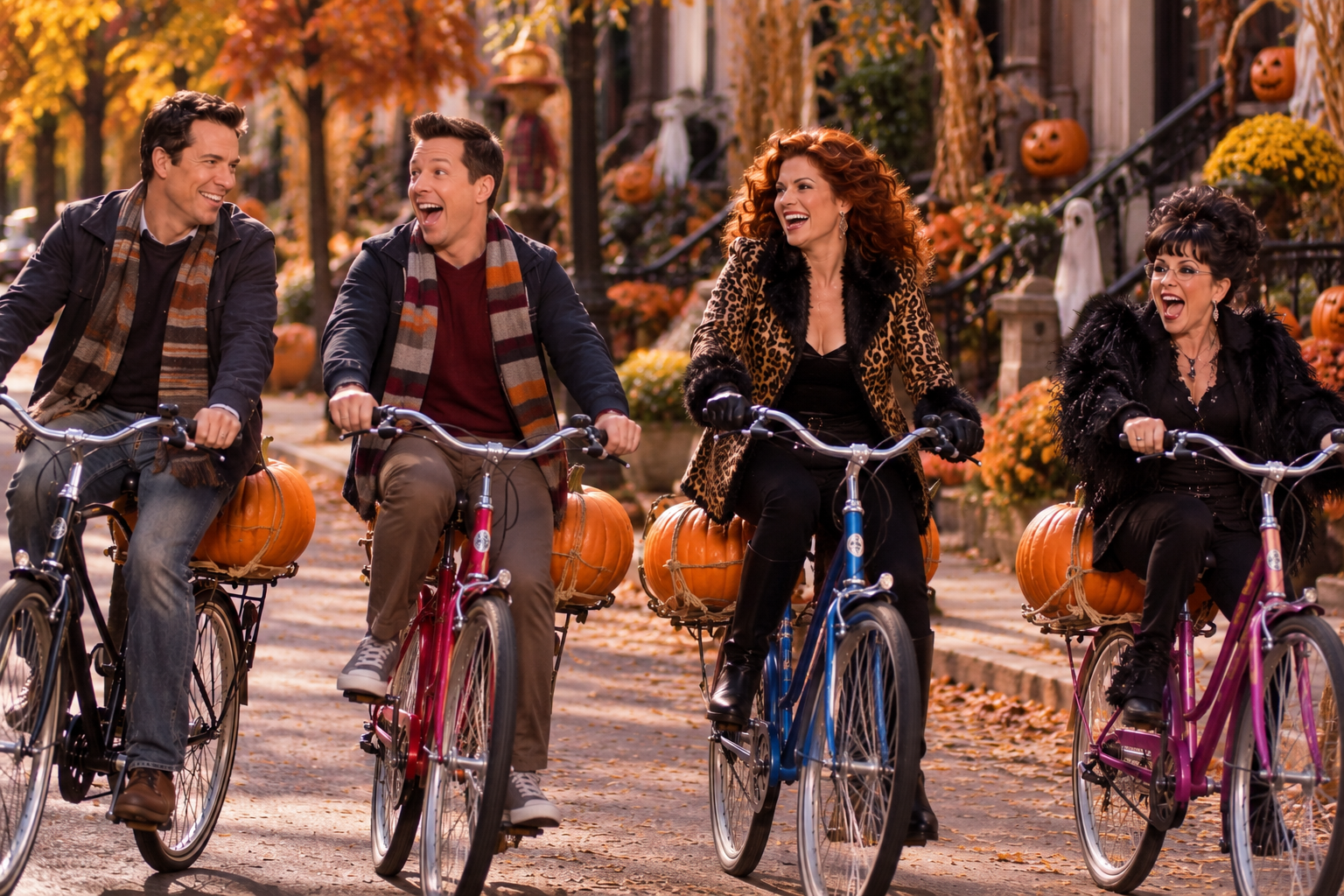 The episode sends Will and Grace into the Catskills with Grace's new boyfriend Leo and a man Leo has invited for Will. The group heads into the countryside for a Halloween pumpkin excursion. Grace attempts to pretend that she enjoys outdoor activity because she wants to impress Leo. Will dislikes the outing and initially resents his prospective date, Kim, before eventually warming to him. Something remarkable happens here precisely because nothing remarkable happens. A straight man arranges a date for a gay man. The date is part of a double date. The foursome goes pumpkin picking. The gay relationship is structurally equivalent to the heterosexual one. This is Halloween not as queer concealment but as queer domestic normality. Nobody requires a mask. Nobody needs a closet. Will can simply have a date. The episode sends Will and Grace into the Catskills with Grace's new boyfriend Leo and a man Leo has invited for Will. The group heads into the countryside for a Halloween pumpkin excursion. Grace attempts to pretend that she enjoys outdoor activity because she wants to impress Leo. Will dislikes the outing and initially resents his prospective date, Kim, before eventually warming to him. Something remarkable happens here precisely because nothing remarkable happens. A straight man arranges a date for a gay man. The date is part of a double date. The foursome goes pumpkin picking. The gay relationship is structurally equivalent to the heterosexual one. This is Halloween not as queer concealment but as queer domestic normality. Nobody requires a mask. Nobody needs a closet. Will can simply have a date.
From Parade to Pumpkin Patch
The contrast with “Boo! Humbug” is striking. In 1998, Jack's gay cultural world appears within the flamboyant environment of a downtown Halloween parade filled with drag. In 2002, Will's gay romantic possibility appears in a pumpkin patch. These settings symbolize two forms of LGBTQ+ representation. One is spectacular. One is ordinary. Jack's Halloween says gay culture can be theatrical, flamboyant, communal, and proudly different. Will's Halloween says a gay man can also participate in the most conventional autumn rituals imaginable. Neither representation cancels the other. The genius of the show's central gay pairing was that Will and Jack allowed mainstream television to present different versions of gay masculinity simultaneously. Will did not need to become Jack. Jack did not need to become Will. Halloween had room for both.
Grace and the Costume of Identity
Grace's storyline adds another layer to the episode's Halloween theme. She pretends to enjoy the outdoors because Leo enjoys it. In other words, Grace wears a metaphorical costume. She attempts to become the outdoorsy woman she believes Leo might want. Eventually she admits that the performance is false. This is not primarily a queer storyline. Yet within Will & Grace, it echoes the show's larger concern with authenticity. People frequently perform identities in order to gain acceptance. Grace's performance is comic and temporary. Historically, gay people's performances of heterosexuality could be far more consequential. The Halloween setting makes the parallel especially effective. Everyone is supposedly celebrating a holiday of costumes, yet the important disguises are psychological.
Jack's Gay World Has Become Ordinary
The secondary plot of “It's the Gay Pumpkin, Charlie Brown” also demonstrates how casually the show could present gay social space by 2002. Karen, troubled by guilt concerning her attraction to Lionel, is taken by Jack to a gay men's therapy group. Her attempt to address her marriage eventually leads to the discovery that Stan has been unfaithful. Again, the gay setting is not the crisis. It is simply where the scene occurs. Jack possesses a gay community beyond Will. There are gay groups, friends, relationships, jokes, and social networks. This matters because representation involves more than placing a single gay character into a heterosexual world. Community changes the picture. One isolated gay character can become an exception. Multiple gay people create a social reality.
Chosen Family
Halloween also reveals another of Will & Grace's most important themes: chosen family. Traditional American sitcoms often centered the biological family. Father Knows Best, Leave It to Beaver, The Brady Bunch, Family Ties, The Cosby Show, and countless others built comedy around parents and children sharing a household. Will & Grace offered something different. Will, Grace, Jack, and Karen are not a conventional family. Yet functionally they behave like one. They argue. They interfere. They celebrate. They insult one another. They forgive. They remain. Halloween is particularly compatible with this structure because, unlike Thanksgiving or Christmas, it does not require a traditional family configuration. Friends can form the celebration. The quartet becomes its own household. For LGBTQ+ viewers familiar with the importance of chosen families, this structure carried significance beyond comedy.
Halloween as a Will & Grace Philosophy
Ultimately, Halloween matters in Will & Grace because the holiday's fundamental ideas resemble the show's own. Halloween questions appearances. Will & Grace questions appearances. Halloween celebrates theatricality. Will & Grace celebrates theatricality. Halloween allows gender to become costume and performance. Will & Grace repeatedly plays with masculinity, femininity, drag, fashion, and presentation. Halloween gives outsiders the center of the stage. So does Will & Grace. Monsters become heroes on Halloween. Drag queens become celebrities. The strange becomes desirable. The excessive becomes beautiful. The person who would attract stares on another night may become the person everyone wants to photograph. That inversion parallels an important part of the show's cultural achievement. Gay characters who had historically occupied the margins of mainstream television moved toward the center.
From Disguise to Visibility
The two Halloween episodes therefore tell a larger story. “Boo! Humbug” arrives when the audience is only beginning to know Will, Grace, Jack, and Karen. Halloween is theatrical. Jack enters queer public space. Karen is absorbed into drag culture. Will and Grace rediscover childish pleasure. Identity is playful. Four years later, “It's the Gay Pumpkin, Charlie Brown” barely needs Halloween costumes at all. Instead, homosexuality has become embedded in ordinary life. Will gets a male date. Jack attends a gay therapy group. Grace wrestles with authenticity in her heterosexual relationship. Karen's marriage begins to collapse. The supernatural is largely irrelevant. The title itself provides the camp. The movement between these episodes can be understood as a movement from costume to comfort. Gayness no longer requires a special occasion.
The Real Gay Pumpkin
Perhaps that is why “It's the Gay Pumpkin, Charlie Brown” is such a clever title. The joke is obvious: replace “Great” with “Gay.” But underneath the joke lies something characteristic of Will & Grace. The series repeatedly took familiar elements of mainstream American culture and made room for gay people inside them. The apartment sitcom. The romantic comedy. The workplace comedy. Thanksgiving. Christmas. Weddings. Dating. Family. And Halloween. The point was not that gay people needed entirely separate traditions. They were already part of American traditions. They went pumpkin picking too. They argued with dates. They hated bicycle rides. They watched movies. They went to parades. They celebrated Halloween.
When the Mask Is No Longer Necessary
Halloween traditionally allows people to hide behind masks. Will & Grace helped imagine a television world in which its gay characters increasingly did not need them. That is the deeper significance of Halloween within the series. Jack can embrace drag culture without disguising his sexuality. Will can participate in a double date without pretending his companion is merely a friend. Their heterosexual friends enter gay spaces without the program treating those spaces as alien territory. Gayness can be spectacular. Gayness can be ordinary. It can exist in the parade and at the pumpkin patch. That balance helps explain why Will & Grace became culturally important. The Smithsonian later recognized the program as part of American history, while scholars and critics have continued debating both its enormous contribution to LGBTQ+ visibility and the stereotypes embedded within some of its comedy. Its Halloween episodes contain both sides of that legacy. There is camp. There is drag. There are gay jokes. There is exaggeration. But there is also normality. A gay man can celebrate Halloween without Halloween being used to explain why he is gay. That distinction may seem small now. On network television in the late 1990s and early 2000s, it was not.
Halloween, Will, Grace, Jack, and Karen
In the end, Halloween may be one of the holidays that most perfectly expresses the strange chemistry of the four central characters. Will wants control. Halloween introduces disorder. Grace wants romance. Halloween exposes performance. Jack wants attention. Halloween gives him a stage. Karen already lives as though every day is a masquerade. Halloween merely makes everyone else dress appropriately. Together, they form a family built not by biology but by attachment. That family is allowed to be ridiculous, affectionate, cruel, loyal, selfish, generous, theatrical, and loving. Halloween does not fundamentally change them. It reveals them. And that may be the holiday's greatest significance within Will & Grace. Halloween traditionally asks people to become someone else for one night. Will & Grace, by contrast, spent much of its history arguing — beneath all the jokes, insults, costumes, celebrity references, martinis, and theatrical excess — that people should be allowed to become more fully themselves.
For earlier generations of LGBTQ+ people, Halloween could provide a temporary refuge in costume. A mask could create anonymity. Drag could be explained as a joke. Gender rules could loosen for an evening. Someone could cross a social boundary and retreat behind the explanation that it was only Halloween. But Will and Jack represent something different. They are already out. The transformation has already occurred. They do not need October 31 to become visible. So when Halloween arrives in Will & Grace, the traditional symbolism is subtly reversed. The straight woman can be mistaken for a drag queen. The reserved lawyer can rediscover childish fun. The flamboyant gay man can walk through a public celebration entirely at home. The gay bachelor can go pumpkin picking with a male date. The holiday that traditionally allows people to conceal themselves becomes, in Will & Grace, another opportunity for characters to reveal who they are. That is why Halloween fits the series so well. The costumes are temporary. The camp is extravagant. The jokes are outrageous. But beneath them lies one of the simplest ideas the series brought into millions of American homes: the mask should eventually be something a person chooses to wear — not something a person is forced to live behind.
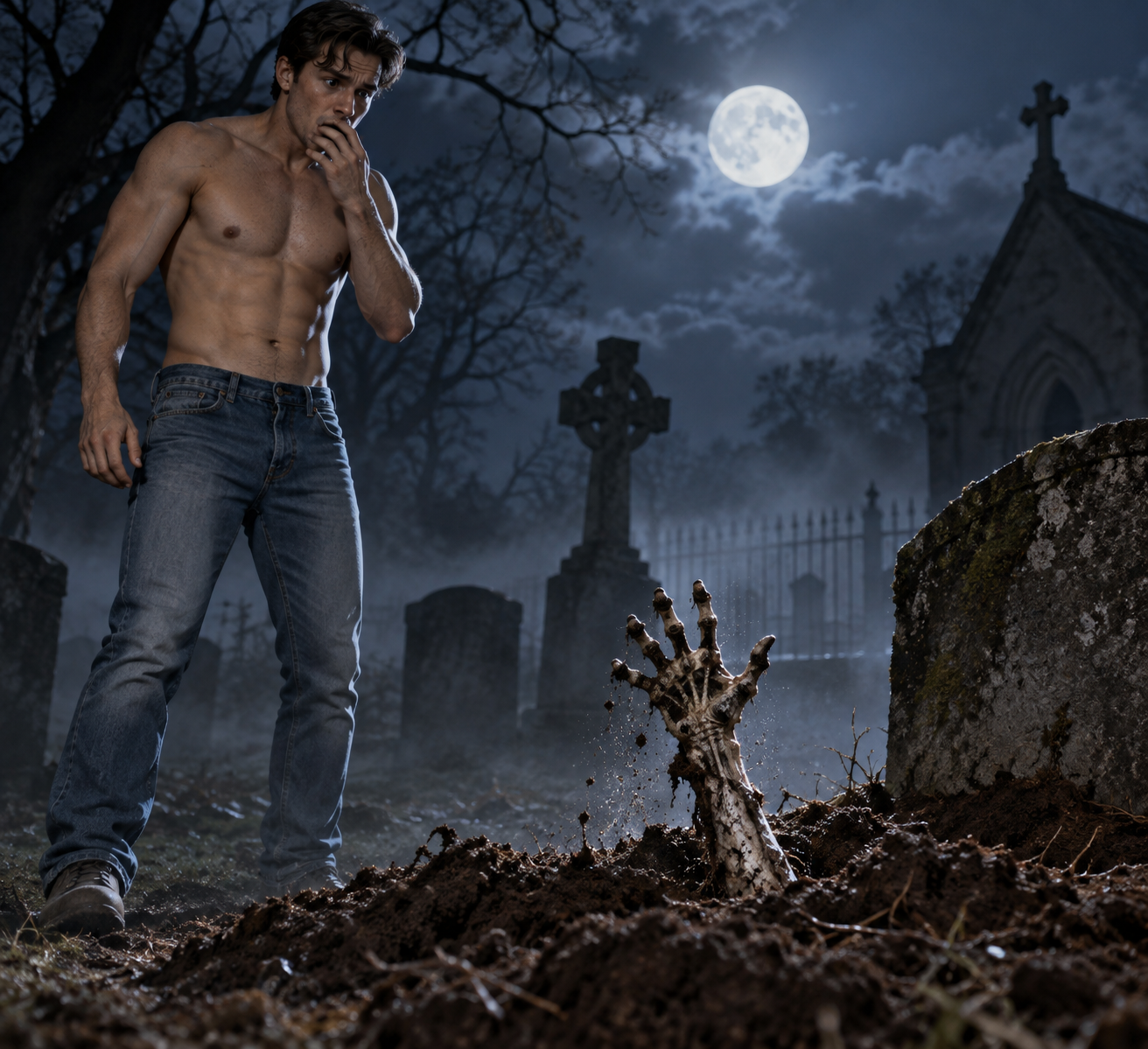
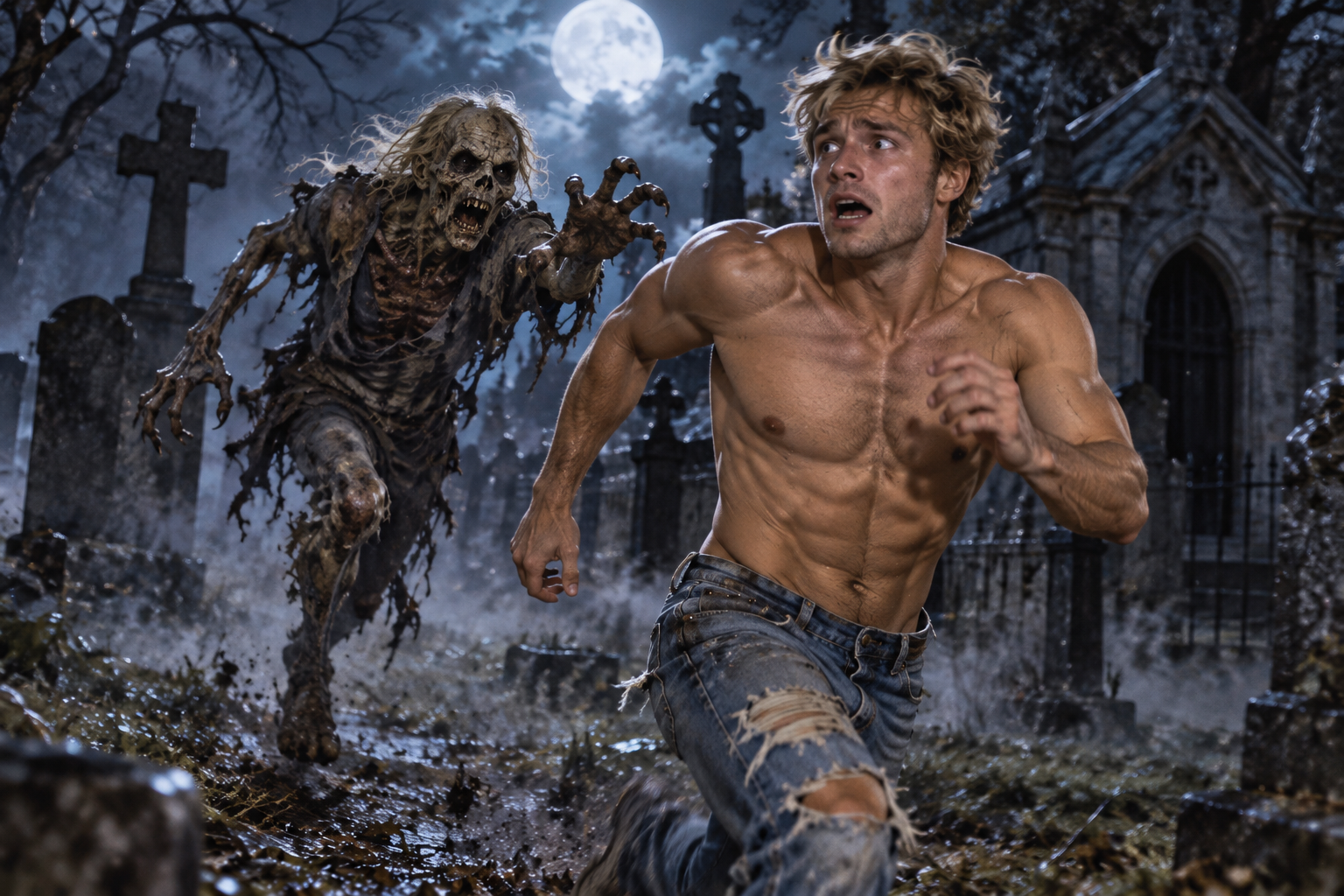
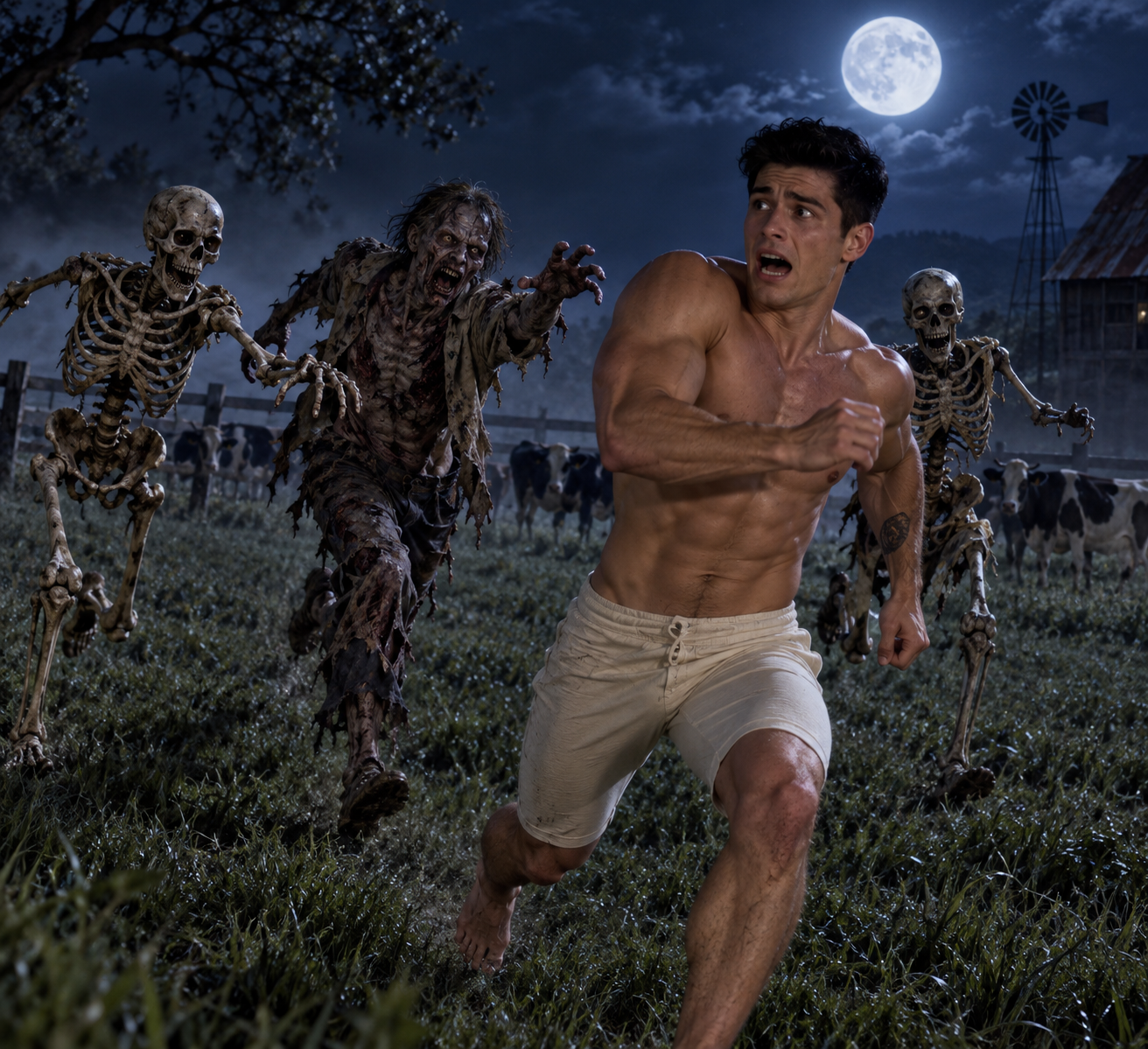
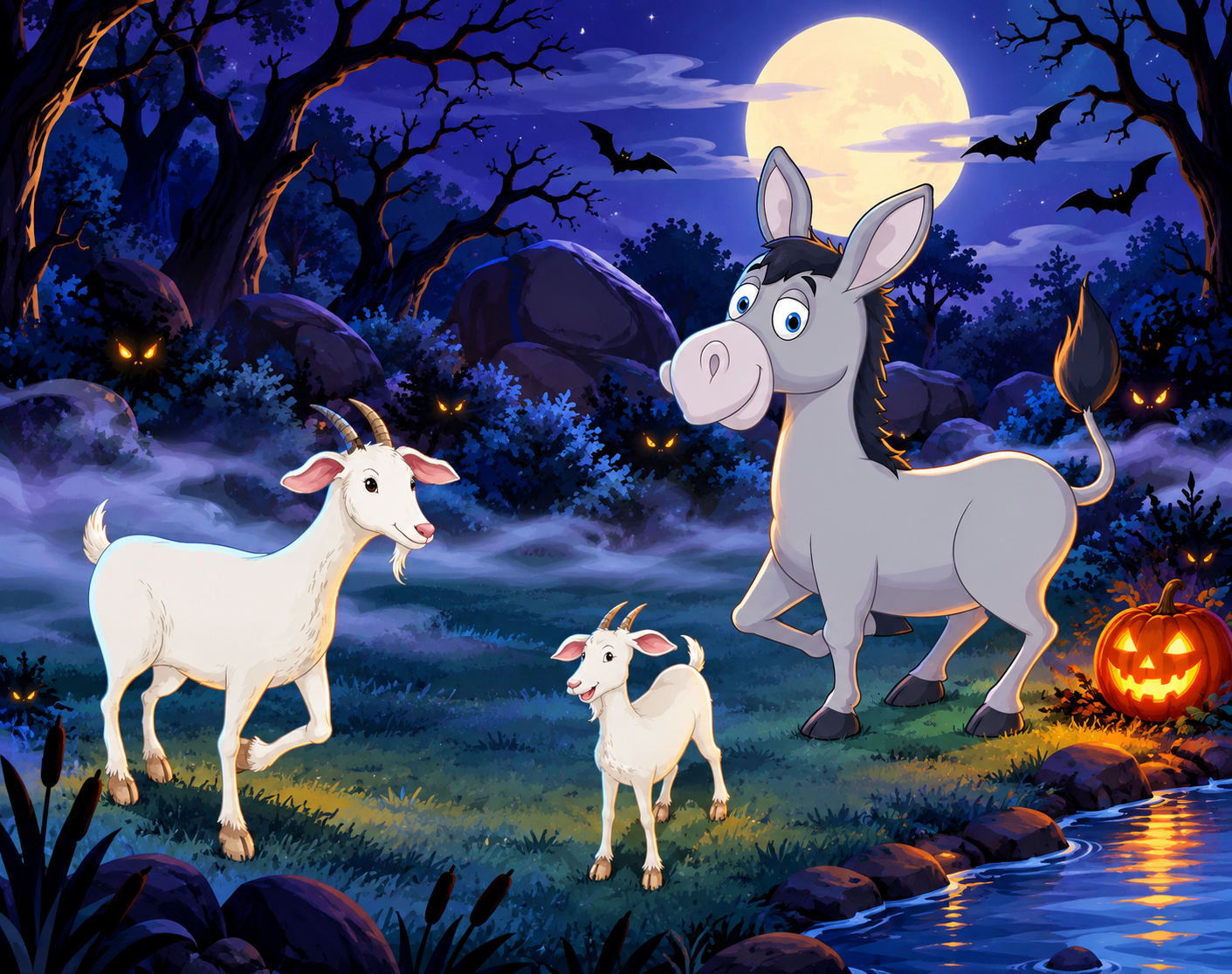
The images below are all AI-generated by me with ChatGPT, Grok, and Google Gemini on my iPhone. Enjoy!

The 31 Days of Halloween! Click on the day number you want! 01 | 02 | 03 | 04 | 05 | 06 | 07 | 08 | 09 | 10 | 11 | 12 | 13 | 14 | 15 | 16 | 17 | 18 | 19 | 20 | 21 | 22 | 23 | 24 | 25 | 26 | 27 | 28 | 29 | 30 | 31
George
|