 Two Goats and a Donkey! Two Goats and a Donkey!

On The 17th Day of Halloween
Saturday, October 17, 2026
Origins of Saturday
The English word Saturday differs from most other English weekday names because it preserves the name of a Roman god rather than substituting a Germanic deity. Its Gaelic equivalents developed along a very different path, reflecting the influence of Christianity and the biblical Sabbath. Together, these names reveal another layer in the long interaction among Roman, Celtic, Germanic, and Christian traditions.
The English Saturday comes from Old English Sæternesdæg, meaning “Saturn’s Day.” This was derived from the Latin dies Saturni, the Roman “day of Saturn.” Saturn was an ancient Roman god associated with agriculture, sowing, abundance, and a legendary age of prosperity known as the Golden Age. Unlike Tuesday through Friday, Germanic speakers did not replace Saturn with the name of one of their own gods. His Roman identity therefore survived into English.
The Gaelic names have an entirely different origin. In modern Irish, Saturday is Dé Sathairn, while Scottish Gaelic uses Disathairne. These forms ultimately derive from Latin Sabbatum, itself connected with the Hebrew Shabbat, the Sabbath. The terminology entered Gaelic through Christianity and the language of the early Church.
This Christian influence is particularly significant in Ireland. Because Ireland was never conquered by the Roman Empire, Roman weekday terminology did not become established there in exactly the same manner as it did in Roman Britain and Gaul. With the spread of Christianity, Gaelic speakers developed weekday names strongly influenced by Christian religious practice. Saturday consequently became associated linguistically with the Sabbath rather than directly with the Roman Saturn.
The ancient Celtic calendar itself operated according to principles considerably different from the later seven-day week. Evidence such as the Gaulish Coligny Calendar demonstrates that Celtic peoples carefully observed lunar cycles and organized months within a sophisticated calendrical system. There is no convincing evidence, however, that the pre-Christian Celts possessed a seven-day week in which Saturday was dedicated to a native deity corresponding to Saturn.
There were nevertheless Celtic agricultural and fertility gods whose functions overlapped with some aspects of Saturn. Roman-era Celtic religion frequently combined native and Roman religious traditions, making exact equivalencies difficult to establish.
Saturday therefore represents two strikingly different inheritances. English preserves Roman Saturn almost unchanged, while Irish Dé Sathairn and Scottish Gaelic Disathairne reflect the biblical Sabbath transmitted through Christianity. Beneath these later names lies the older Celtic tradition of measuring sacred and seasonal time through lunar and agricultural cycles. Saturday thus preserves traces of Roman religion, Gaelic Christianity, biblical tradition, and the changing ways Celtic peoples understood and organized the passage of time.
Bye bye Saturday!
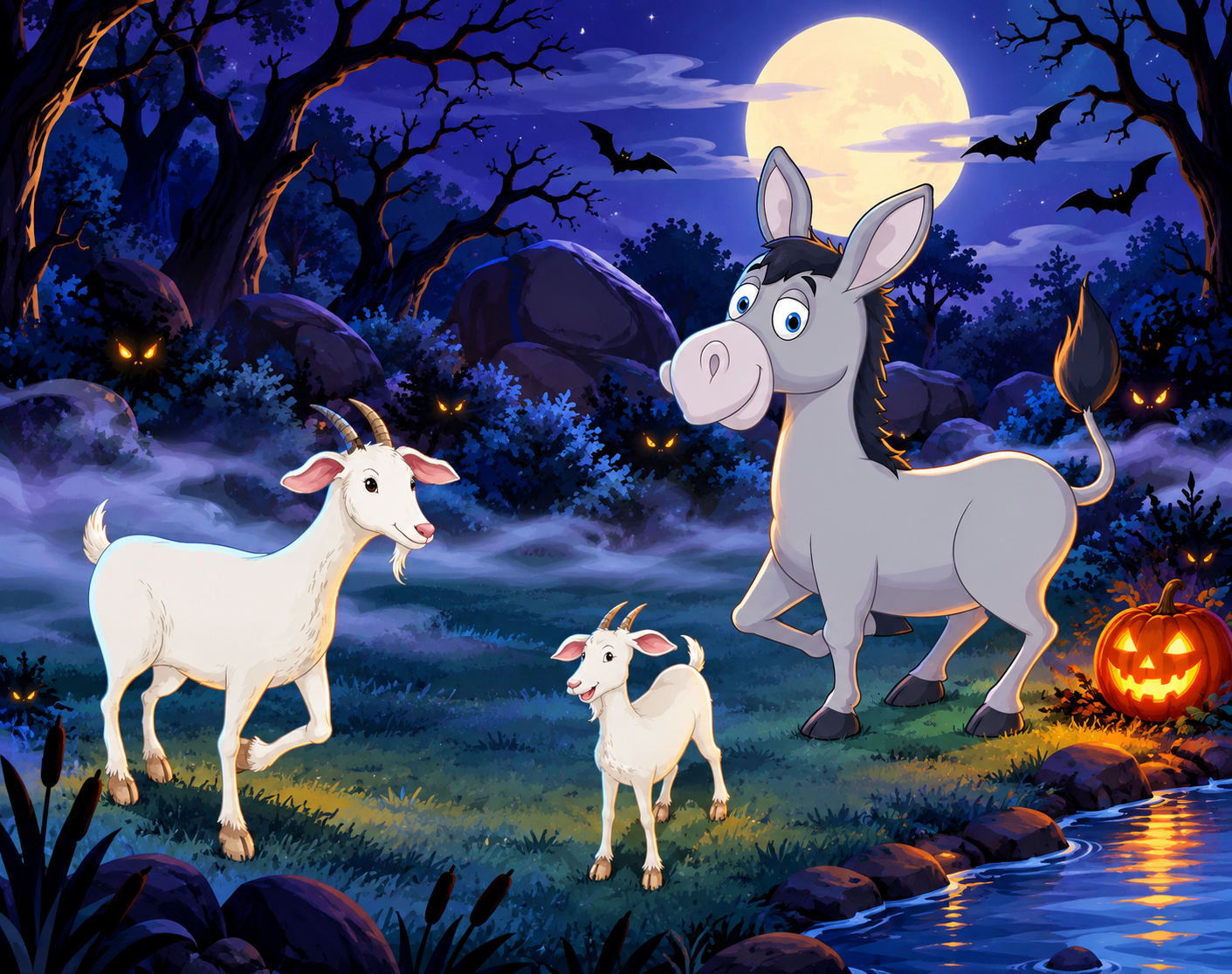
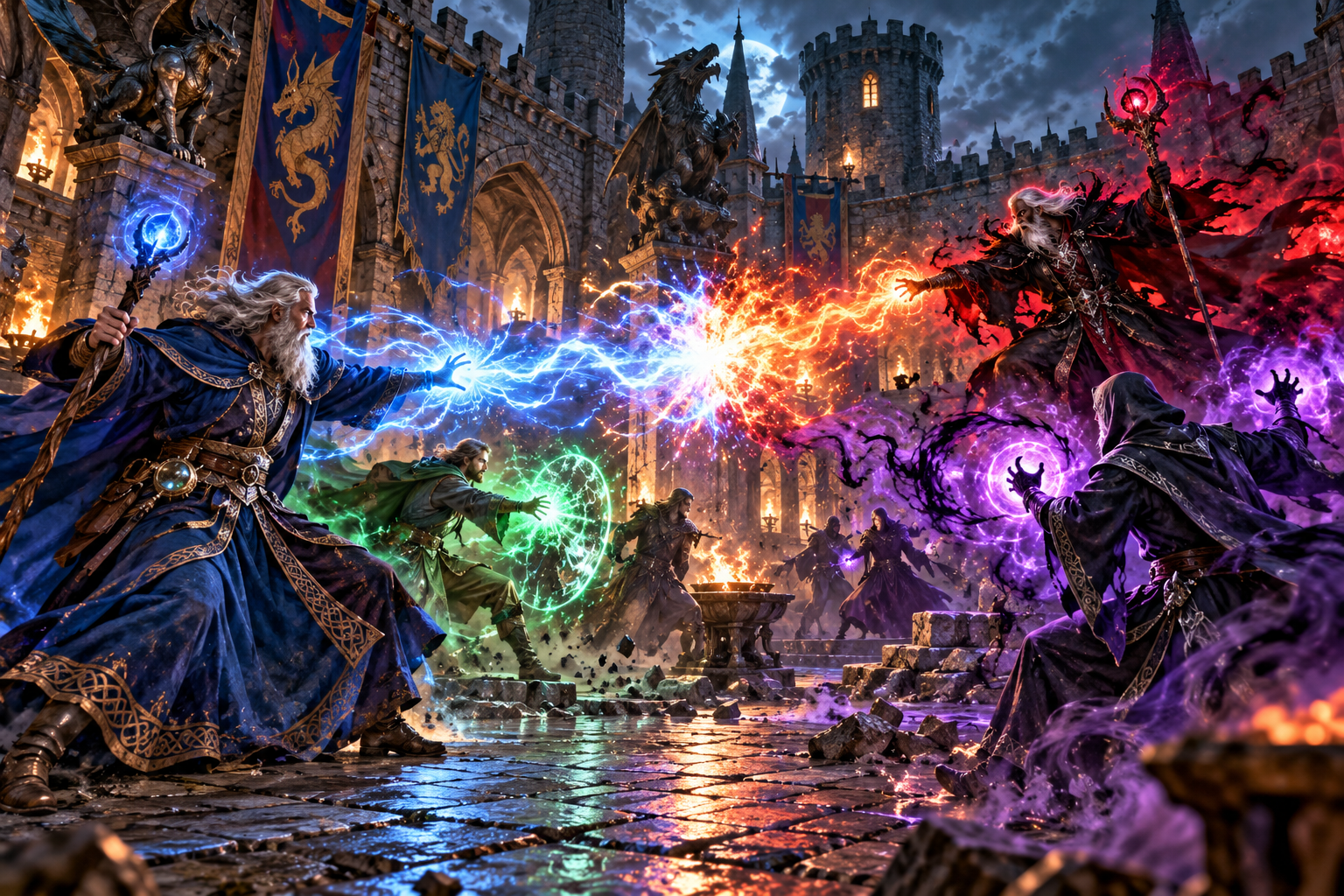
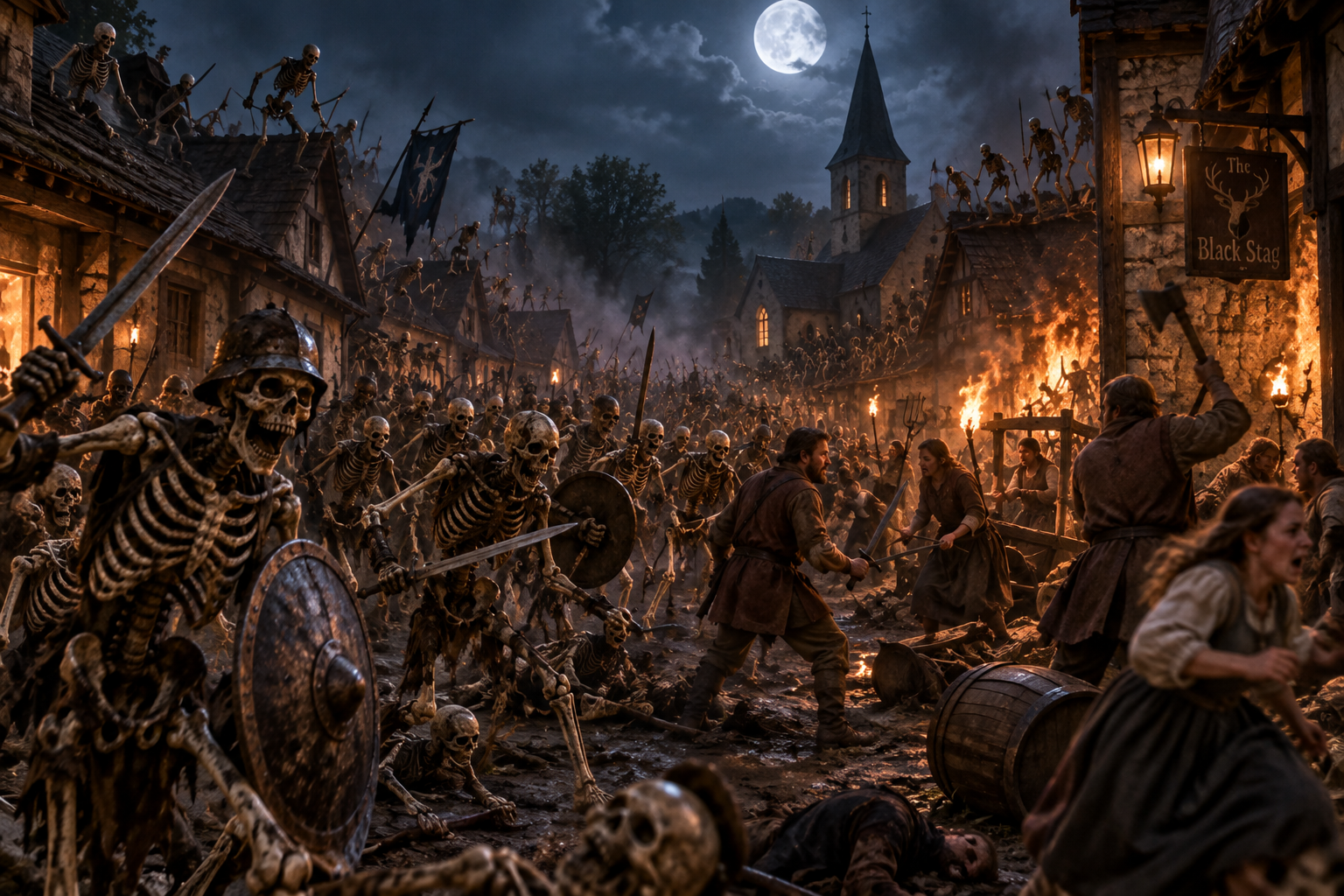
The images below are all AI-generated by me with ChatGPT, Grok, and Google Gemini on my iPhone. Enjoy!

The 31 Days of Halloween! Click on the day number you want! 01 | 02 | 03 | 04 | 05 | 06 | 07 | 08 | 09 | 10 | 11 | 12 | 13 | 14 | 15 | 16 | 17 | 18 | 19 | 20 | 21 | 22 | 23 | 24 | 25 | 26 | 27 | 28 | 29 | 30 | 31
George
|