Navigation:
Index
Splash Page |

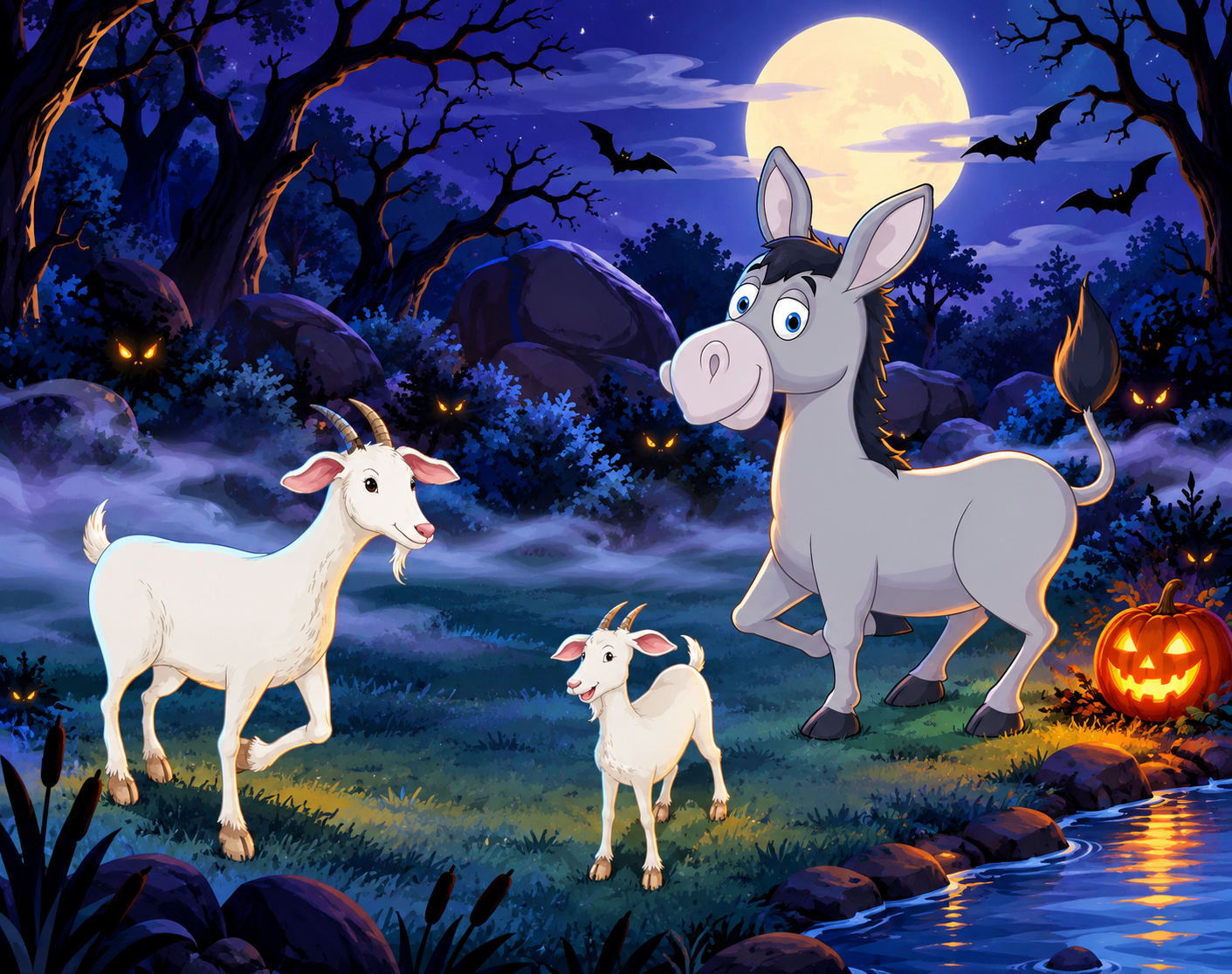
 Two Goats and a Donkey! Two Goats and a Donkey!

On The 16th Day of Halloween
Friday, October 16, 2026
Origins of Friday
The English word Friday preserves the name of a Germanic goddess, while the Gaelic names for the day reflect the influence of early Christianity. Like the other weekdays, Friday provides a fascinating glimpse into the way Roman, Germanic, Celtic, and Christian traditions became intertwined as the seven-day week spread across western Europe.
The English Friday comes from Old English Frīgedæg, meaning “Frīg’s Day.” Frīg was a Germanic goddess associated with marriage, household life, fertility, and feminine authority. She is closely related to the Norse goddess Frigg, wife of Odin. The precise relationship between Frigg and the Norse goddess Freyja has long been debated, and the two should not simply be treated as identical. Nevertheless, both belonged to the rich religious traditions of the pre-Christian Germanic peoples.
The connection arose from the Roman planetary week. Romans called Friday dies Veneris, meaning “day of Venus.” Venus was the Roman goddess of love, beauty, sexuality, and fertility. When Germanic peoples adopted the Roman system, they associated Venus with a comparable Germanic goddess and substituted Frīg’s name. Frīgedæg eventually developed into the modern English Friday.
Gaelic followed a different course. In modern Irish, Friday is Dé hAoine, while Scottish Gaelic uses Dihaoine. These forms are associated with fasting. The Irish word aoine is connected with the practice of abstinence or fasting, making Friday essentially the weekly “fast day.” Early Christians commonly observed Friday as a day of penance and abstinence in remembrance of the Crucifixion of Christ.
The Christian Gaelic name therefore replaced the planetary association with Venus. Nevertheless, the ancient Celtic world certainly possessed goddesses connected with fertility, sovereignty, sexuality, prosperity, and the land. Figures such as Áine in Irish tradition were associated with themes including fertility and sovereignty, while other Celtic goddesses possessed characteristics that Roman observers sometimes compared with their own deities. These comparisons, however, do not establish a Celtic equivalent of Venus for whom Friday was originally named.
Friday consequently demonstrates how different cultures could adopt the same seven-day framework while interpreting it through their own traditions. Roman culture gave the day to Venus; Germanic peoples transformed it into the day of Frīg; and Gaelic Christians emphasized fasting and religious observance instead.
Thus, hidden within the familiar word Friday are centuries of cultural change. Its names preserve memories of ancient goddesses, Roman planetary religion, Germanic mythology, Gaelic language, and early Christian practice — reminding us that even the ordinary names of our weekdays are small surviving fragments of European history.
And with that, Friday is gone!
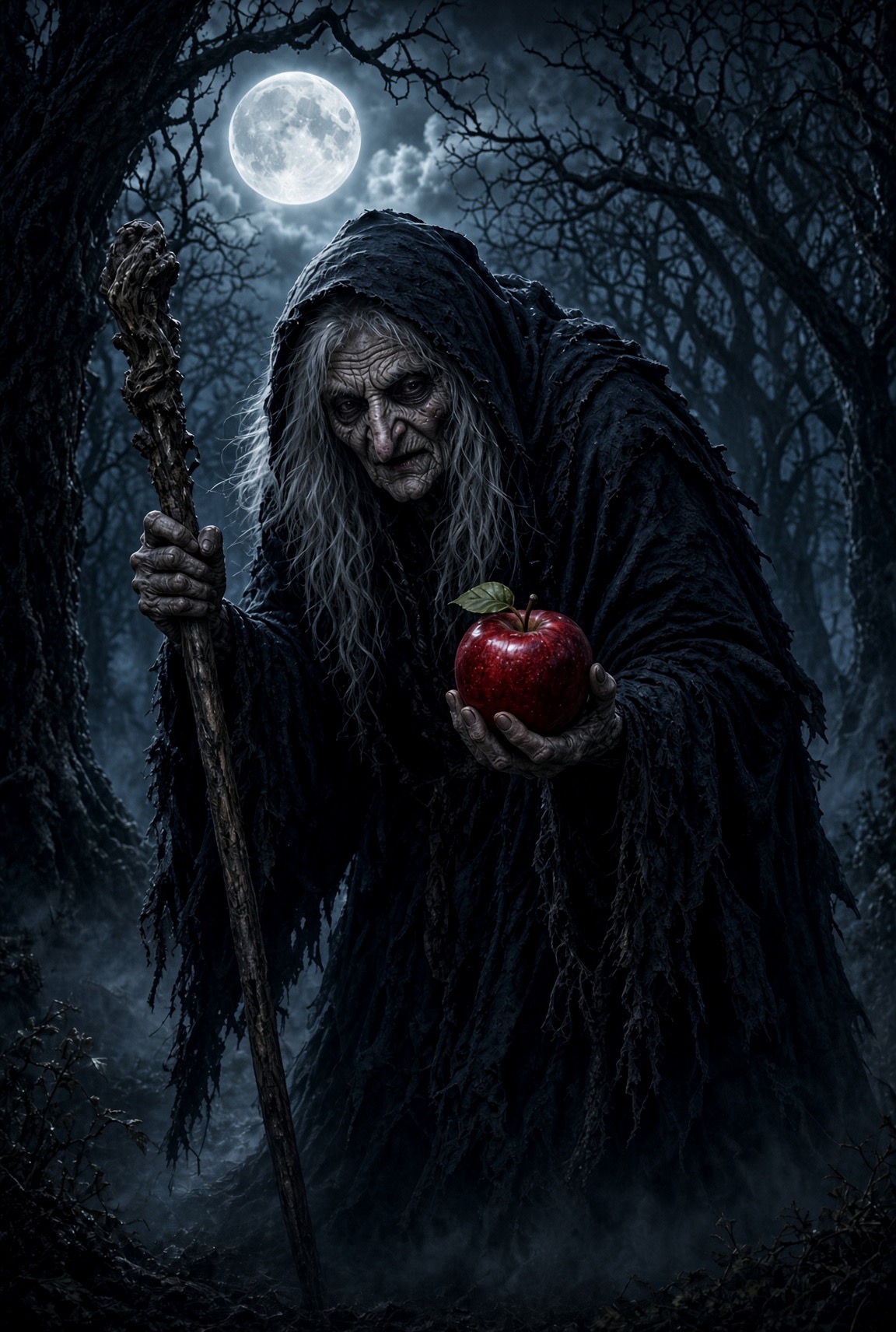
The images below are all AI-generated by me with ChatGPT, Grok, and Google Gemini on my iPhone. Enjoy!

The 31 Days of Halloween! Click on the day number you want! 01 | 02 | 03 | 04 | 05 | 06 | 07 | 08 | 09 | 10 | 11 | 12 | 13 | 14 | 15 | 16 | 17 | 18 | 19 | 20 | 21 | 22 | 23 | 24 | 25 | 26 | 27 | 28 | 29 | 30 | 31
George
|