 Two Goats and a Donkey! Two Goats and a Donkey!
On The 24th Day of Halloween
Saturday, October 24, 2026
History of Halloween and the Costumes People Wear For It
Today, Halloween is one of the most recognizable celebrations in the United States. Each October, houses are covered with artificial cobwebs, pumpkins glow from porches, stores fill with candy, and millions of children transform themselves into witches, superheroes, ghosts, monsters, and characters from popular culture. Adults participate just as enthusiastically, attending costume parties dressed as everything from vampires and historical figures to celebrities and elaborate fantasy creations. Halloween has become so thoroughly Americanized that it is easy to imagine children trick-or-treating through American streets since colonial times.
The actual history is considerably more complicated.
There was no single documented “first Halloween” celebrated throughout what became the United States. Instead, Halloween emerged gradually from European traditions brought to North America by immigrants. Customs from the British Isles—particularly Ireland and Scotland—mixed with existing American harvest celebrations, Protestant religious attitudes, Native American influences, African American traditions, and eventually the enormous power of American commerce and popular culture.
The history of the Halloween costume tells much of this story. What began with masks, disguises, homemade clothing, and supernatural imagery eventually became an industry involving mass-produced costumes, Hollywood characters, superheroes, elaborate adult disguises, and increasingly sophisticated forms of personal expression.
Before Halloween Was American
The deepest roots of Halloween reach back into European history.
The Gaelic festival of Samhain marked the seasonal transition into winter around the beginning of November. Medieval Irish literature portrays Samhain as a time of gatherings, feasting, and supernatural encounters. Over centuries, these seasonal traditions interacted with the Christian observances of All Saints' Day on November 1 and All Souls' Day on November 2.
The evening before All Saints became known as All Hallows' Eve, eventually shortened to Halloween.
In Ireland and Scotland, traditions surrounding the season included fires, divination games, storytelling, seasonal foods, visits from house to house, and disguises. Scottish and Irish guising involved people wearing disguises and traveling between homes, sometimes performing songs, recitations, jokes, or other entertainment in exchange for food or gifts.
Masks and disguises were particularly appropriate to a season associated with supernatural activity. By concealing the face, an ordinary person could temporarily become something else.
This idea would eventually become central to American Halloween.
Halloween in Colonial America
Halloween was not universally celebrated by the earliest European colonists in North America.
The Puritans of New England generally rejected celebrations they considered connected with Catholicism, superstition, or pre-Christian customs. Halloween therefore had relatively little importance in Puritan New England.
Other colonies were culturally different.
Settlers from various European backgrounds brought autumn traditions involving harvest celebrations, fortune-telling, storytelling, games, and social gatherings. Some customs resembled those later associated with Halloween even when participants did not necessarily call the occasion Halloween.
This makes identifying America's “first Halloween” virtually impossible.
There was no moment when Americans collectively decided to begin celebrating October 31. Instead, Halloween customs entered different communities at different times.
The United States itself did not exist until 1776, and the early republic remained overwhelmingly rural. Seasonal celebrations depended heavily upon local culture, religion, ethnicity, and geography.
Halloween therefore began in America not as a national holiday but as a collection of traditions.
Irish and Scottish Immigration
The transformation accelerated dramatically during the nineteenth century.
Large numbers of Irish immigrants arrived in the United States, particularly during and after the Great Famine of the 1840s. Scottish immigrants also carried traditions from their homeland.
With them came customs associated with Halloween.
Americans increasingly encountered fortune-telling games, disguises, supernatural stories, seasonal gatherings, and other practices familiar in Ireland and Scotland.
Even the jack-o'-lantern changed in America.
In Ireland, turnips and other root vegetables had been carved into lanterns or grotesque faces. In North America, immigrants encountered pumpkins in abundance. Pumpkins were much larger and easier to carve.
The American jack-o'-lantern was born.
Halloween gradually became less ethnically specific and increasingly national.
Nineteenth-Century Halloween Costumes
The nineteenth-century Halloween costume would often have looked very different from today's store-bought outfit.
Costumes were generally homemade.
Old clothing, sheets, shawls, coats, hats, soot, flour, cloth masks, and whatever materials happened to be available could transform someone into a frightening or mysterious figure.
Ghosts were simple to create.
Witches required little more than dark clothing.
Masks could be crude, unsettling, and deliberately anonymous.
This anonymity was important. Early disguising traditions were not necessarily attempts to portray a particular fictional character accurately. The objective was often simply to conceal identity.
A disguised person temporarily became unknown.
That made Halloween exciting, but it could also make it disorderly.
Groups of young people sometimes used the holiday as an opportunity for pranks. Gates disappeared. Windows were soaped. Wagons were moved. Outhouses were overturned. Property could be damaged.
By the late nineteenth and early twentieth centuries, American communities increasingly attempted to transform Halloween from a night of mischief into a controlled social celebration.
The costume became part of that transformation.
The Halloween Party Emerges
By the late nineteenth century, Halloween parties had become fashionable, particularly among young adults.
These gatherings often emphasized romance and fortune-telling as much as fear.
Young women might perform rituals supposedly revealing the identity of a future husband. Apples, mirrors, candles, nuts, and strings became tools of playful divination.
Costumes reflected this atmosphere.
Witches, ghosts, fortune-tellers, devils, and supernatural figures were popular, but costumes could also represent historical characters, exoticized stereotypes, rural figures, or humorous personalities.
Halloween was becoming theatrical.
People were no longer disguising themselves solely to become anonymous.
Increasingly, they were dressing as someone or something.
That distinction would define the twentieth-century Halloween costume.
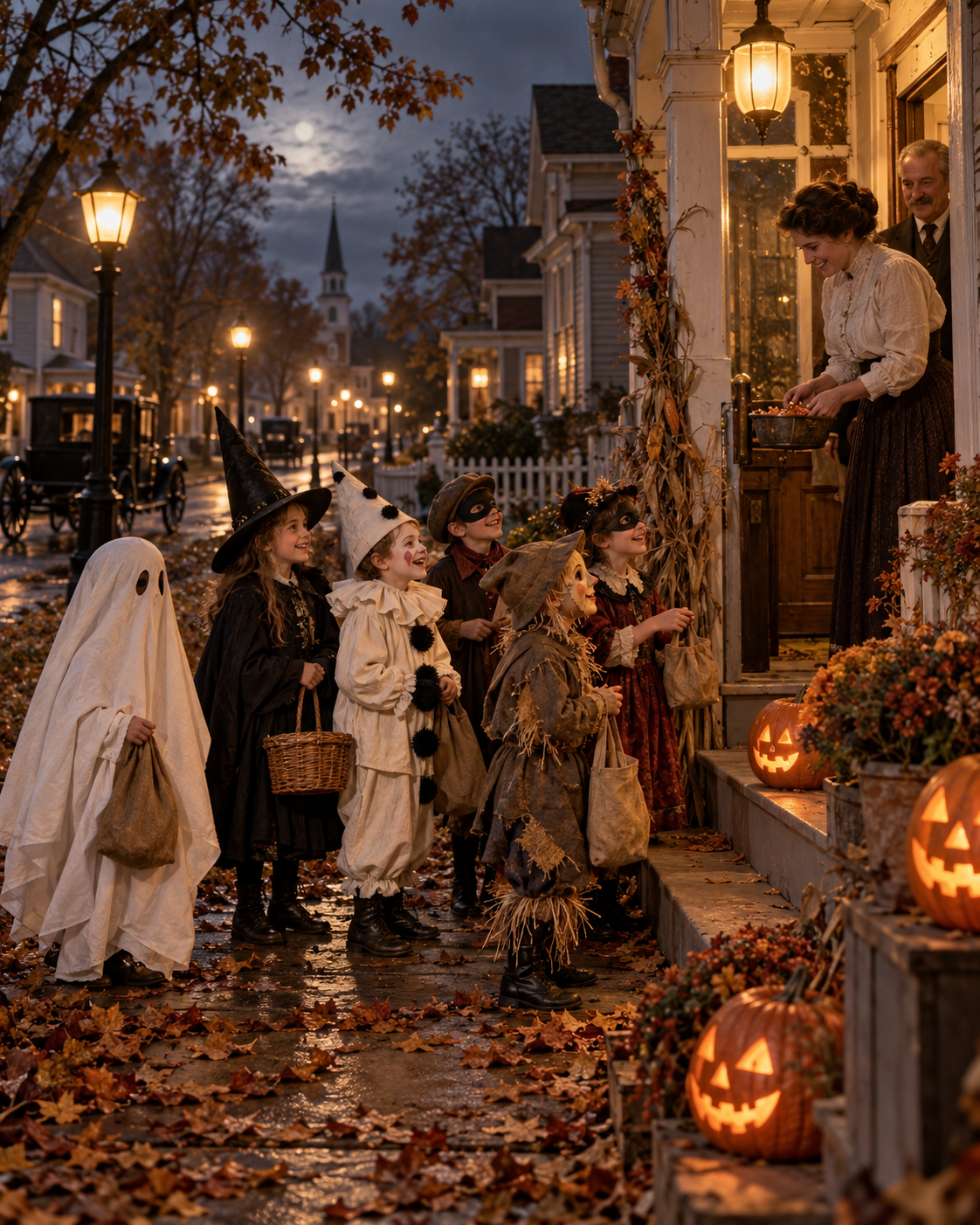 The 1900s and 1910s: Homemade Halloween
At the beginning of the twentieth century, most children's Halloween costumes remained homemade.
A child might wear an old sheet as a ghost, dark clothing as a witch, or a handmade mask constructed from paper, cloth, or cardboard.
Adults attending Halloween parties could be considerably more elaborate.
Women's magazines and newspapers published suggestions for Halloween decorations, party games, and costumes. Black and orange became increasingly established as the holiday's dominant colors.
Witches, black cats, bats, owls, devils, ghosts, and jack-o'-lanterns became standardized visual symbols.
Costumes began reflecting these images.
Halloween was developing its own recognizable aesthetic.
The 1920s: Halloween Becomes Fashionable
The 1920s brought enormous social change to the United States, and Halloween participated in the transformation.
Urbanization expanded. Mass entertainment flourished. Movies became increasingly influential. Advertising reached millions of households.
Halloween parties became extremely popular.
Adult costumes could be glamorous, mysterious, humorous, or provocative by the standards of the era. Masquerade traditions blended naturally with Halloween.
Children continued wearing homemade disguises, but manufacturers increasingly recognized that Halloween represented a commercial opportunity.
Paper masks, decorations, and costume accessories could now be purchased.
The transformation from folk celebration to consumer holiday had begun.
The 1930s: The Rise of Mass-Produced Costumes
During the 1930s, commercially manufactured Halloween costumes became increasingly important.
Companies produced inexpensive masks and outfits designed specifically for children.
At the same time, American popular culture was creating an entirely new collection of monsters.
Universal Pictures released films such as Dracula and Frankenstein in 1931, followed by The Mummy, The Invisible Man, Bride of Frankenstein, and other horror classics.
Suddenly children did not merely dress as generic monsters.
They could become Dracula or Frankenstein's monster.
Cinema was beginning to determine what America looked like on Halloween.
The 1940s: Halloween During Wartime
World War II affected Halloween just as it affected nearly every aspect of American life.
Sugar rationing limited candy, while wartime restrictions and shortages influenced celebrations.
Costumes remained relatively simple. Homemade ghosts, witches, hobos, cowboys, soldiers, pirates, and familiar characters remained common.
After the war, however, Halloween entered a period of explosive growth.
The baby boom created millions of children.
Suburban neighborhoods provided ideal environments for door-to-door trick-or-treating.
Television introduced characters directly into American homes.
The modern children's Halloween was about to emerge.
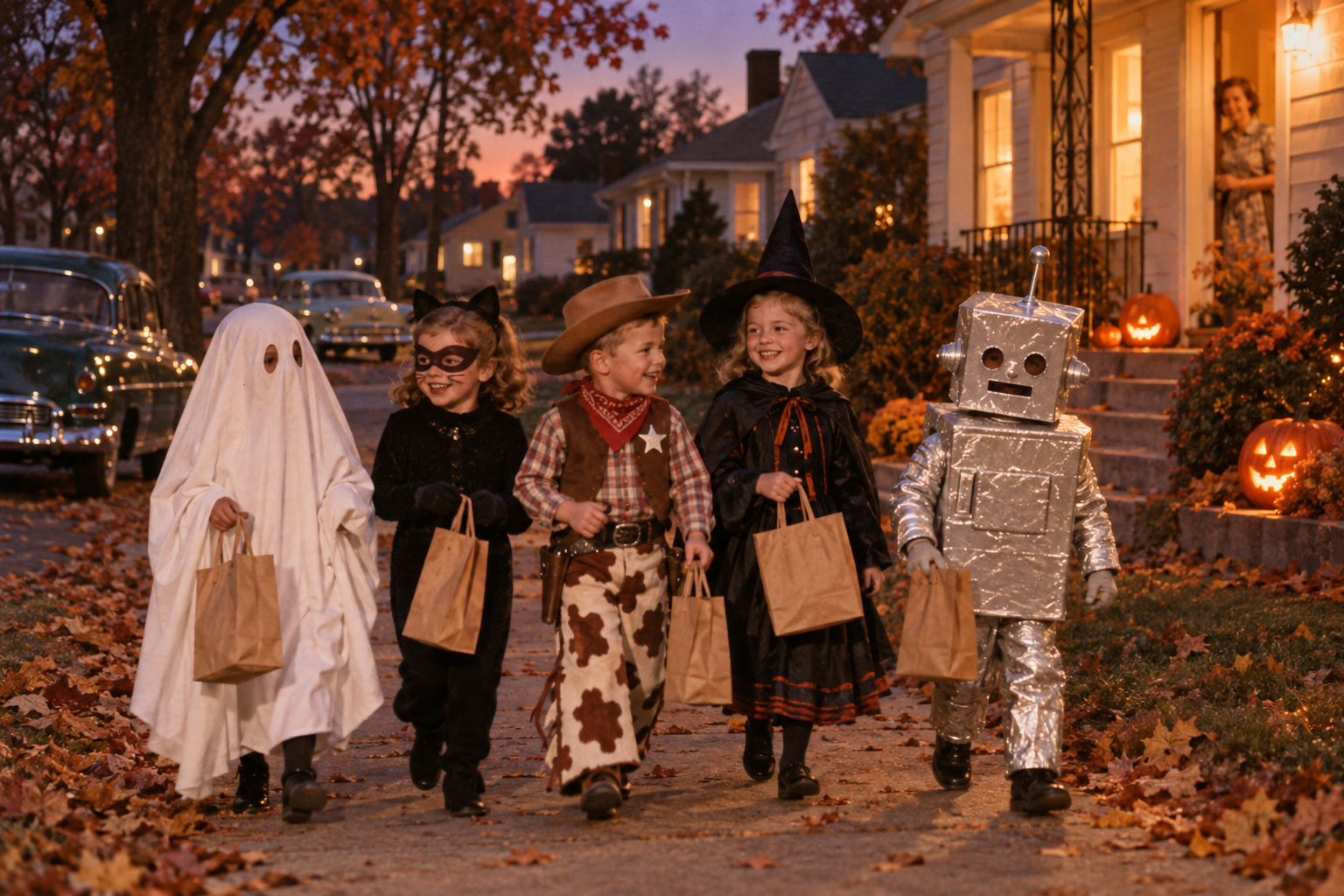 The 1950s: Trick-or-Treating Takes Over The 1950s: Trick-or-Treating Takes Over
The 1950s helped establish the form of Halloween that Americans recognize today.
Trick-or-treating became enormously popular in suburban communities. Rather than allowing children to roam freely committing pranks, communities encouraged them to visit homes requesting treats.
Costumes became increasingly commercial.
One particularly common design consisted of a thin plastic mask secured by elastic and a brightly printed fabric or plastic smock identifying the character.
Children could now become television cowboys, cartoon characters, superheroes, princesses, monsters, and celebrities.
For many children, Halloween was no longer primarily about becoming frightening.
It was about becoming a favorite character.
This was a revolutionary change.
The 1960s: Television Takes Command
By the 1960s, television had become one of the most powerful influences upon children's costumes.
Superheroes, cartoon characters, astronauts, cowboys, monsters, and television personalities filled Halloween streets.
The space race produced astronauts and aliens.
Batman and other comic-book heroes became increasingly visible.
Classic monsters remained popular, but they now competed with popular culture.
Adults continued attending costume parties, although adult Halloween was still less commercially dominant than children's Halloween.
The distinction was becoming clear: children's costumes increasingly represented fantasy and entertainment, while adults often used Halloween for humor, masquerade, and social experimentation.
The 1970s: Horror Returns
The 1970s brought Halloween closer to horror again.
Movies such as The Exorcist, Carrie, and eventually Halloween itself transformed American horror culture.
Costumes became darker and sometimes more graphic.
At the same time, science fiction exploded in popularity. Star Wars arrived in 1977 and almost immediately influenced Halloween costumes.
Children could be Darth Vader.
They could also be superheroes, monsters, princesses, or television characters.
Halloween had become a mirror of American entertainment.
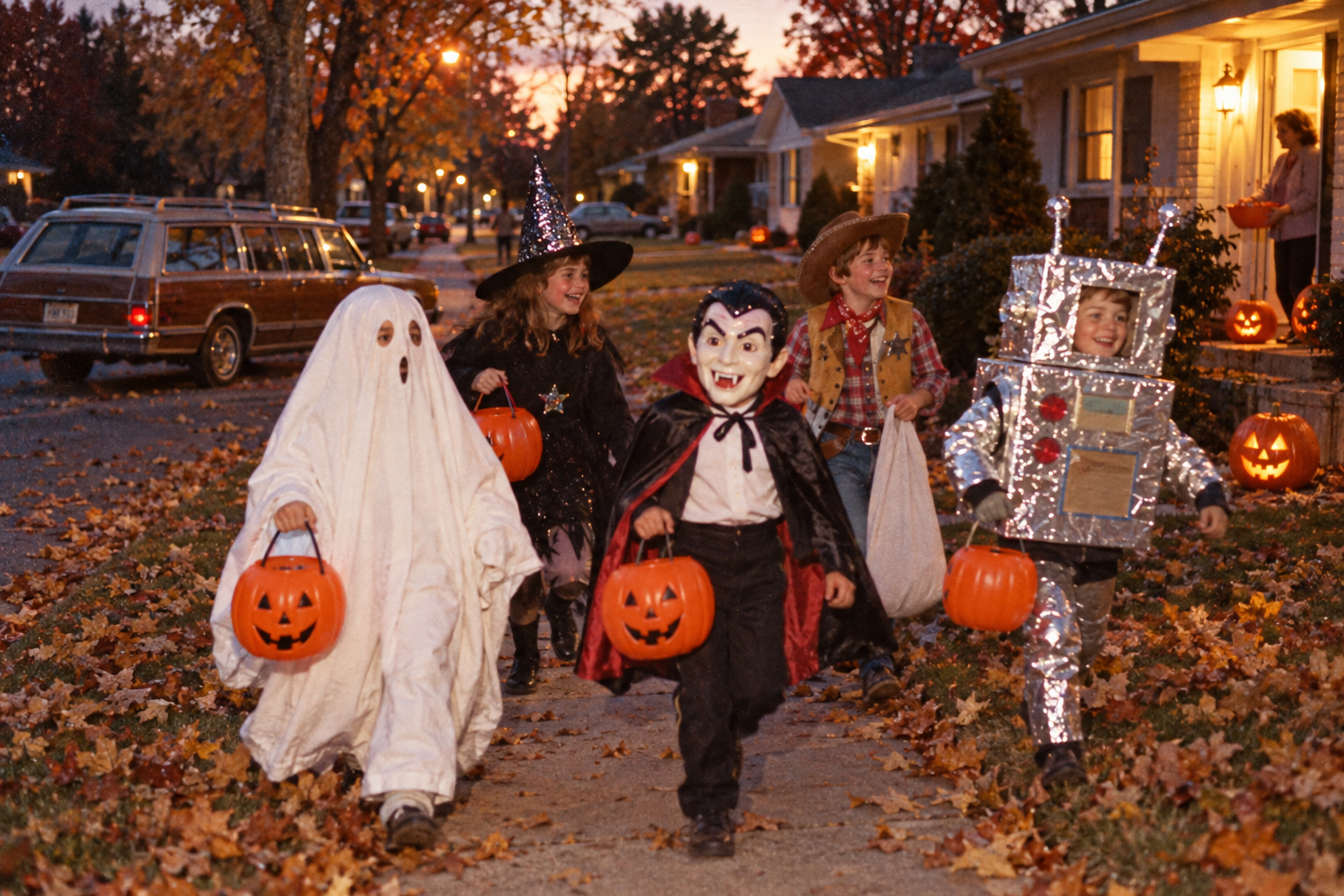 The 1980s: The Pop-Culture Explosion The 1980s: The Pop-Culture Explosion
The 1980s may represent one of the greatest transformations in Halloween costume history.
Cable television, blockbuster movies, music videos, toy franchises, and home video produced an enormous library of recognizable characters.
Children dressed as characters from Star Wars, Ghostbusters, He-Man, Teenage Mutant Ninja Turtles, and countless cartoons.
Horror developed its own celebrities.
Michael Myers, Jason Voorhees, and Freddy Krueger became instantly recognizable Halloween figures.
This was something new.
Earlier generations had dressed as generic ghosts, witches, and monsters. Now people dressed as specific monsters with names.
Adult Halloween also expanded dramatically.
Bars, nightclubs, workplaces, and private parties increasingly hosted costume events.
Costumes could be sexy, absurd, satirical, nostalgic, frightening, or elaborate.
Halloween was no longer primarily a children's holiday.
Adults were reclaiming it.
The 1990s: Halloween Becomes Universal
During the 1990s, Halloween became deeply integrated into American popular culture.
Retail stores devoted entire seasonal departments to costumes.
Temporary Halloween stores appeared.
Costumes represented movies, television programs, video games, musicians, politicians, celebrities, and current events.
Children continued favoring superheroes, princesses, monsters, and cartoon characters.
Adults increasingly treated Halloween costumes as opportunities for creativity and humor.
Group costumes also became more common. Friends could collectively portray the cast of a television program, characters from a movie, or members of a famous band.
Halloween costume culture was becoming social performance.
The 2000s: The Internet Changes Halloween
The internet transformed costume culture again.
People could now search for inspiration, purchase specialized costumes, share photographs, and learn elaborate makeup techniques.
Cosplay culture increasingly overlapped with Halloween.
A costume no longer needed to be something purchased from a store.
Enthusiasts constructed armor, prosthetics, wings, masks, and historically inspired clothing.
Adults became an increasingly important part of the Halloween market.
Meanwhile, children's costumes continued following popular entertainment. Harry Potter, superheroes, animated characters, and fantasy figures dominated many neighborhoods.
The difference between children's and adult Halloween became increasingly blurred.
Both groups now participated in fantasy.
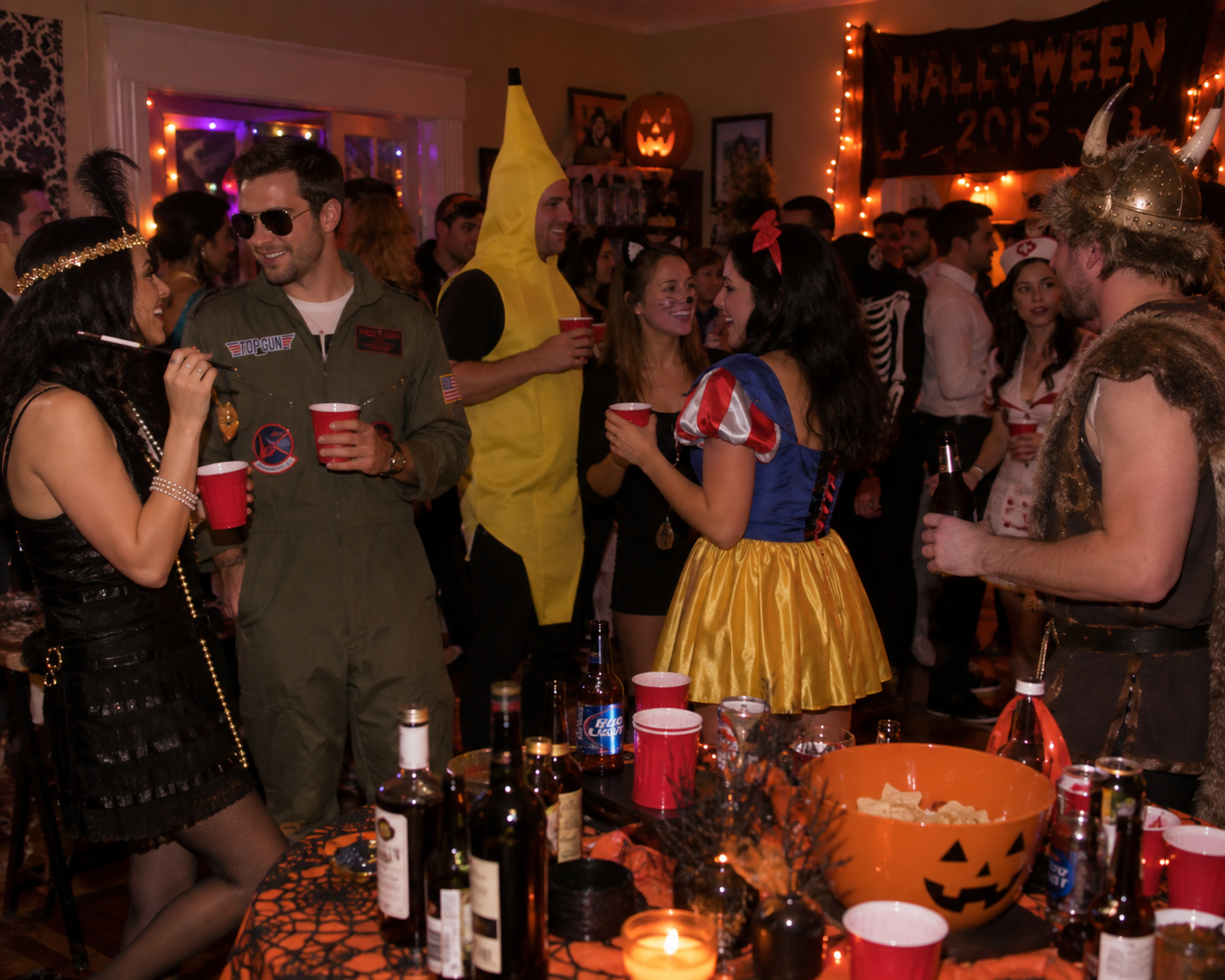 The 2010s: Social Media and the Costume as Performance The 2010s: Social Media and the Costume as Performance
Social media transformed the costume from something worn primarily for people physically present into something created for an online audience.
Instagram, YouTube, Pinterest, TikTok, and other platforms allowed Halloween creativity to spread rapidly.
Makeup became extraordinarily sophisticated.
People created optical illusions, realistic wounds, skeletal faces, zombies, demons, and transformations requiring hours of work.
Halloween costumes became photographic performances.
Adults increasingly planned costumes around how they would appear in pictures.
Couples costumes became popular.
Group costumes became more coordinated.
Pets even joined the tradition.
Meanwhile, concerns about cultural stereotypes became increasingly prominent. Costumes depicting racial, ethnic, or religious groups in caricature were challenged more openly. The question of what constituted an appropriate costume became part of the broader cultural conversation surrounding Halloween.
The 2020s: Anything Can Become a Costume
By the 2020s, Halloween costume possibilities had become nearly limitless.
Children still dress as witches, ghosts, vampires, and skeletons—the same supernatural figures that appeared generations ago.
But beside them walk superheroes, video-game characters, anime figures, dinosaurs, princesses, internet personalities, and characters from streaming television.
Adult costumes are even more diverse.
Some adults spend hundreds or thousands of dollars creating elaborate costumes. Others deliberately construct costumes from thrift-store clothing or household objects.
Some seek terror.
Some seek beauty.
Some seek comedy.
Some seek nostalgia.
And some simply want to become someone else for one night.
From Concealment to Transformation
Perhaps the greatest change in American Halloween costumes is the purpose of the disguise itself.
The earliest disguising traditions emphasized concealment.
The mask hid identity.
A person entered the night anonymously.
Modern costumes usually emphasize transformation.
The wearer wants others to recognize what they have become.
A child dressed as Spider-Man wants someone to say, “You're Spider-Man!”
An adult dressed as Dracula wants to be recognized as Dracula.
The costume no longer merely hides the wearer.
It creates another identity.
Children and Adults
Children's costumes have generally followed imagination and popular culture.
A child can become powerful, magical, frightening, beautiful, heroic, or impossible.
For a few hours, ordinary limitations disappear.
Adults use costumes somewhat differently.
Adult Halloween often permits experimentation with identity, humor, attractiveness, nostalgia, fear, and social roles. Adults can parody their occupations, imitate celebrities, revisit childhood characters, or transform themselves through makeup and clothing.
Yet the fundamental impulse is shared.
For one night, people step outside themselves.
The Ancient Idea Inside the Modern Costume
Modern Halloween bears little outward resemblance to Samhain.
Ancient Gaelic communities did not have superhero costumes, plastic masks, Hollywood monsters, or neighborhood trick-or-treating.
Yet something surprisingly old survives within the modern costume.
Halloween remains a night of altered identity.
The living imitate the dead.
Humans become animals.
Adults become children again.
Children become heroes.
Faces disappear behind masks.
For a few hours, the normal rules governing appearance and identity become flexible.
That is why the costume may be one of Halloween's most enduring symbols.
The materials have changed—from cloth and soot to plastic masks, theatrical makeup, latex prosthetics, LEDs, and digitally designed accessories.
The characters have changed—from anonymous spirits to Dracula, Darth Vader, superheroes, and whatever character currently dominates popular culture.
The audience has changed too. Once the costume was seen by neighbors gathered around a fire or encountered along a dark road. Today it may be photographed and viewed by thousands of strangers online.
Yet the basic act remains recognizable.
Someone puts on a mask.
Someone becomes something else.
And Halloween begins.
There was therefore no single “first Halloween” in the United States. American Halloween emerged gradually as immigrant customs, autumn celebrations, Christian traditions, folklore, commercial entertainment, and popular culture blended together.
Its costumes tell that entire story.
The homemade ghost belongs to the folk tradition.
The witch recalls centuries of European folklore.
The vampire belongs partly to literature and cinema.
The superhero reflects comics and mass entertainment.
The elaborate adult costume reflects Halloween's transformation into a celebration for every generation.
From nineteenth-century guisers wearing improvised disguises to twenty-first-century children dressed as movie heroes, Halloween costumes have continually changed while preserving the same essential idea.
Halloween is the night when identity itself becomes a costume.
For most of the year, society asks us to be recognizable.
On Halloween, tradition gives us permission to become someone — or something — else.
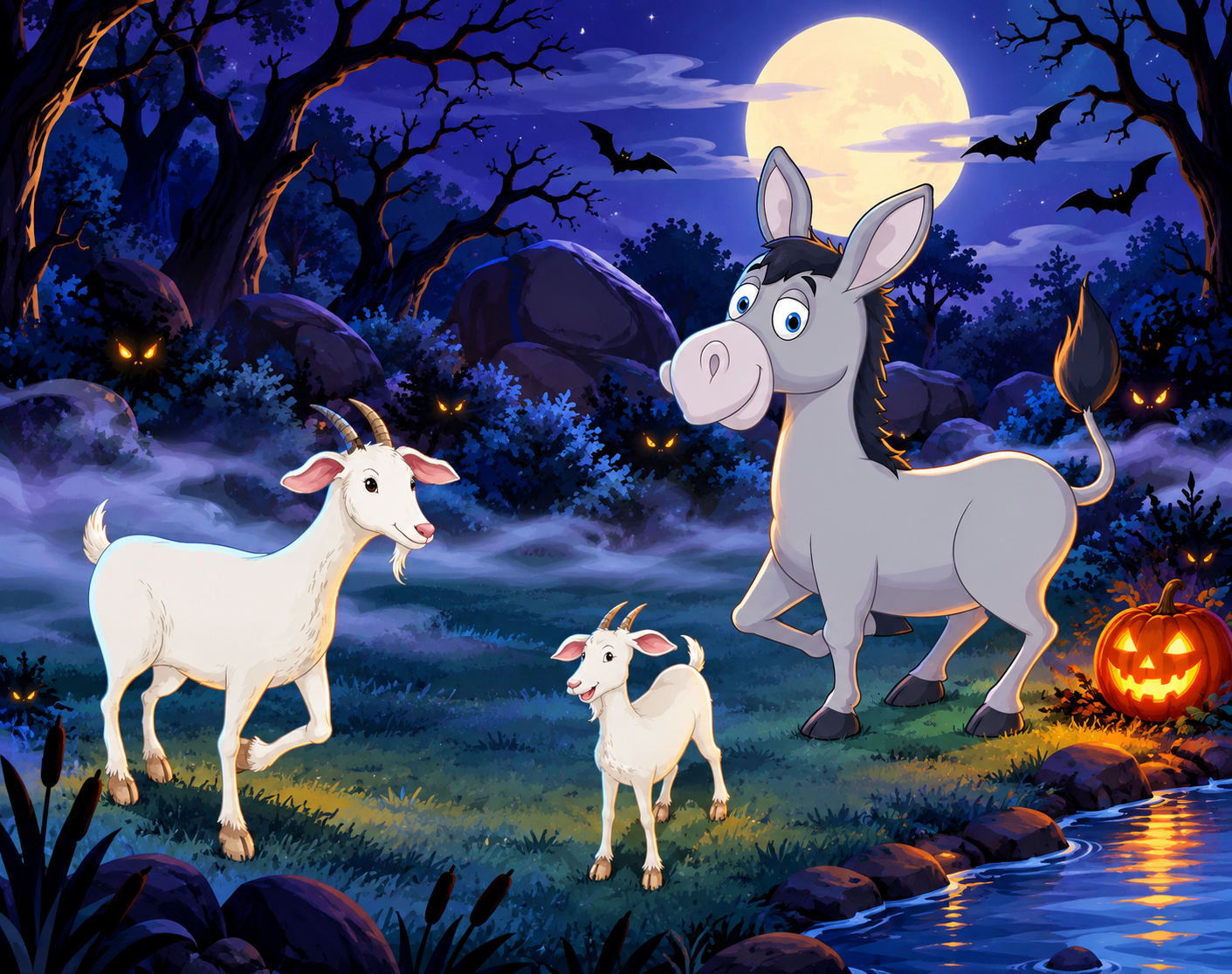
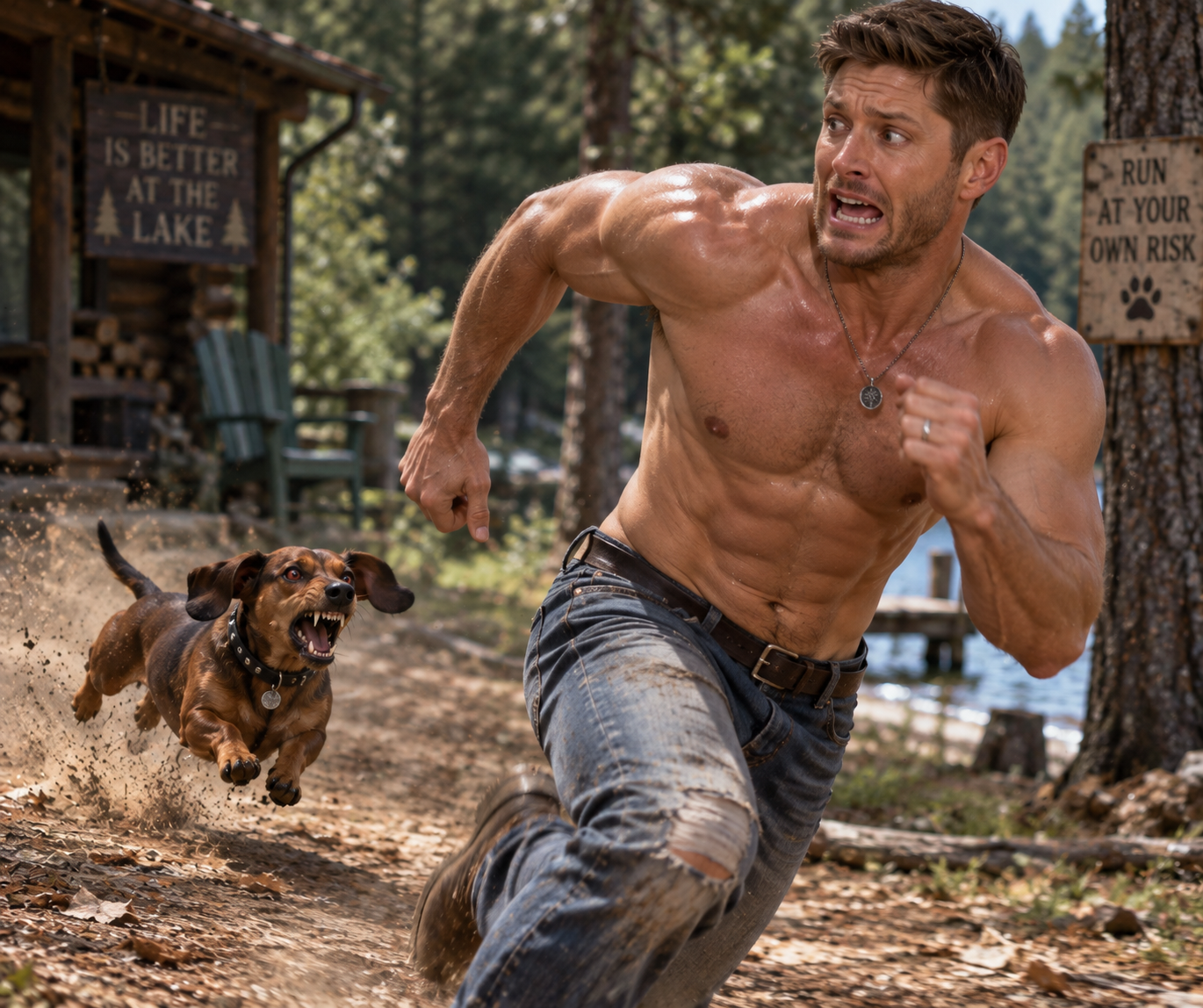
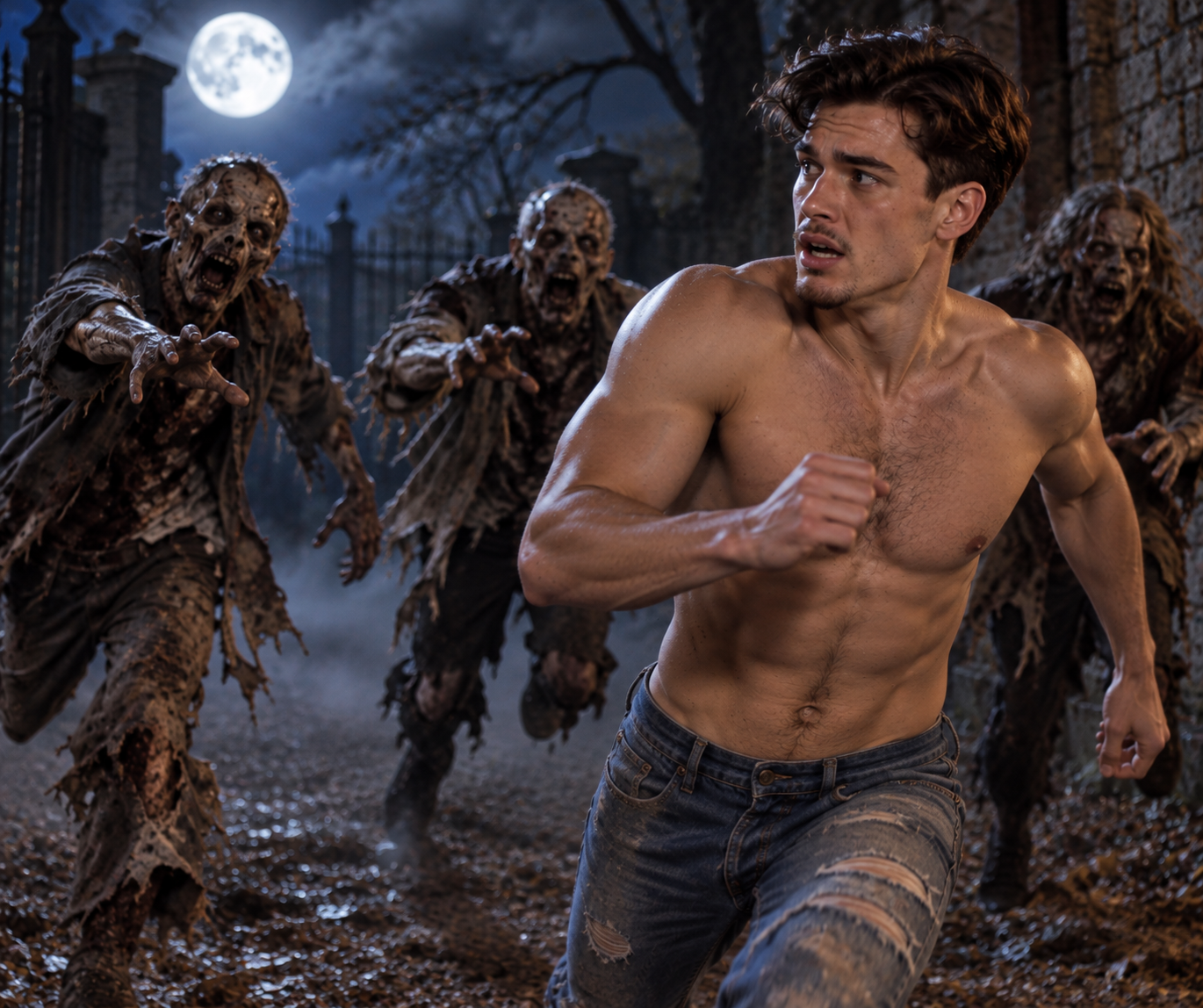
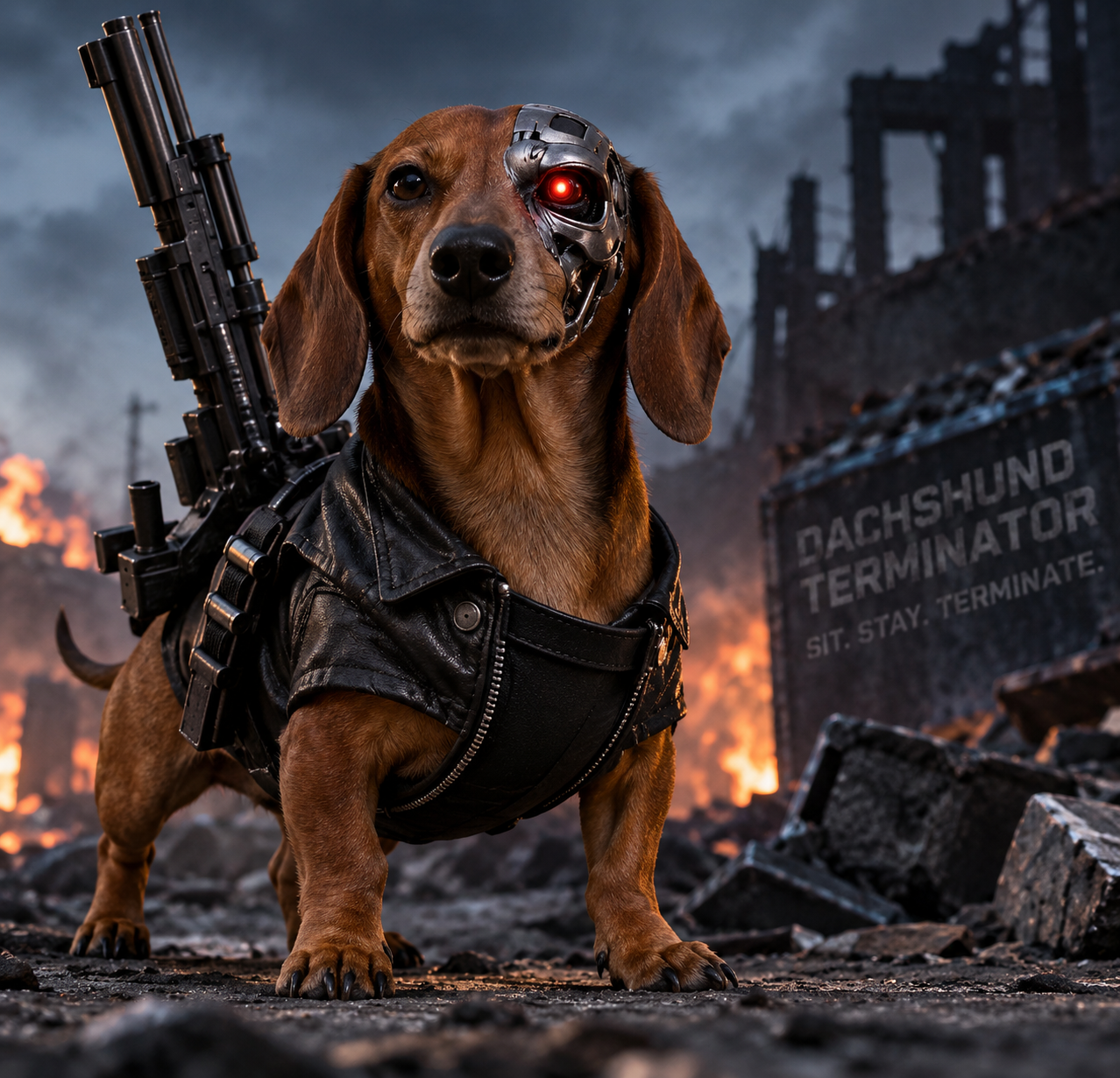
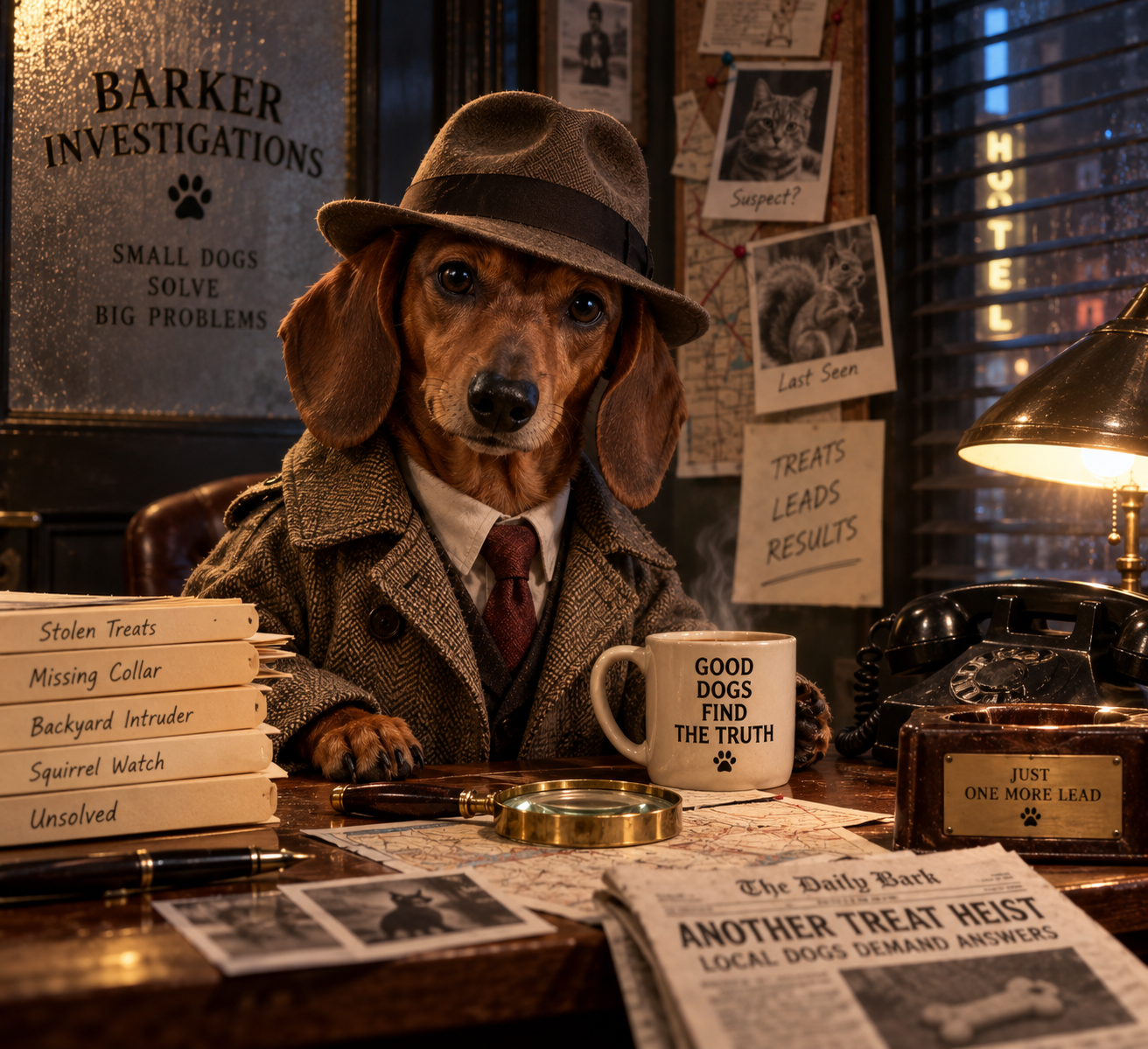
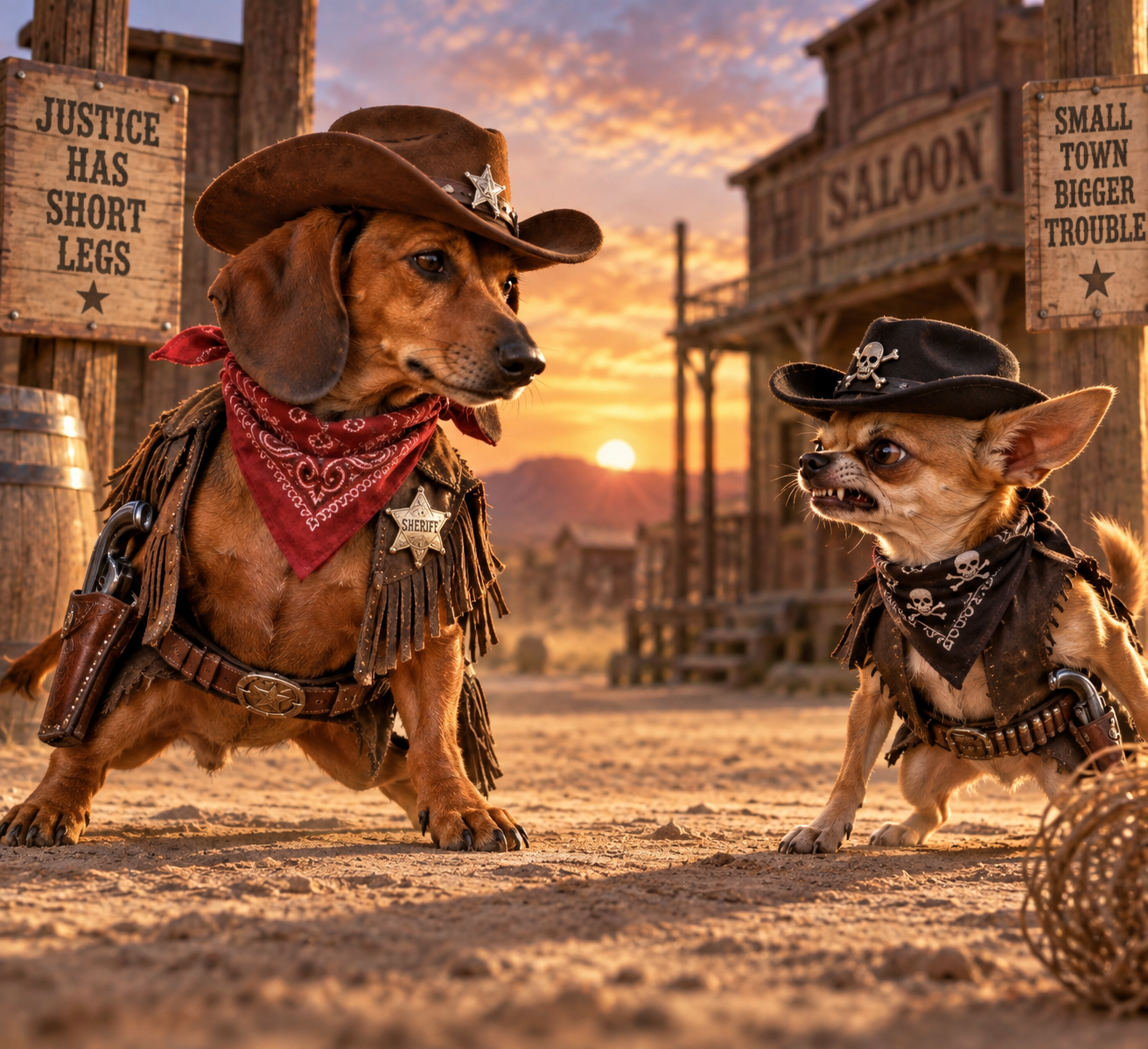
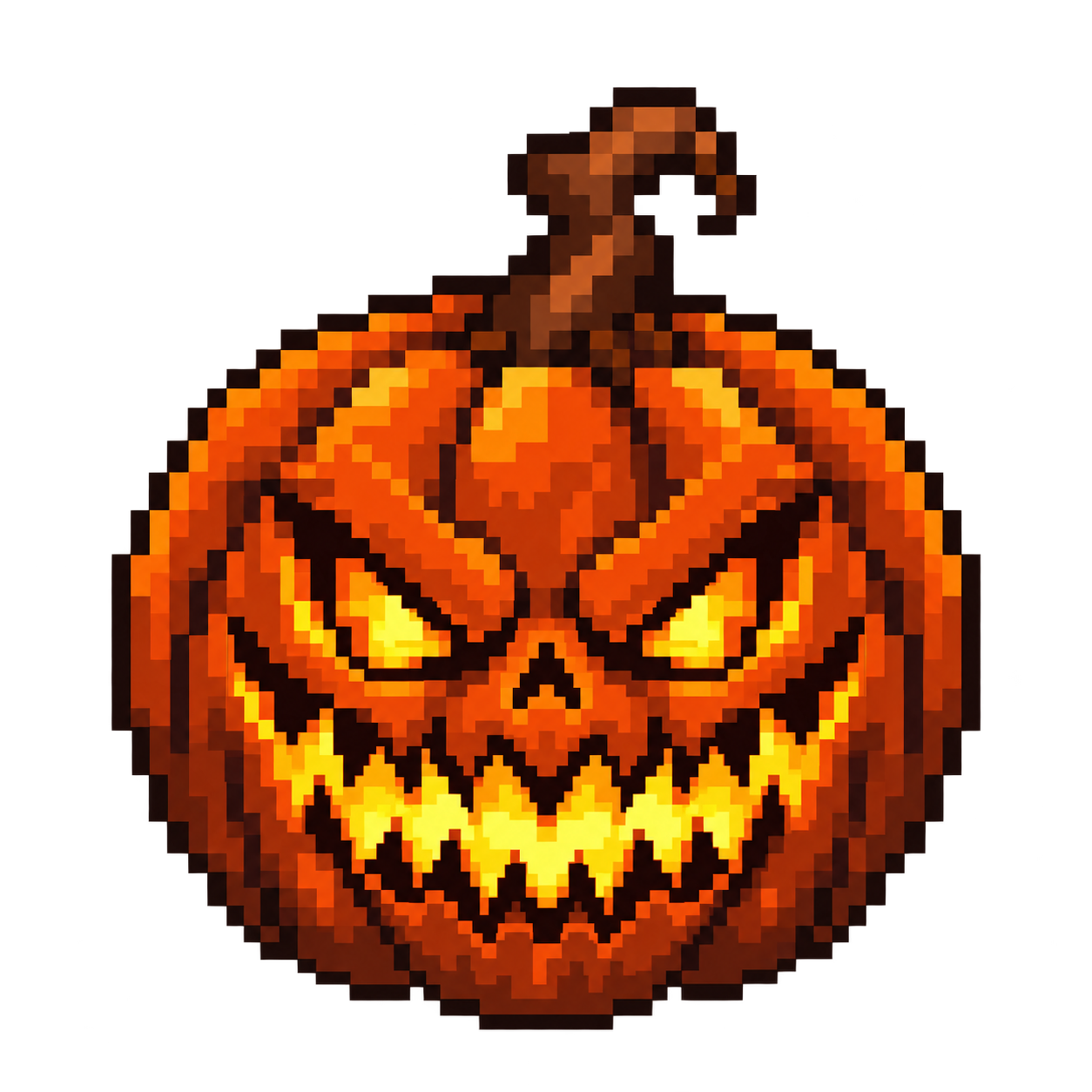
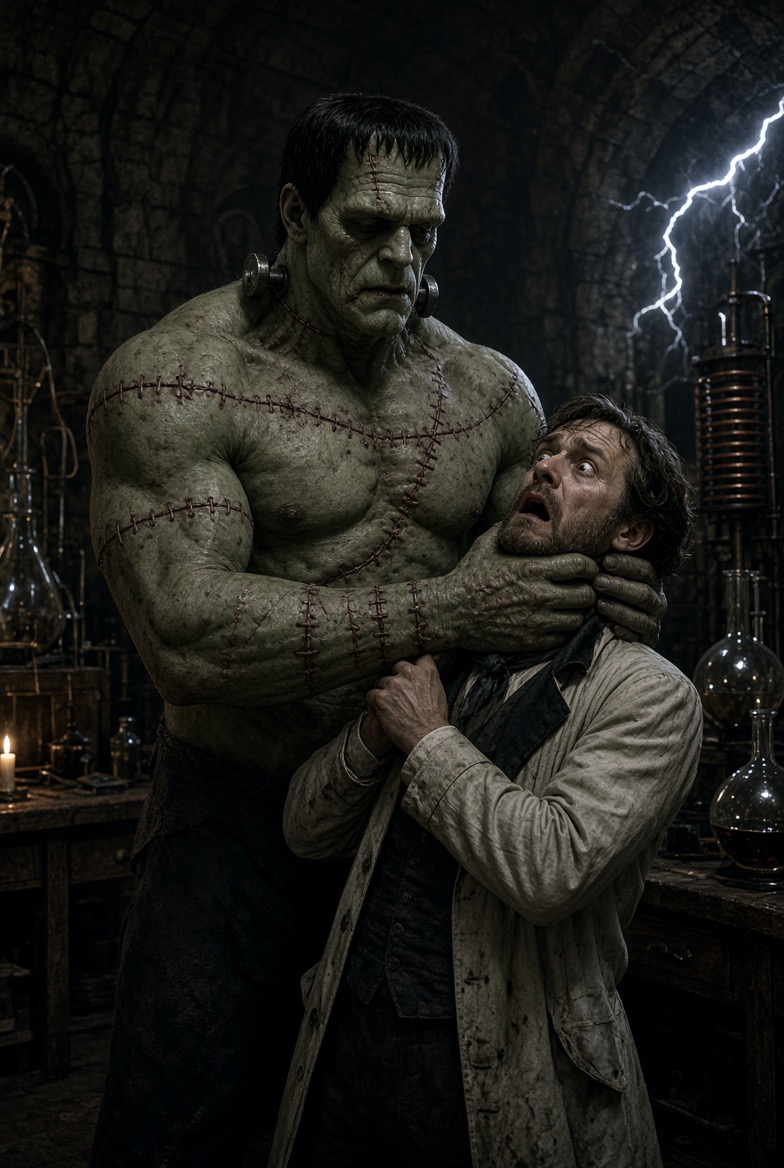
The images below are all AI-generated by me with ChatGPT, Grok, and Google Gemini on my iPhone. Enjoy!

The 31 Days of Halloween! Click on the day number you want! 01 | 02 | 03 | 04 | 05 | 06 | 07 | 08 | 09 | 10 | 11 | 12 | 13 | 14 | 15 | 16 | 17 | 18 | 19 | 20 | 21 | 22 | 23 | 24 | 25 | 26 | 27 | 28 | 29 | 30 | 31
George
|