Navigation:
Index
Splash Page |

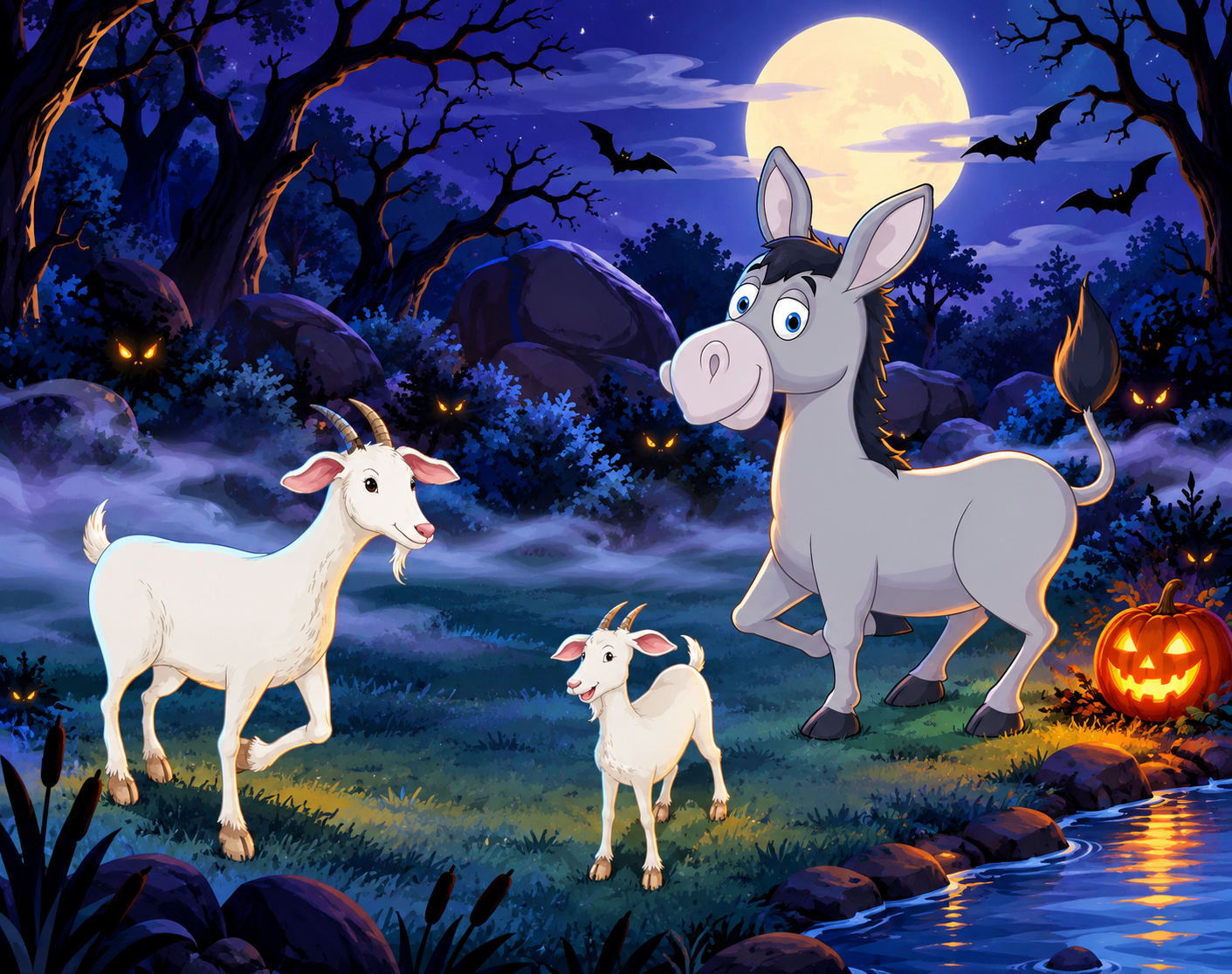
 Two Goats and a Donkey! Two Goats and a Donkey!
On The 11th Day of Halloween
Sunday, October 11, 2026
Origins of Sunday
The English word Sunday preserves one of the oldest and most widespread associations in the European seven-day week: the connection between the first day of the week and the sun. The Gaelic names for Sunday, however, followed a distinctly Christian path. Together, these traditions reveal how ancient celestial symbolism, Celtic culture, Roman influence, and Christianity shaped the names by which the days eventually became known.
The English Sunday comes from Old English Sunnandæg, literally meaning “Sun’s Day.” This followed the Roman planetary system, in which the day was known as dies Solis, the “day of the Sun.” When Germanic peoples adopted the seven-day week, they translated the Roman concept using their own word for the sun rather than retaining the Latin name. Related forms appeared throughout the Germanic world, eventually producing modern English Sunday.
The Gaelic names developed differently. Modern Irish calls Sunday Dé Domhnaigh, while Scottish Gaelic uses Didòmhnaich. These forms ultimately derive from Latin dominica, meaning “the Lord’s Day.” With the spread of Christianity, Sunday became the principal Christian day of worship, commemorating the Resurrection of Christ. Consequently, Gaelic terminology emphasized the sacred Christian character of the day rather than its older association with the sun.
Before Christianity, however, the sun held considerable importance throughout the Celtic world. Solar imagery appears frequently in Celtic art and archaeology, including wheels, spirals, circles, and other motifs sometimes interpreted as having celestial significance. Celtic religious traditions also included deities associated with brightness, fire, healing, and the heavens. The Irish god Lugh, for example, later acquired strong associations with light in popular interpretation, although describing him simply as a “sun god” goes beyond what the surviving early evidence securely establishes.
The agricultural year of Celtic-speaking peoples was also deeply connected with seasonal changes. Festivals such as Samhain, Imbolc, Beltane, and Lughnasadh divided important portions of the year, while the changing relationship between darkness and daylight naturally influenced agricultural and communal life.
There is no firm evidence, however, that the pre-Christian Gaels called Sunday the “day of the sun.” The seven-day planetary week itself spread through Celtic lands largely through Roman and Christian cultural influence.
Sunday therefore preserves two different traditions. English Sunday retains the ancient celestial association with the sun, while Irish Dé Domhnaigh and Scottish Gaelic Didòmhnaich proclaim it the “Lord’s Day.” Behind both lies an older Celtic world profoundly attentive to seasonal cycles, light, darkness, and the rhythms of nature. In the name of Sunday, ancient celestial timekeeping and Christian sacred time meet at the beginning of another week.
And the sun goes down on Sunday!
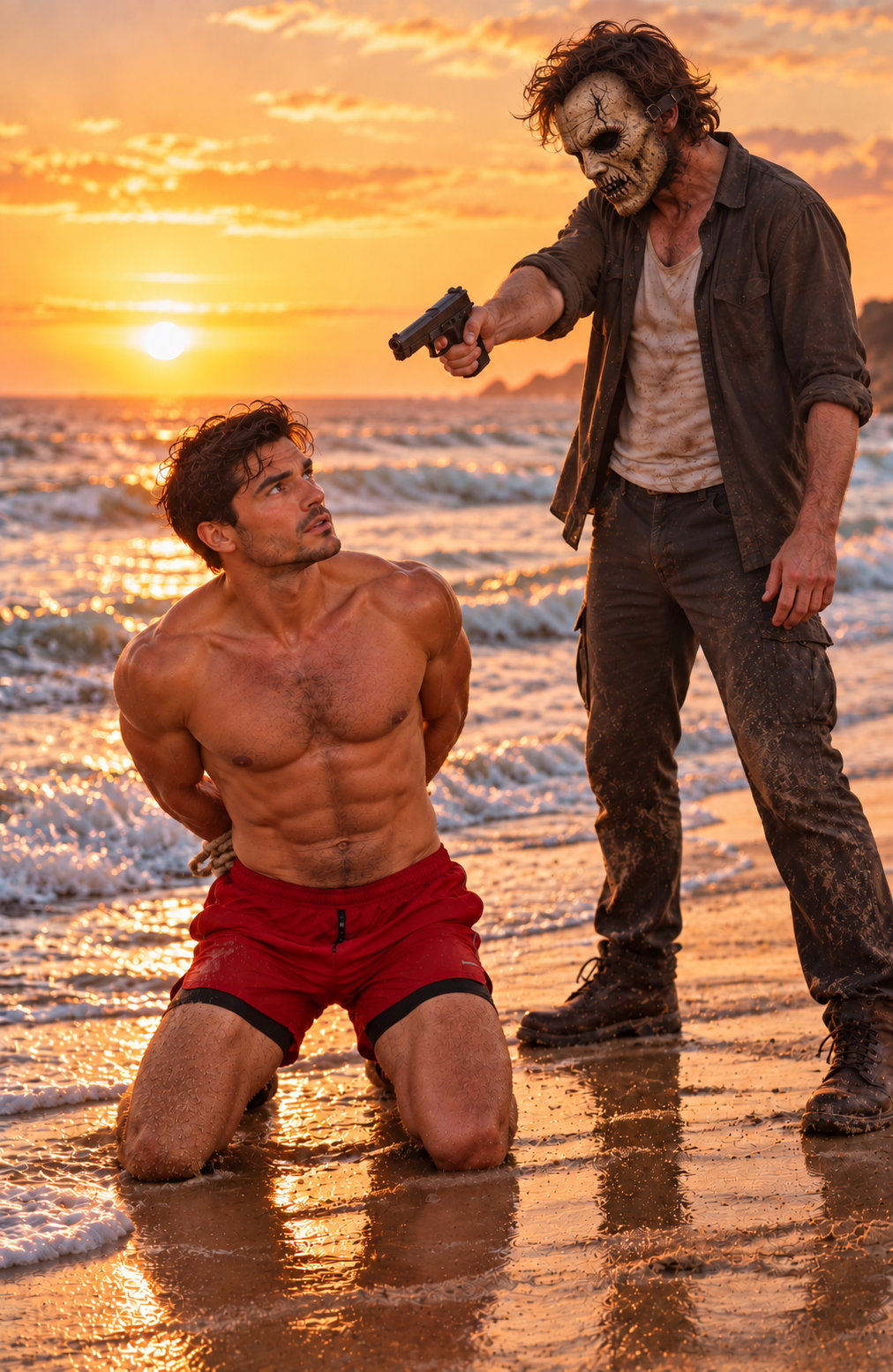
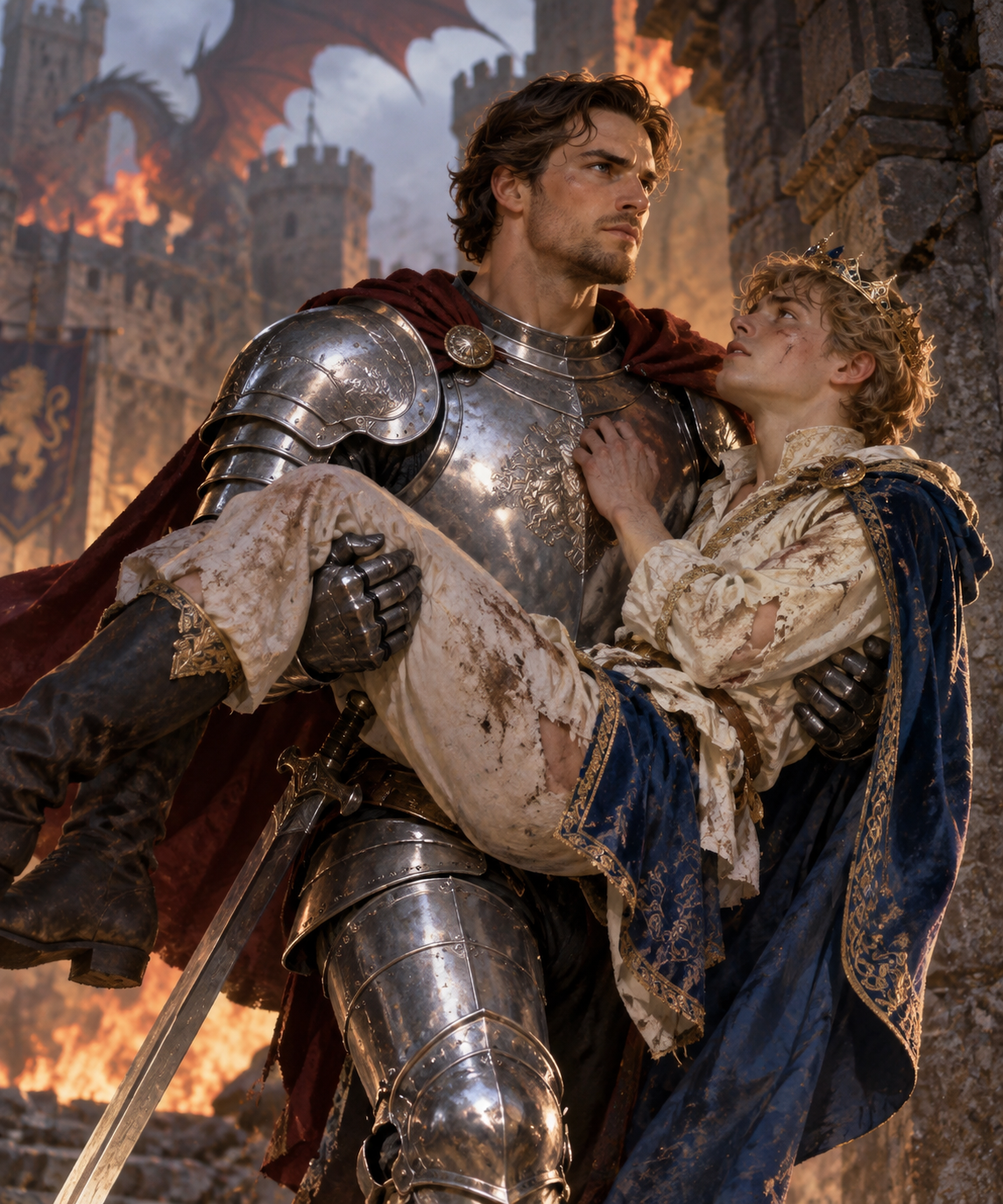
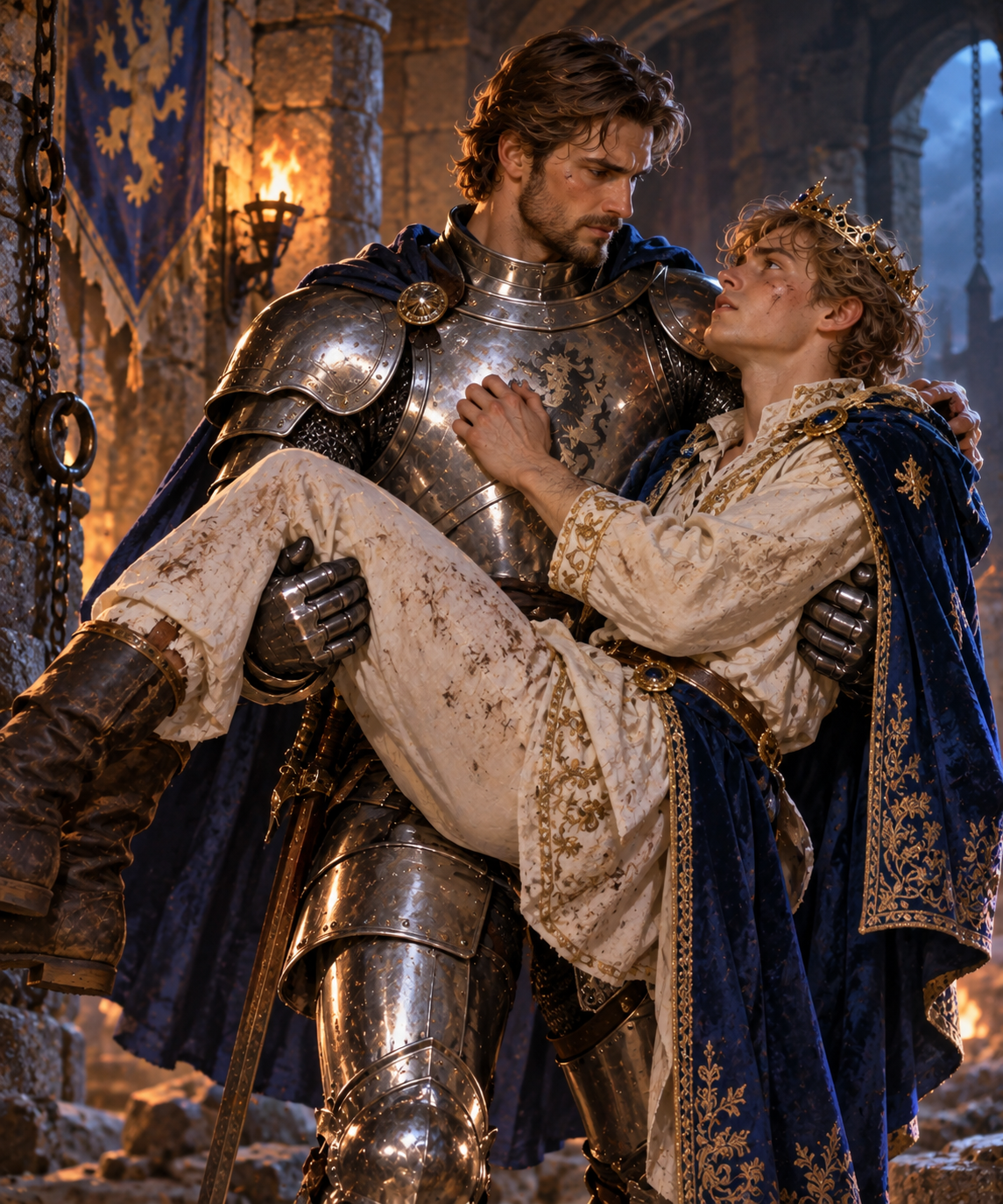
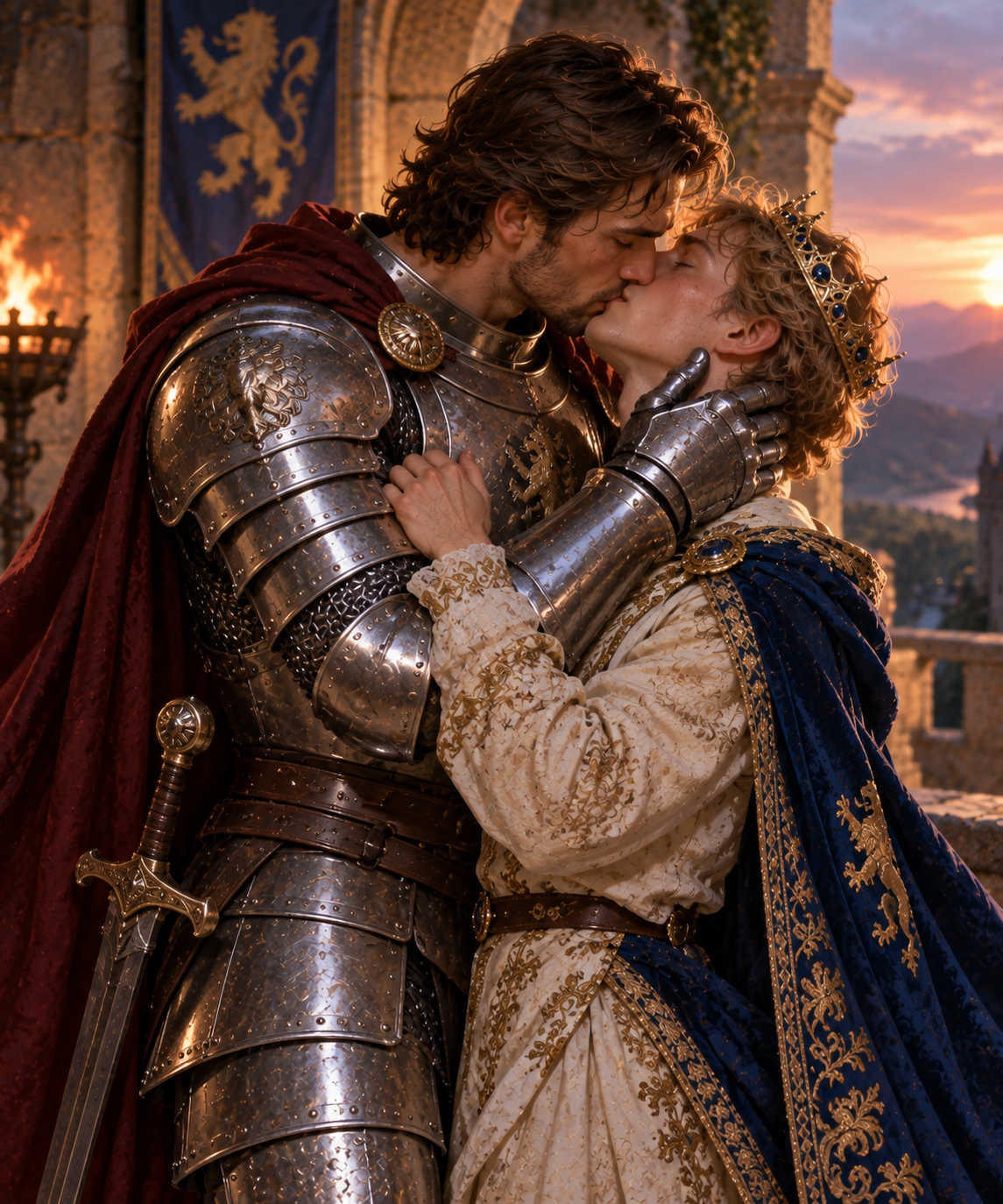
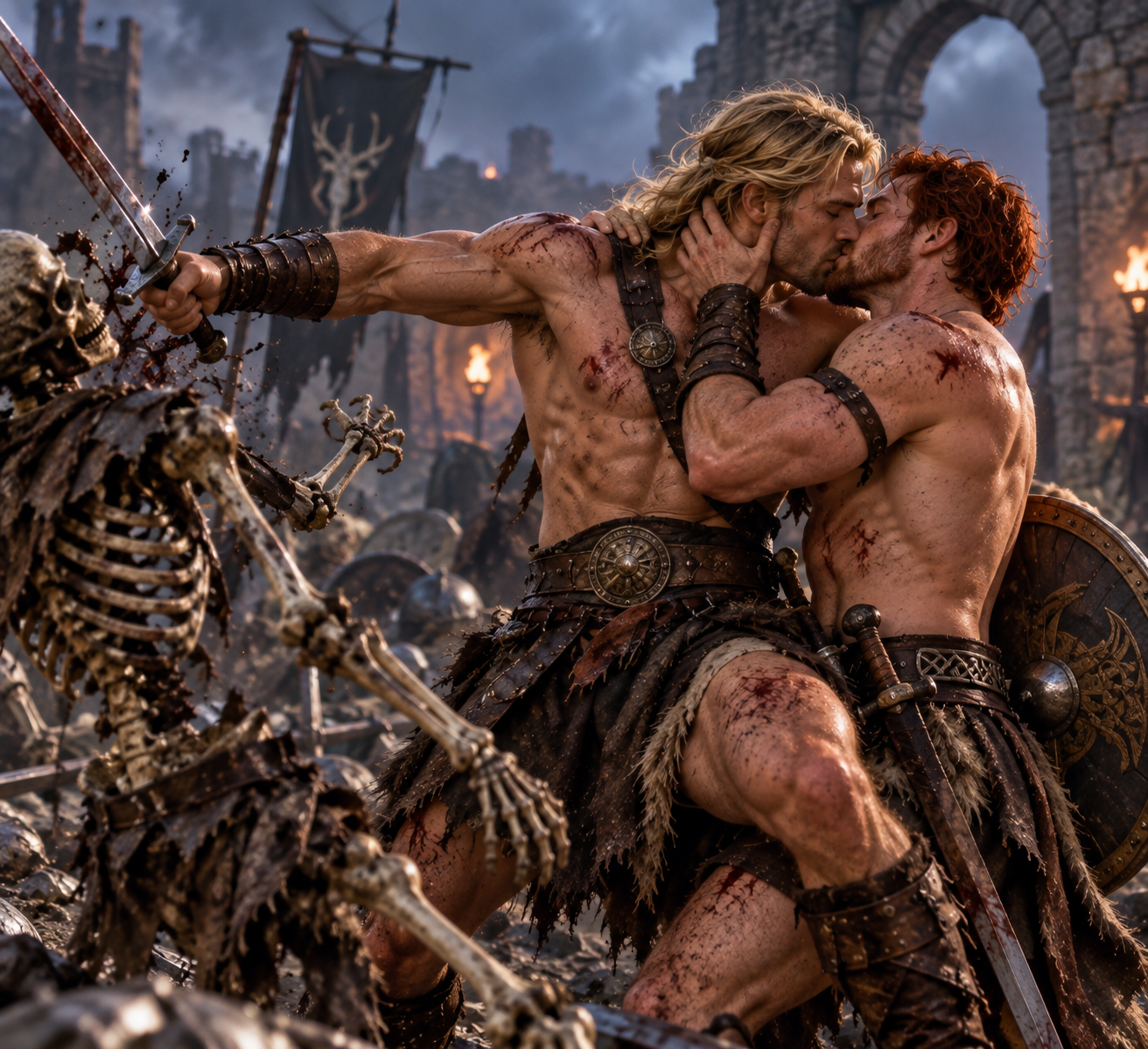
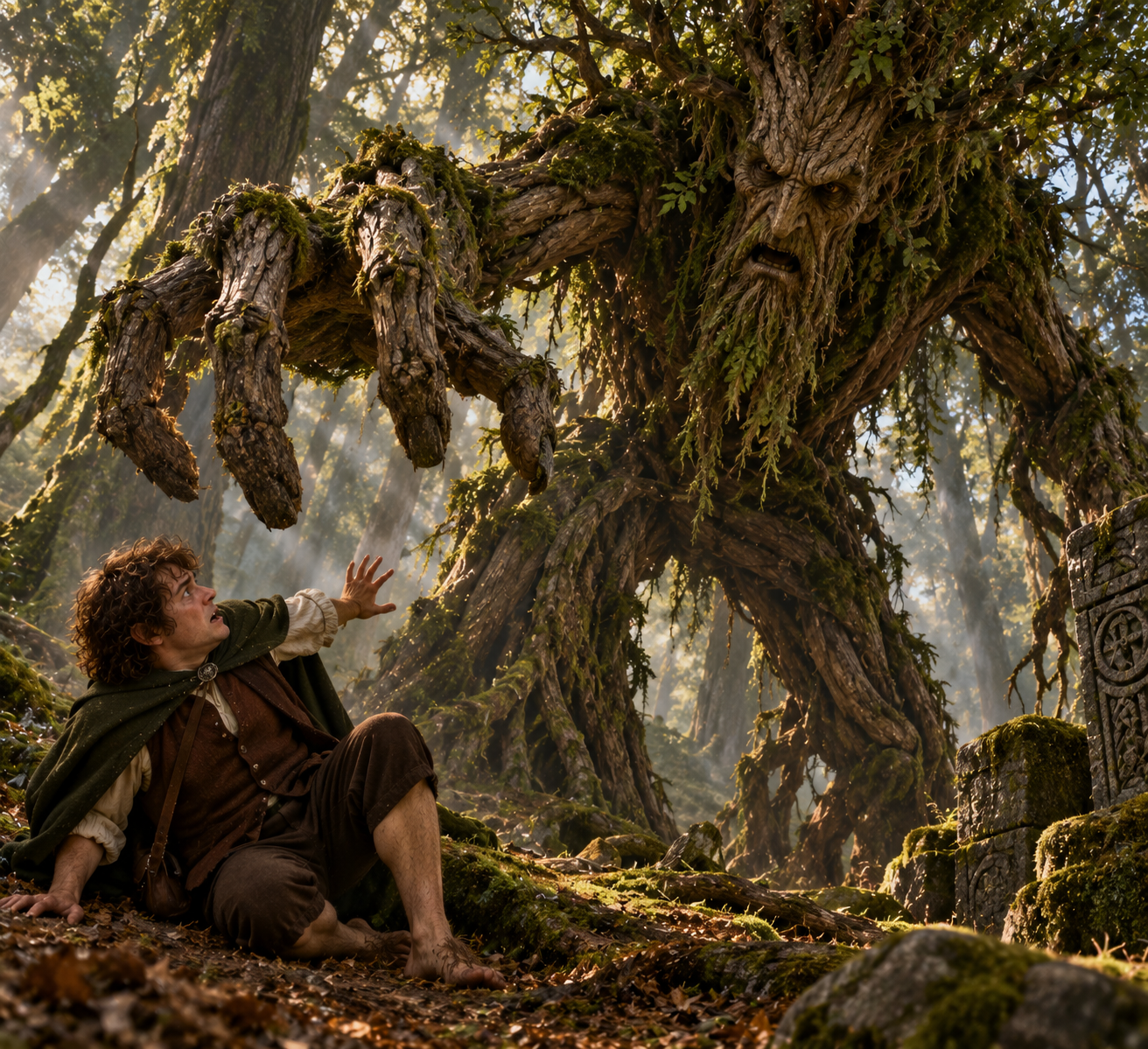
The images below are all AI-generated by me with ChatGPT, Grok, and Google Gemini on my iPhone. Enjoy!

The 31 Days of Halloween! Click on the day number you want! 01 | 02 | 03 | 04 | 05 | 06 | 07 | 08 | 09 | 10 | 11 | 12 | 13 | 14 | 15 | 16 | 17 | 18 | 19 | 20 | 21 | 22 | 23 | 24 | 25 | 26 | 27 | 28 | 29 | 30 | 31
George
|