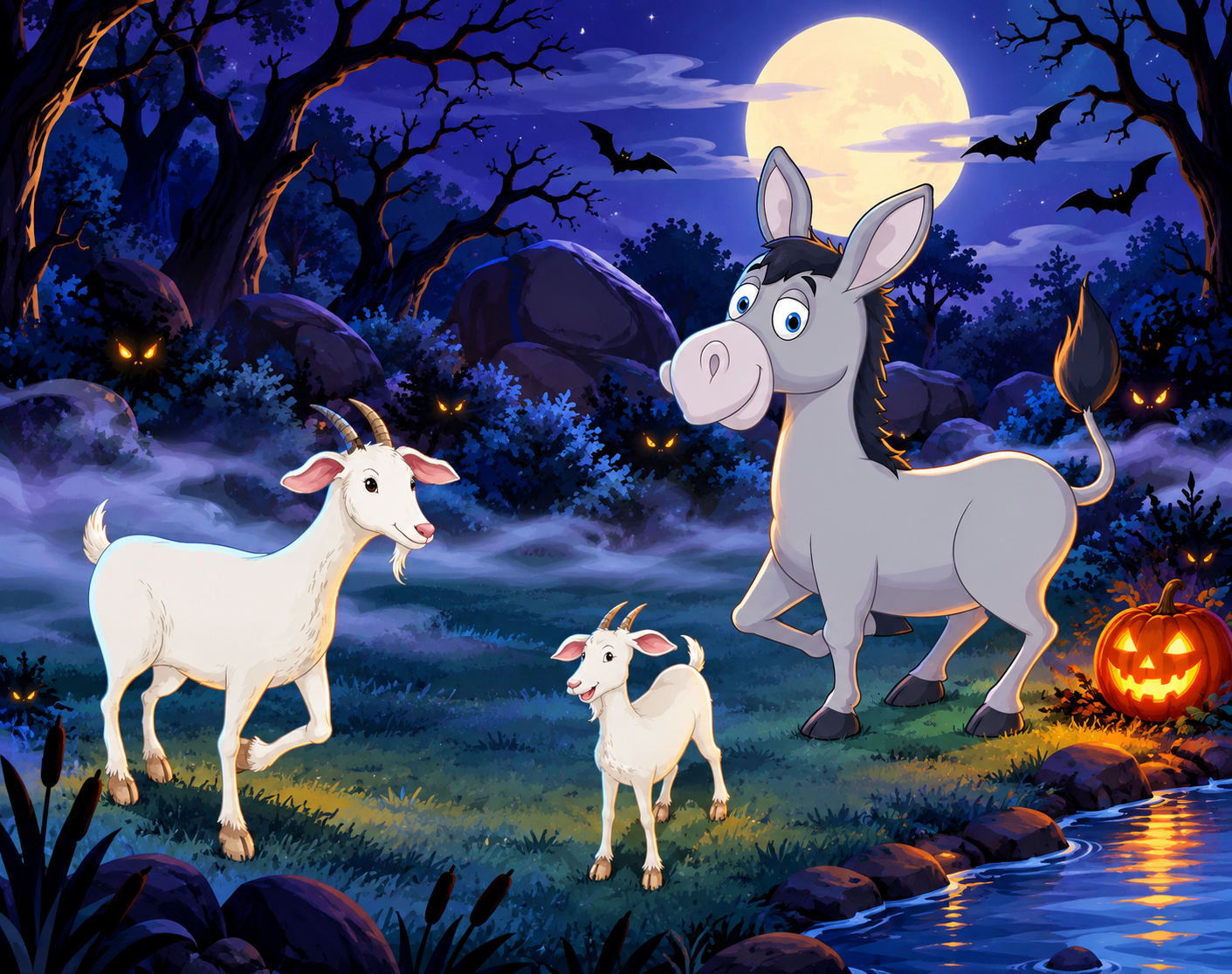
 Two Goats and a Donkey! Two Goats and a Donkey!
On The 12th Day of Halloween
Monday, October 12, 2026
And God created the twelth day of Halloween!
Origins of Monday
The English word Monday literally means “Moon’s Day,” a name that reflects an ancient European tradition of associating the days of the week with celestial bodies and deities. Although the modern English word itself comes from the Germanic branch of the Indo-European languages rather than directly from Gaelic, the concept behind Monday has close parallels in the Celtic world, where the moon played an important role in reckoning time.
Old English called Monday Mōnandæg, meaning “day of the moon.” Related forms occur throughout the Germanic languages, including Old Norse mánadagr. These names developed partly under the influence of the Roman seven-day week. The Romans called the second day dies Lunae, “day of Luna,” the Roman goddess and personification of the moon. Germanic peoples translated the idea rather than simply borrowing the Latin name, producing the ancestor of our modern “Monday.”
The Gaelic languages followed a different linguistic path. In modern Irish, Monday is Dé Luain, while Scottish Gaelic uses Diluain. The element Luain ultimately derives from Latin Luna, “moon.” Thus, although English Monday and Gaelic Dé Luain developed through different languages, both preserve essentially the same ancient idea: Monday is the day associated with the moon.
This connection is particularly interesting because Celtic peoples had long used the moon in measuring time. Classical writers, especially Julius Caesar, observed that the Gauls reckoned periods of time by nights rather than days. The famous Coligny Calendar, discovered in France and dating from the Roman period, provides further evidence of an elaborate Celtic calendrical system strongly connected with lunar cycles. Months were organized with careful attention to the moon, although the calendar also attempted to remain aligned with the solar year.
It is important, however, not to assume that the ancient Celts themselves universally called the day “Monday” before Roman influence. The seven-day planetary week became widespread in western Europe during the Roman period and afterward. Earlier Celtic societies probably organized time according to somewhat different calendrical traditions.
Nevertheless, Monday provides a fascinating example of cultural continuity. English Monday, Irish Dé Luain, and Scottish Gaelic Diluain all ultimately identify the day with the moon. Beneath an ordinary word used every week lies a linguistic reminder of an ancient world in which the movements of the heavens helped humanity measure the passage of time.
And thus we conclude this Monday, Day Twelve!
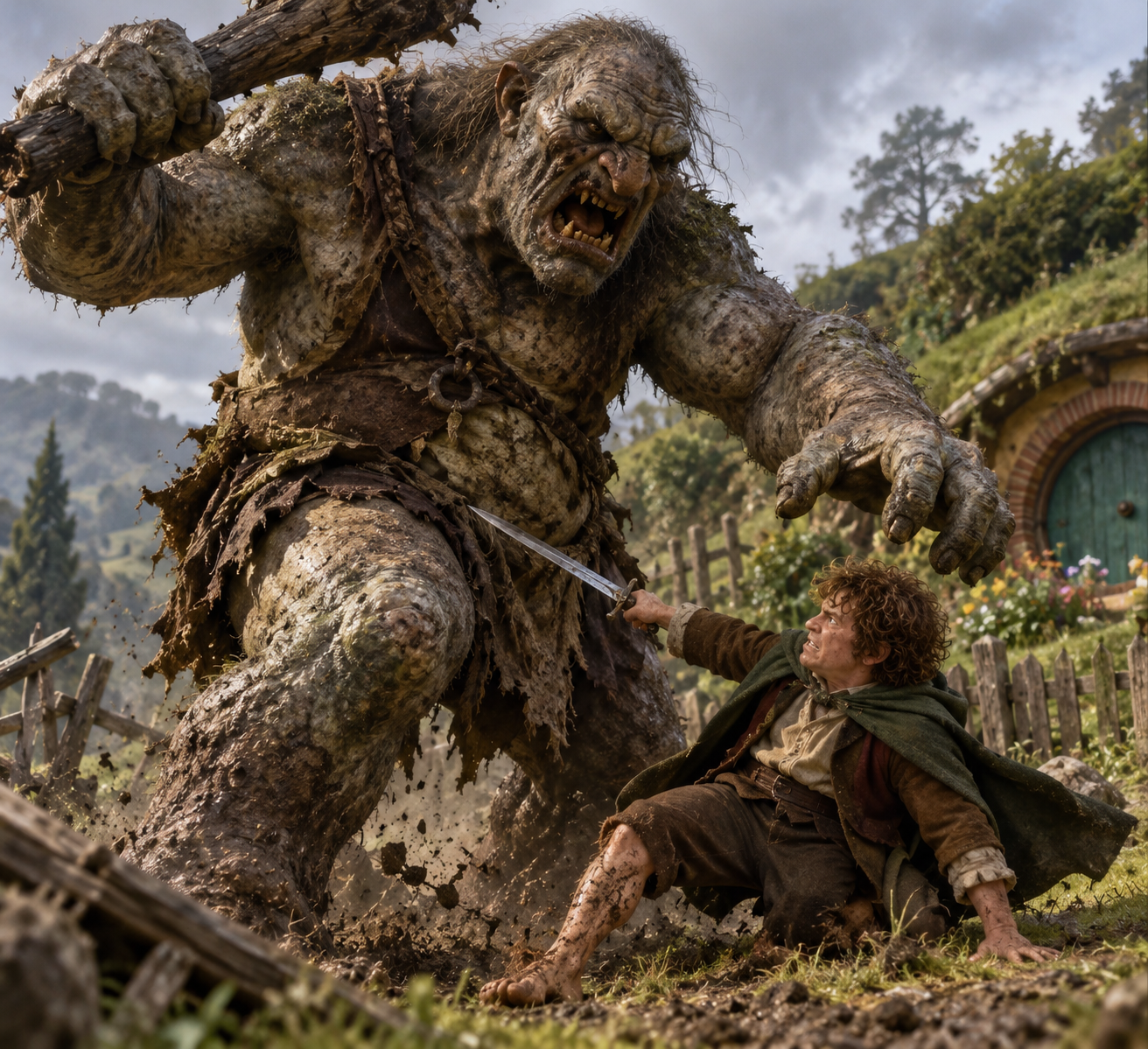
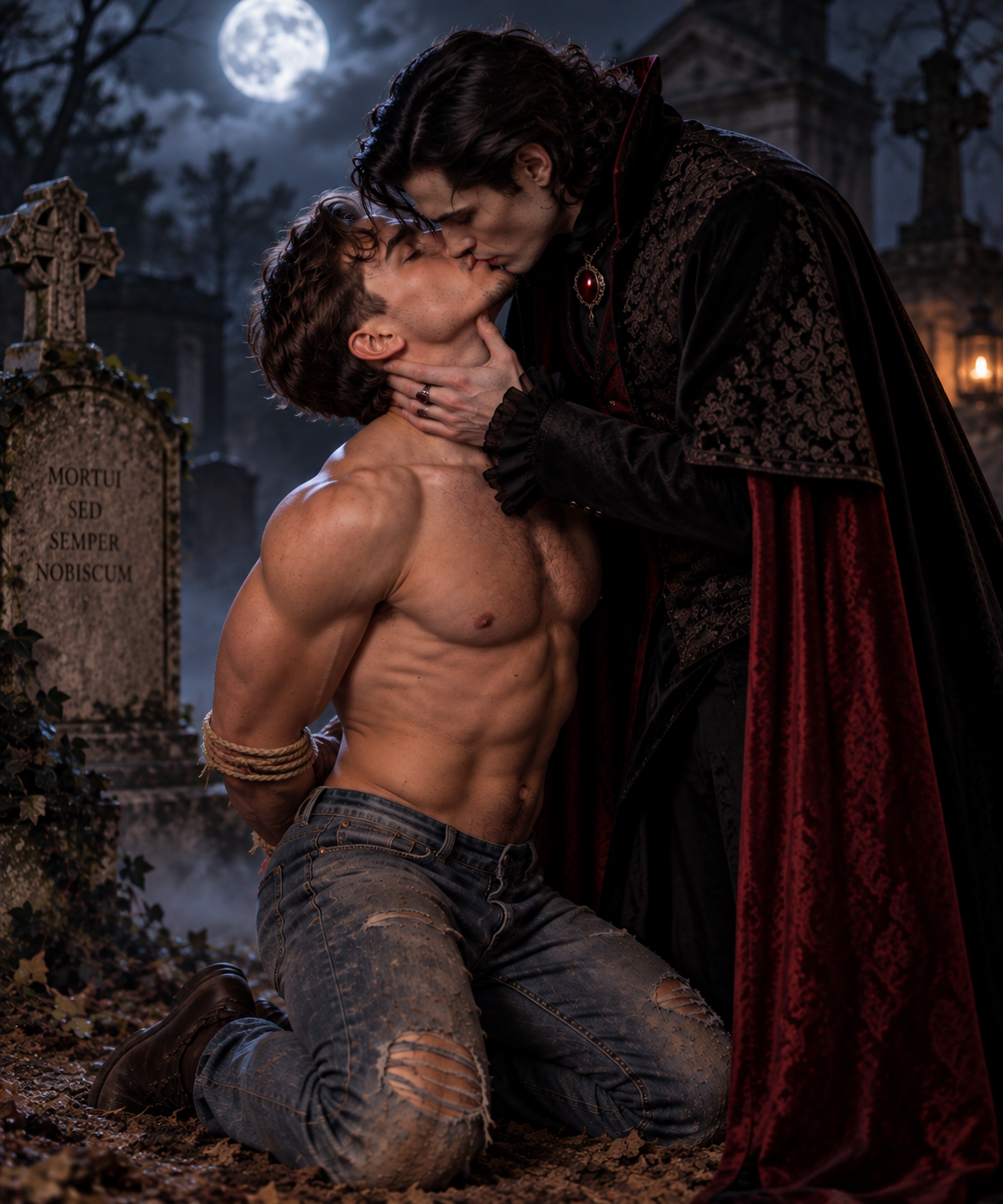
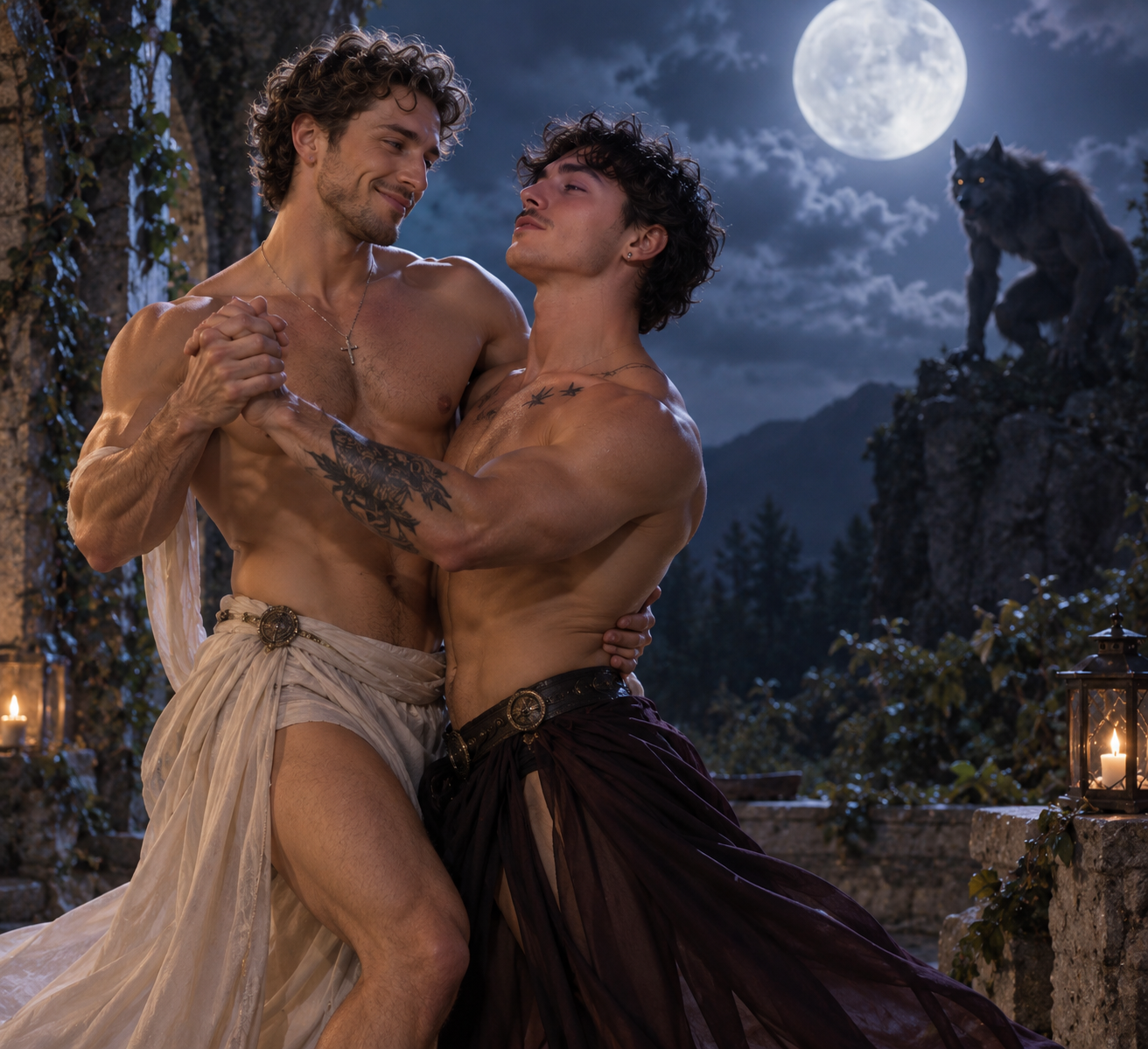
The images below are all AI-generated by me with ChatGPT, Grok, and Google Gemini on my iPhone. Enjoy!

The 31 Days of Halloween! Click on the day number you want! 01 | 02 | 03 | 04 | 05 | 06 | 07 | 08 | 09 | 10 | 11 | 12 | 13 | 14 | 15 | 16 | 17 | 18 | 19 | 20 | 21 | 22 | 23 | 24 | 25 | 26 | 27 | 28 | 29 | 30 | 31
George
|