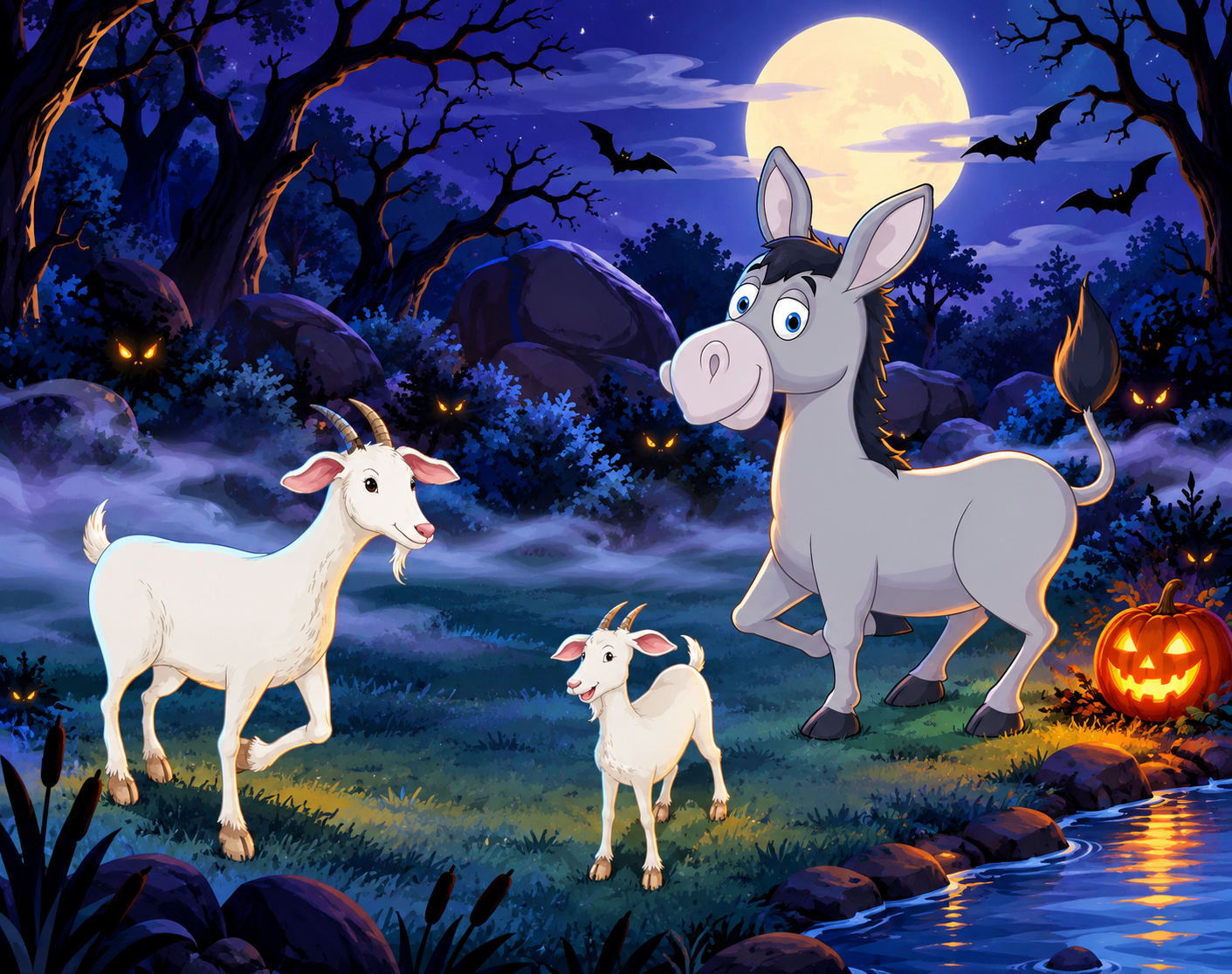
 Two Goats and a Donkey! Two Goats and a Donkey!
On The 13th Day of Halloween
Tuesday, October 13, 2026
Origins of Tuesday
The English word Tuesday preserves the memory of an ancient Germanic god, but its history becomes especially interesting when compared with the Gaelic names for the same day. Unlike Monday, whose English and Gaelic names both ultimately refer to the moon, Tuesday reveals how Roman, Germanic, and Celtic cultures developed different ways of naming the days of the week.
The English Tuesday comes from Old English Tīwesdæg, meaning “Tiw’s Day.” Tiw, or Týr in Old Norse tradition, was a Germanic god associated particularly with warfare, courage, law, and heroic conduct. His name was substituted for that of the Roman god Mars when Germanic peoples adopted the Roman seven-day planetary week. The Romans called Tuesday dies Martis, “day of Mars.” Because Tiw was regarded as sufficiently comparable to Mars, dies Martis became Tīwesdæg among the Anglo-Saxons and eventually modern Tuesday.
The Gaelic tradition followed the Roman terminology more directly. Modern Irish calls Tuesday Dé Máirt, while Scottish Gaelic uses Dimàirt. The word Máirt derives from the Latin name Martis, referring to Mars. Consequently, the Gaelic name can essentially be understood as “the day of Mars.”
This does not mean that the ancient Celts originally worshipped Mars under that name. Roman writers frequently identified Celtic gods with Roman deities whose powers seemed similar, a practice known as interpretatio Romana. Throughout Roman Gaul and Britain, inscriptions reveal numerous Celtic gods whose names were paired with that of Mars. Among them were deities such as Lenus Mars, associated with the Treveri, and Mars Camulus, whose worship was known in parts of Gaul and Britain. These gods possessed distinctly Celtic identities despite their Roman associations.
The Gaelic name for Tuesday therefore reflects centuries of cultural interaction rather than a purely pre-Christian Celtic naming system. The seven-day planetary week spread through Celtic-speaking lands under Roman and later Christian influence, becoming incorporated into the languages themselves.
Tuesday consequently contains several layers of European history. English remembers the Germanic Tiw, while Irish Dé Máirt and Scottish Gaelic Dimàirt preserve the Roman Mars. Behind the Gaelic forms lies the broader Celtic world, where native warrior gods were sometimes identified with Mars during the Roman era. An ordinary weekday thus preserves traces of Roman astronomy, Germanic mythology, Celtic religion, and the long interaction among the cultures of ancient Europe.
And the thirteenth day is done, so long Dé Máirt!
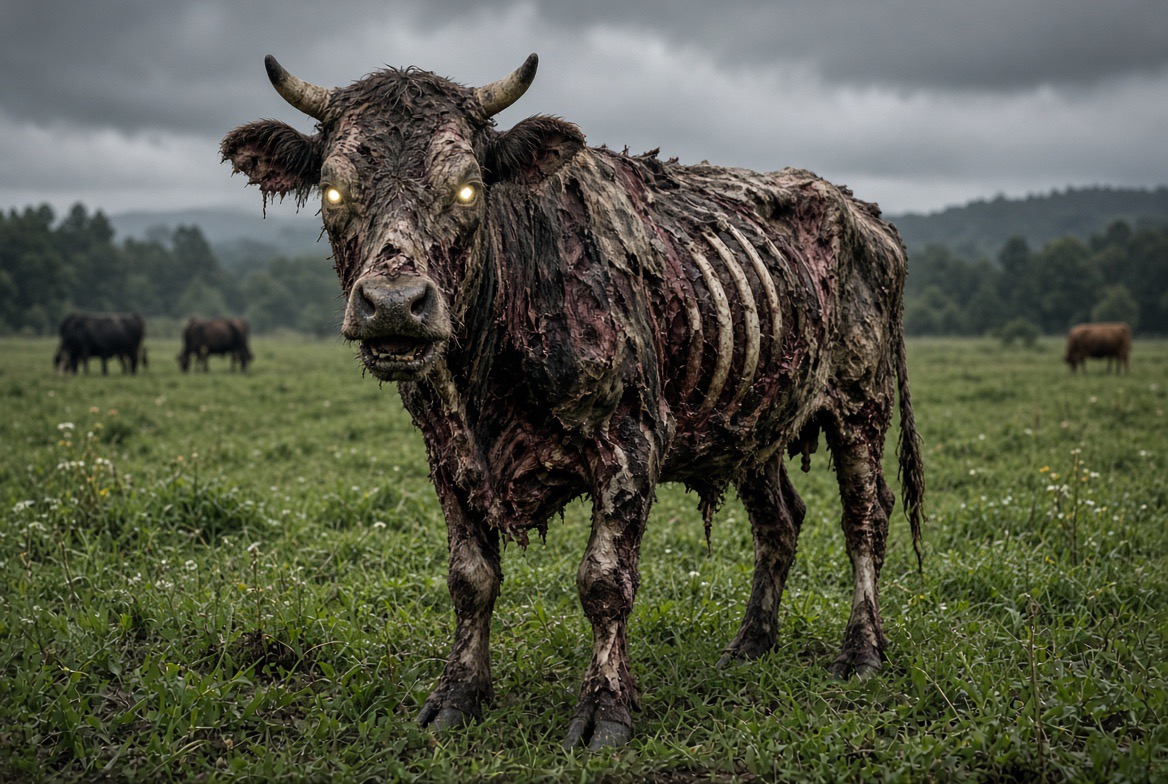
The images below are all AI-generated by me with ChatGPT, Grok, and Google Gemini on my iPhone. Enjoy!

The 31 Days of Halloween! Click on the day number you want! 01 | 02 | 03 | 04 | 05 | 06 | 07 | 08 | 09 | 10 | 11 | 12 | 13 | 14 | 15 | 16 | 17 | 18 | 19 | 20 | 21 | 22 | 23 | 24 | 25 | 26 | 27 | 28 | 29 | 30 | 31
George
|